The landscape of commercial cleaning was substantially different ten years ago, which followed a predictable routine.
A cart rolled down the hallway. Trash was emptied at 6 p.m. Floors were mopped, whether anyone walked on them or not. A checklist was signed. Job done.
It worked. But it wasn’t efficient.
What’s changing now isn’t dramatic. There’s no sci-fi takeover. No buildings run entirely by machines. What’s happening is more practical than that. Commercial Cleaning services Austin are starting to operate with better information.
Instead of asking, “What time is it?”
Facilities managers are asking, “What actually needs attention right now?”
That’s a meaningful shift.
Smart Cleaning Technologies for Offices – What’s Changing?
The biggest development isn’t robots replacing people. It’s visibility.
Building managers no longer have to rely on assumptions – they can see clear patterns in how spaces are actually used. They can track restroom traffic. They can monitor supply levels. They can see which areas sit empty and which ones never slow down.
That data changes how decisions get made.
Cleaning moves from routine-based to demand-based. And that alone improves efficiency more than most people expect.
AI-Driven Robotic Cleaners
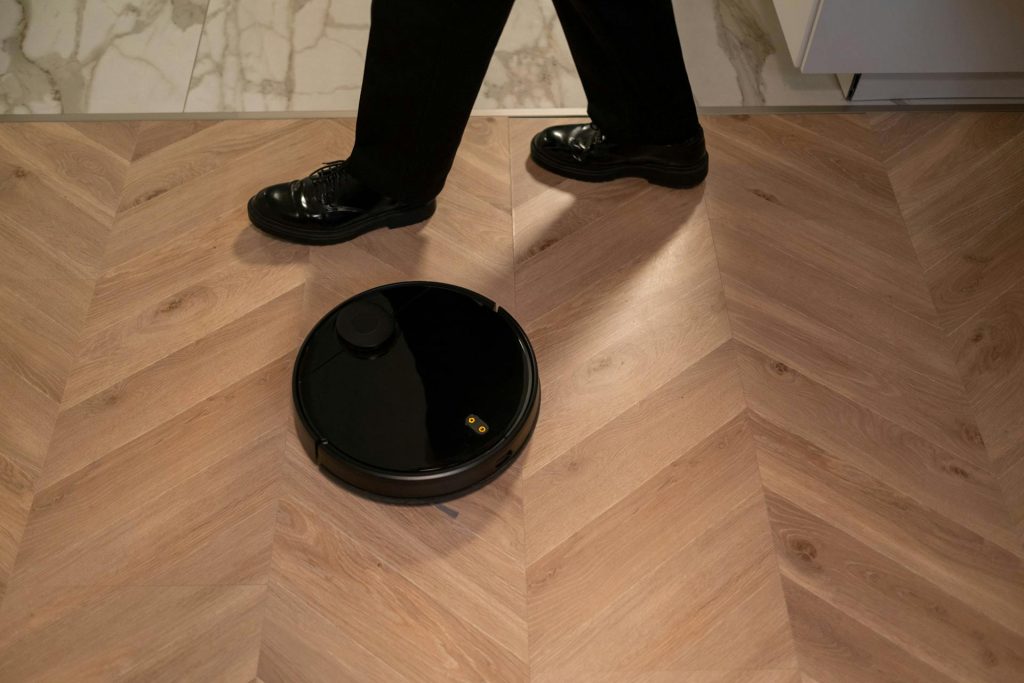
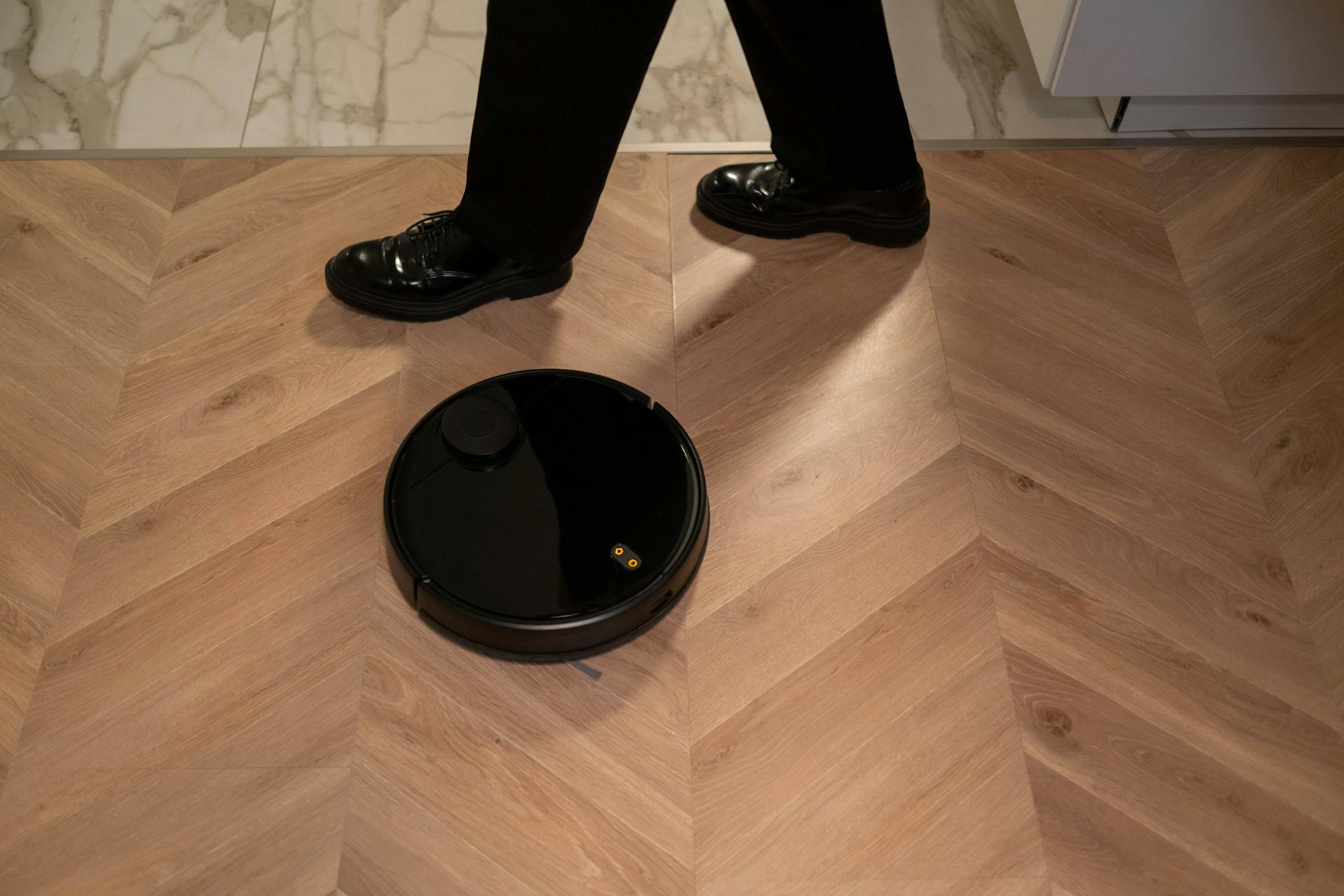
Robotic scrubbers and vacuums aren’t new anymore. If you’ve walked through a large airport or hospital recently, you’ve probably seen one.
They follow mapped routes. They detect obstacles. They return to charging stations on their own.
But here’s the key: they don’t eliminate staff.
What they do is handle repetitive floor care – the long, predictable stretches of hallway or lobby space. That means trained professionals are left free to address an in-depth level of
- Sanitation
- Inspections
- Problem spots.
So the best-performing companies use a combination of all three.
A robot handles the heavy square footage overnight. A human team handles judgment, sanitation checks, and high-touch surfaces during active hours.
It’s not about replacing people. It’s about using them where they’re most valuable.
AI-Powered Hygiene Monitoring Systems
The more interesting shift is happening quietly in restrooms and shared spaces.
Sensors track usage. If traffic increases, alerts are triggered. If paper products run low, the system flags it before complaints roll in. If a conference room runs back-to-back meetings all afternoon, cleaning can be scheduled accordingly.
That prevents two common problems:
- Over-cleaning spaces that barely get used
- Missing high-traffic areas that actually need attention
For commercial cleaning services, visibility reduces waste and improves accountability. Digital logs replace paper sign-offs. That matters, especially in environments where compliance standards are tight.
It’s not flashy technology. It’s operational clarity.
Touchless Cleaning & Sanitization Technologies
Hygiene has been redefined forever in recent years. Touchless dispensers, electrostatic sprayers, and UV light disinfection are becoming the norm in office cleaning services Austin. Those tools decrease the frequency with which people must touch surfaces, making it less likely that germs will spread.
Employees notice details like
- Sanitizer availability
- Surface cleanliness
- Air quality.
When people see visible sanitation measures in place, trust improves. That psychological factor is often underestimated. A clean office doesn’t just reduce risk. It reinforces professionalism.
Best AI Cleaning Systems for Workplaces – Which One to Choose?
Full automation is not necessary for every building.
A 5,000-square-foot office will not need the same type of infrastructure as a corporate campus that has thousands of occupants a day.
The right approach will usually depend on three considerations.
- Traffic volume
- Labor costs
- Compliance requirements
Comparing AI-Powered Cleaning Systems
The majority of options can be split into two types.
With completely autonomous systems, in particular, those environments that are large and structured
Partially automated systems are more reliant on human control, but use AI to enhance efficiency and monitoring
Ultimately, it will come down to practicality in choosing the right one.
- What problem are you trying to solve?
- Sustainability reporting?
- Labor costs?
- Compliance?
So, start with the problem. Then choose the tool.
Energy-Efficient AI Cleaning Solutions
Environmental pressure is no longer a marketing angle. Many companies are under pressure to reduce
- Water use
- Chemical waste
- Energy consumption.
Smart cleaning systems support that shift.
Machines regulate water flow automatically. Chemical dispensers control dilution precisely. Cleaning schedules adjust to occupancy rather than default timing.
Those small adjustments reduce waste significantly over time.
For organizations reporting on sustainability metrics, that data becomes valuable, not just internally, but publicly.
Integrating AI Cleaning with Facility Management Systems
Cleaning becomes even more effective when connected to broader facility systems.
When AI cleaning tools integrate with building management software, data flows between departments. Instead of running cleaning, HVAC, and maintenance as separate functions, many facilities are starting to connect them.
When occupancy levels rise in one area, that data can adjust airflow and trigger cleaning support at the same time. It’s a small operational change, but it reduces wasted energy and prevents teams from responding too late.
Maintenance alerts can sync across departments. Data moves instead of sitting in isolated systems. In larger commercial properties, that coordination saves time and reduces operational friction.
Instead of working in silos, systems work together.
Business Benefits of AI in Office Cleaning
The conversation usually comes back to results.
Reducing Operational Costs & Labor Dependency
Labor is one of the biggest expenses in commercial cleaning services.
AI doesn’t eliminate that cost, but it helps control it. Teams can be deployed where demand is highest instead of sticking to fixed, preset routes. Overtime drops. Resource waste declines.
Over time, that efficiency shows up in the numbers.
It’s not about replacing people. It’s about eliminating unnecessary effort.
Enhancing Workplace Health & Productivity
Cleaner environments support healthier employees. That’s straightforward.
When high-traffic areas are addressed quickly, and hygiene standards stay consistent, there’s less disruption. Fewer complaints. Fewer preventable issues.
A well-maintained office also affects morale. People notice when a space feels fresh and organized.
That consistency supports productivity more than most companies realize.
The Future of AI in Office Cleaning – What’s Next?
AI in office cleaning isn’t fully mature yet.
Systems will become more affordable. Integration will improve. Hardware will shrink. Data accuracy will get better.
Adoption will vary by region and budget. Traditional models will still exist where they make financial sense.
But the direction is clear.
Cleaning will continue moving away from fixed schedules and toward responsive systems.
That shift is already underway.
Final Perspective
Office cleaning used to sit quietly in the background. Now it influences safety, operational efficiency, sustainability goals, and brand perception.
Companies investing in smarter systems aren’t chasing trends. They’re correcting inefficiencies that have existed for years:
- Labor hours spent where they aren’t needed
- High-traffic areas are missed at peak usage
- Inconsistent documentation
If your team is still cleaning every room on a fixed timetable regardless of actual use, it may be worth reassessing the approach.
Data-driven cleaning isn’t about complexity. It’s about alignment, matching effort with reality.
And in 2026, that alignment will define the standard for modern commercial cleaning services.

Pallavi Singal is the Vice President of Content at ztudium, where she leads innovative content strategies and oversees the development of high-impact editorial initiatives. With a strong background in digital media and a passion for storytelling, Pallavi plays a pivotal role in scaling the content operations for ztudium’s platforms, including Businessabc, Citiesabc, and IntelligentHQ, Wisdomia.ai, MStores, and many others. Her expertise spans content creation, SEO, and digital marketing, driving engagement and growth across multiple channels. Pallavi’s work is characterised by a keen insight into emerging trends in business, technologies like AI, blockchain, metaverse and others, and society, making her a trusted voice in the industry.