Nike has long been a name synonymous with athletic achievement and forward-thinking design. But what’s really powering their latest advancements? It’s a deep dive into cutting-edge technology, especially artificial intelligence (AI) and new materials. This isn’t just about making shoes look cool; it’s about how Nike uses technology to help athletes perform better, create products more efficiently, and operate more responsibly. From designing custom gear with AI to making their supply chain smarter, Nike is showing how technology can shape the future of sports.
Key Takeaways
- Nike uses AI to design products that better fit athletes’ needs by analyzing movement data.
- AI helps Nike create new product designs much faster, speeding up how quickly new gear gets to market.
- The company uses AI to find and develop materials that perform well and are better for the environment.
- Nike employs AI to manage its stock and delivery routes, making its operations smoother and more efficient.
- AI tools are helping Nike reduce waste in its factories and track its environmental impact.
Revolutionizing Product Design With Artificial Intelligence
Nike is really changing how it makes its products, and a big part of that is using artificial intelligence. It’s not just about making things look cool; it’s about making them work better and be more sustainable. Think of it as having a super-smart assistant that helps designers make better decisions, faster.
Data-Informed Design For Enhanced Products
So, how does this work? Nike’s AI systems look at a ton of information. This includes what customers are saying, how athletes are performing with their gear, and even what’s trending on social media. All this data gives designers clues about what could be improved – maybe a shoe needs better cushioning, or perhaps a new fabric is becoming popular. This approach means new products are more likely to be what people actually want and need. It’s like having a direct line to consumer desires, helping to shape what comes next.
Accelerating Innovation Through Rapid Prototyping
Remember when making a new product meant creating lots of physical samples? That took ages and cost a lot. Now, AI can create virtual models of products. Designers can test different ideas, materials, and features in a computer simulation. This means they can try out many more options much quicker and cheaper than before. It really speeds up the whole process of bringing new ideas to life, getting innovative products into the hands of athletes sooner.
Optimizing Materials For Performance And Sustainability
Choosing the right materials is a big deal. AI can help Nike figure out which materials are not only good for performance but also better for the planet. These smart systems can look at a material’s properties, its environmental impact, and how much it costs. This helps Nike find a good balance, using things like recycled fabrics or lightweight, strong materials that reduce waste. It’s a smart way to build better products while also being more responsible.
AI-Powered Personalization And Consumer Experience
Crafting Custom Footwear With Intelligent Systems
Nike is using smart technology to make shopping feel more personal. Think about getting recommendations for new shoes that actually match what you like, not just random picks. AI looks at what you’ve browsed, what you’ve bought before, and even how active you are to suggest things you might really want. It’s like having a personal shopper who knows your style. This helps you find what you need faster and makes the whole process feel more relevant.
Tailoring Products To Individual Consumer Needs
It’s not just about suggesting products; Nike is also using AI to help create items that fit you better. Features like Nike Fit use your phone’s camera to measure your feet accurately. This means you’re more likely to get the right size the first time, whether you’re buying online or in-store. This reduces the hassle of returns and makes sure you get gear that performs as it should. The goal is to make sure every product feels like it was made just for you.
Creating Interactive And Customized Shopping Journeys
Nike’s apps and websites are becoming more interactive thanks to AI. You can use augmented reality to see how a new pair of sneakers might look on your feet without actually trying them on. AI-powered chatbots can also help answer your questions quickly, guiding you through the site or helping with orders. These tools make shopping more engaging and less of a chore. It’s about making the experience as dynamic and responsive as the athletes who wear Nike gear.
The focus is on making each customer feel seen and understood, moving away from one-size-fits-all approaches to a more individual connection.
Here’s how Nike is making shopping more personal:
- Smart Recommendations: AI analyzes your activity and past purchases to suggest items you’ll likely appreciate.
- Virtual Try-Ons: Use your phone to see how products look and fit before you buy.
- Personalized Support: AI chatbots provide quick answers and help with your shopping needs.
- Custom Sizing: Tools like Nike Fit help ensure you get the perfect fit every time.
Advancing Athletic Performance Through Biomechanical Insights
Capturing Biomechanical Data for Deeper Understanding
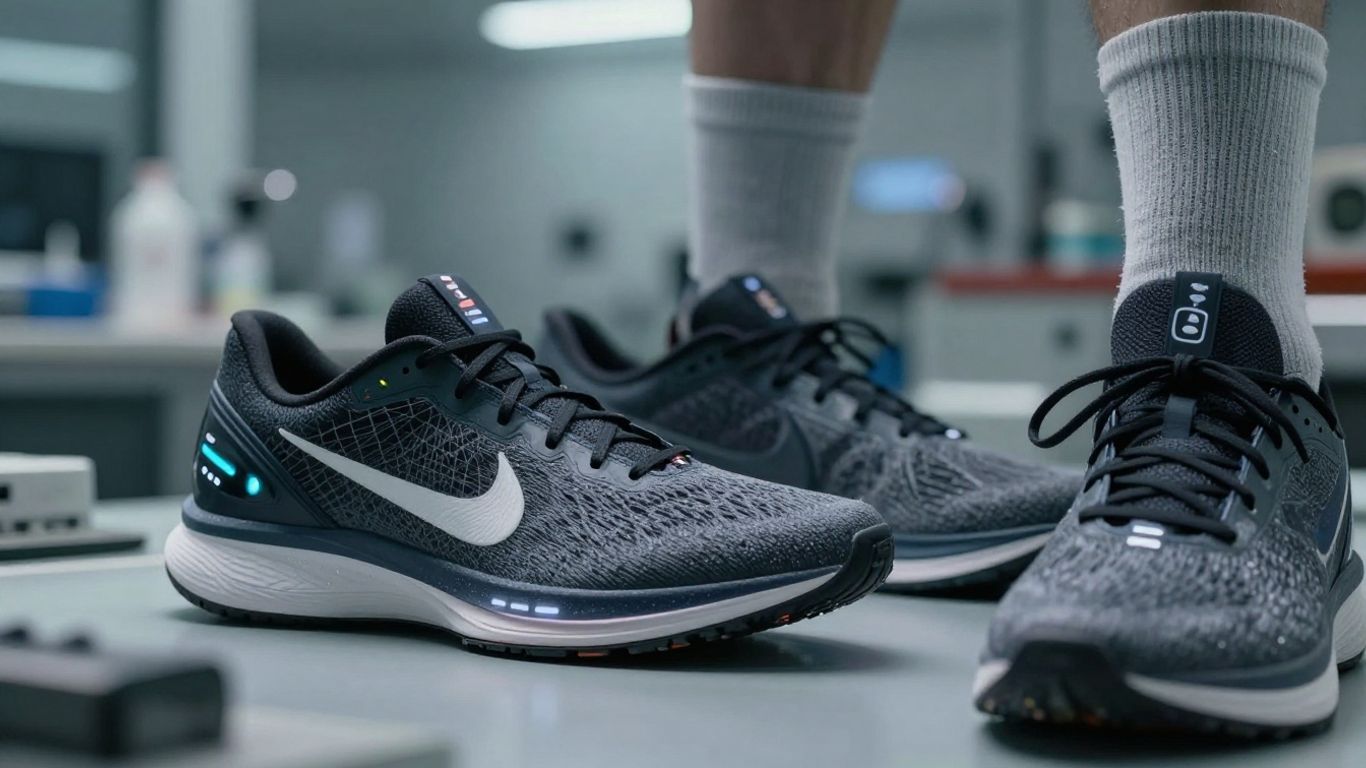
Understanding how athletes move is key to making gear that helps them perform better. Nike uses advanced technology to get a really close look at this. Think about it: every tiny shift in how someone runs, jumps, or cuts can make a difference. Traditional methods just couldn’t capture all that detail. Now, with sophisticated motion capture systems and sensors, Nike can record athletes in action, tracking everything from joint angles to how their feet hit the ground. This isn’t just about a few poses; it’s about seeing the whole picture, moment by moment, as an athlete pushes their limits.
- High-speed cameras record movements from multiple angles.
- Pressure plates measure the forces athletes exert.
- Wearable sensors track body position and movement dynamics.
This wealth of information gives designers a much clearer picture of what’s happening during actual athletic activity.
AI Design Optimization for Precision Performance
Once all that movement data is collected, AI steps in. It’s like having a super-smart assistant that can sift through mountains of information to find patterns we might miss. These AI models analyze the biomechanical data to figure out what design tweaks could lead to better performance. This could mean adjusting the cushioning in a shoe, changing the shape of a sole for better grip, or even modifying the structure of apparel for improved flexibility. The goal is to create products that work with an athlete’s natural movement, not against it. AI helps predict how different design choices will affect performance before a physical product is even made, speeding up the whole process.
AI helps translate complex movement data into practical design improvements, making athletic gear more effective.
Generative Design Modeling for Complex Structures
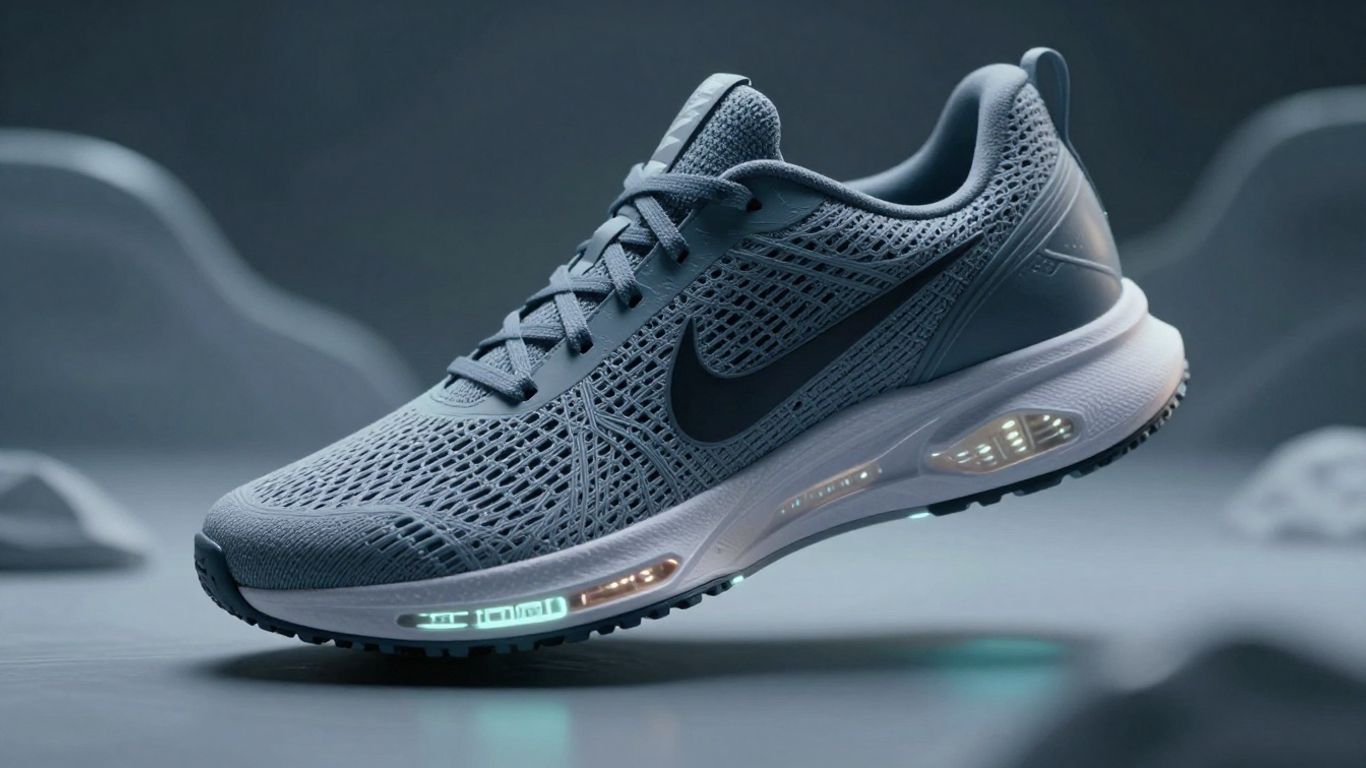
Sometimes, the best way to solve a design problem is to let a computer come up with solutions. That’s where generative design comes in. Using AI, Nike can create entirely new shapes and structures for athletic gear that would be incredibly difficult, if not impossible, to design by hand. These AI-powered tools can explore thousands of design possibilities based on specific performance goals, like reducing weight or increasing support in certain areas. This often results in intricate, lattice-like structures that are both strong and lightweight. These advanced designs are then often brought to life using technologies like 3D printing, allowing for rapid creation and testing of these innovative components.
Streamlining Operations With Intelligent Supply Chains
Nike’s global reach means a complex web of manufacturing, distribution, and delivery. Keeping everything running smoothly, from the factory floor to your doorstep, is a massive undertaking. This is where intelligent systems come into play, making the entire process more efficient and responsive.
Smarter Inventory Management Through Predictive Forecasting
Managing inventory is a constant balancing act. Too much stock ties up capital and risks becoming obsolete, while too little means missed sales and unhappy customers. Nike uses artificial intelligence to get ahead of this. By looking at past sales, current trends, and even things like weather patterns or major sporting events, AI can predict what products will be popular and where. This helps make sure the right items are in the right places at the right time.
- Predicting demand for new product launches.
- Adjusting stock levels based on seasonal changes.
- Identifying slow-moving items to prevent overstocking.
This predictive power means less waste and a better chance that customers can find what they’re looking for.
Efficient Product Delivery Via AI-Optimized Logistics
Once products are made, getting them to consumers quickly and affordably is key. AI helps optimize the routes and methods used for shipping. It can analyze traffic, weather, and delivery schedules in real-time to find the most efficient paths. This not only speeds up delivery but also helps reduce fuel consumption and costs.
Enhancing Agility And Responsiveness In Distribution
Sometimes, things don’t go as planned. A factory might face a delay, or a sudden surge in demand might occur in one region. AI systems can quickly identify these issues and suggest solutions. This might involve rerouting shipments, shifting inventory between distribution centers, or adjusting production schedules. This ability to adapt quickly is what keeps the supply chain moving, even when faced with unexpected challenges.
- Identifying potential disruptions before they cause major delays.
- Reallocating stock to meet unexpected demand spikes.
- Finding alternative transportation methods when primary routes are unavailable.
Driving Sustainability Through Technological Innovation
Nike is seriously looking at how technology can help the planet. It’s not just about making cool shoes; it’s about making them in a way that’s kinder to the environment. This means using smart tools to cut down on waste and pick better materials.
Reducing Waste In Production With AI Tools
Think about all the fabric that goes into making athletic gear. Traditionally, cutting patterns from large sheets of material can leave a lot of scraps. Nike is using artificial intelligence to figure out the most efficient way to cut these patterns. AI can analyze the shapes and sizes needed and then plan the cuts on the fabric roll to minimize leftover bits. This smart planning helps reduce the amount of material that ends up as waste. It’s like a super-efficient jigsaw puzzle solver, but for fabric.
Selecting Eco-Friendly Materials With AI Assistance
Choosing the right materials is a big deal for sustainability. Nike is employing AI to help sort through the many options available. AI can look at data about different materials – things like how they perform, how long they last, and, importantly, their environmental impact. This helps Nike find materials that are good for the planet, maybe made from recycled sources or with less water and energy to produce, without compromising on the quality and feel athletes expect. It’s about making smart choices that benefit both the wearer and the environment.
Tracking Carbon Emissions For Environmental Responsibility
Understanding a company’s environmental footprint is key to reducing it. Nike is using technology to keep a closer eye on its carbon emissions throughout its operations. This involves collecting data from various stages, from manufacturing to shipping. By having this detailed information, Nike can pinpoint where the biggest emissions are coming from and then develop targeted strategies to lower them. It’s a way to be more accountable and make real progress towards environmental goals.
The Future Of Sportswear: AI And Advanced Materials
Integrating AI For A Data-Driven Performance Brand
Nike is moving beyond just making athletic gear; they’re building a brand powered by data. This means every product, from shoes to shirts, is designed with athletes’ real movements and needs in mind. AI helps analyze vast amounts of information about how people run, jump, and play, leading to gear that truly works with the body, not against it. This shift is about creating performance tools, not just apparel. It’s a smarter way to approach sports equipment, making sure it helps athletes perform at their best.
Exploring New Frontiers In Athletic Augmentation
Imagine sportswear that actively helps you perform better. That’s the direction Nike is heading with AI and new materials. By capturing detailed biomechanical data – think how your foot strikes the ground or how your muscles work during a sprint – AI can help design products that offer specific support or even energy return. This isn’t just about comfort; it’s about giving athletes a measurable edge. Advanced materials are key here, allowing for lighter, stronger, and more responsive gear that can be shaped by AI into complex, efficient designs.
Setting New Standards In The Sportswear Industry
Nike’s work with AI and advanced materials is changing what we expect from athletic wear. They’re using AI to:
- Create highly personalized designs based on an individual athlete’s unique movement patterns.
- Speed up the design and testing process, bringing new innovations to market faster.
- Develop gear that is not only high-performing but also more sustainable, reducing waste and using eco-friendly materials.
This approach means that future sportswear will be more tailored, more effective, and more responsible. It’s a glimpse into a future where technology and athletic performance are deeply intertwined.
The integration of artificial intelligence and cutting-edge materials is transforming sportswear from simple clothing into sophisticated performance-enhancing equipment. This evolution is driven by a deep analysis of human movement and a commitment to personalized design.
This new era of sportswear is built on a foundation of detailed data and intelligent design. For example, AI can analyze motion capture data to pinpoint areas where a shoe’s sole could be optimized for better energy transfer during a run. Similarly, new composite materials can be engineered to provide targeted support exactly where an athlete needs it, all guided by AI’s analytical power. This isn’t science fiction; it’s the practical application of technology to help athletes achieve more.
Looking Ahead: Nike’s Continued Innovation
As we’ve seen, Nike isn’t just a sportswear company; it’s a technology innovator. By weaving artificial intelligence and advanced materials into everything from product design to how they manage their operations, Nike is really changing the game. They’re not just making gear that performs better, but they’re also finding smarter, more sustainable ways to do business. It’s clear that this focus on cutting-edge tech is going to keep Nike at the forefront, shaping what’s next in sports and beyond for years to come.
Frequently Asked Questions
How does Nike use AI to make its products better?
Nike uses AI in a few cool ways to improve its gear. It helps them understand what athletes need by looking at data from motion sensors and customer feedback. This helps designers create shoes and clothes that fit better and perform at a higher level. AI also helps them test new ideas really fast, like building virtual models before making anything real, which speeds up how quickly they can bring new products to you.
What is ‘data-informed design’ and how does Nike use it?
Data-informed design means Nike uses lots of information, like what customers say and how athletes perform, to make decisions about new products. Instead of just guessing, they look at real numbers and feedback. This helps them create gear that people actually want and need, making sure it’s comfortable, works well, and looks good.
How does AI help Nike make shoes that fit me perfectly?
Nike is exploring ways AI can help make shoes that feel like they were made just for you. By looking at information about how your feet move and what you like, AI can help suggest or even design parts of a shoe that would be best for your specific needs. This could lead to shoes that offer better support and comfort, tailored to your individual way of moving.
How is Nike using technology to be more environmentally friendly?
Nike is using AI to help reduce waste in how they make their products. AI can figure out the best way to cut fabric so less material is thrown away. It also helps them find and choose better materials that are good for the planet but still make great sports gear. Plus, they use AI to track how much pollution their operations create, so they can find ways to lower it.
What does Nike mean by ‘optimizing materials for performance and sustainability’?
This means Nike uses smart technology, like AI, to find the best materials for their products. They want materials that help athletes perform their best, like being lightweight or providing good support. At the same time, they want these materials to be good for the environment, perhaps made from recycled stuff or things that don’t harm the planet as much. AI helps them find the perfect balance between being a top performer and being eco-friendly.
How does AI make Nike’s delivery process faster and better?
Nike uses AI to manage its warehouses and delivery routes more smartly. AI can predict how many products will be needed in different places, so they have the right amount of stuff ready. It also helps figure out the quickest and most efficient ways to ship products from where they are made to the stores or to your home. This means you get your Nike gear faster and the company uses less fuel.