With such a busy and globalised modern marketplace, it’s no surprise that consumers are becoming more demanding of the companies they deal with. Businesses can no longer afford to be sluggish or depersonalised with their marketing strategies – quite the opposite, in fact. Speed is of the essence, as is timing and personalization, making sure that messages are received at the optimum time and with calculated precision. Customers respond better to companies that live up to their increasing expectations, so it’s vital for businesses that want to survive and thrive to capitalize on technological advancements in marketing techniques to maximize reach and, at the bottom line, turnover. Let’s take a closer look at why speed and timing are defining modern marketing performance, and how.

Information Overload
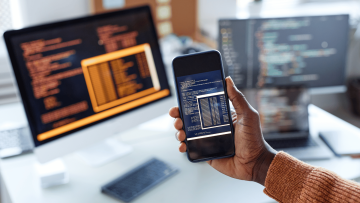
We carry our mobiles with us wherever we go, and whatever platform we’re using, from SMS to social media, we’re bombarded with marketing messages, sometimes out of the blue and sometimes from companies we’ve never heard of. It also means that the average amount of time a potential customer spends engaging with a marketing message is shrinking, many messages go straight into the trash without even being read. This makes a marketer’s life difficult — how can they rise above the noise and reach customers efficiently and effectively without being drowned out? Various techniques can be used, and emerging tech can help them to do so.
Why Speed and Timing are Crucial
Modern consumers are demanding, there’s no debate around that. They want fast responses, well-timed promotions, and increased personalisation. That last factor is particularly important in today’s marketing environment. Getting timely and prescient messages, often with the aid of specialized tools powered by a dedicated SMS marketing service, to established and potential customers has become essential to staying competitive. Whether it be follow-ups to purchases, timely promotions, or information about new products, we want it all, and we want it now. That makes certain marketing channels more effective than others. And used all in conjunction, marketers have a rich well to draw on to increase their reach and their profits.
SMS as a Viable Tool
A tried-and-tested channel for communication with customers is the humble text message. But although it was once limited to bulk messaging, now there are specific tools to help automate messages to make them increasingly personalized (there’s that word again) and relevant to customer behaviour. Timely follow-ups to purchases, for example, are a great way to increase returning customers, in a marketplace where customer loyalty is at a premium. These can come in the form of gifts or promotional offers related to recent purchases to maximise the potential of a company’s products or services. Delayed responses, poorly timed follow-ups, and slow communication loops reduce engagement, conversions, and overall campaign effectiveness for the customer.
Social Media — A Game Changer
Almost all of us are engaged with the phenomenon of social media. Whatever major platforms are available, such as Facebook, Instagram or TikTok, should be used by marketers, as accounts are cheap or free to set up, and provide an effective and hassle-free way to reach out to customers directly and speedily. Whether you’re promoting a new product or service or using it to answer customer queries, deal with complaints, or simply process feedback, social media has become a vital and ubiquitous tool in the marketing landscape. If your company is big enough and has the capacity for a dedicated social media manager, all the better. But even if your operation is small, it’s important not to overlook social media as a big part of your overall marketing strategy. It’s one of the most efficient ways to get your messages out there, especially considering we carry our mobiles everywhere we go.
The Customer Journey
We’ve mentioned before that customers have higher expectations when it comes to marketing and engagement. The customer journey, therefore, becomes all the more relevant when it comes to converting leads into sales. We have come to expect personalisation and relevance rather than bulk, one-size-fits-all messages, because frankly, they don’t work. Automation can help with this, whether used for SMS campaigns or email mailouts. It not only can help address a customer’s needs and wants effectively, but also reduces workload for a company, allowing employees to attend to more pressing matters that can’t be addressed via AI or other emerging tech solutions. Engagement is the name of the game here, and the customer journey should be smooth, with relevant messages, well-timed promotions and other perks (think discounts and even freebies), and thank you messages for one-time or repeat business.
Speed and timing are truly of the essence when it comes to attaining and retaining business from consumers. Luckily, marketers now have the tools to ensure that their marketing messages rise above the storm of other blanket mailouts and social media blather. Some of the tips above can make all the difference between converting a lead into a sale, or merely hitting a dead end.