In today’s world, knowing where things come from and how they got to you is a big deal. Companies are looking for ways to make their supply chains more open and honest. This is where blockchain technology comes in. It offers a new way to track products and information, promising a more secure and trustworthy future for how goods move around the globe. We’ll explore what blockchain brings to the table for supply chain transparency.
Key Takeaways
- Blockchain creates a shared, unchangeable record of all supply chain activities, making it easier to see where products have been.
- This technology helps spot problems like fake goods or issues with quality much faster because all the information is in one place.
- By making the journey of products clear, blockchain builds more trust with customers who want to know the origin and how things were made.
- Features like immutability and decentralization mean that the information on the blockchain is secure and hard to tamper with.
- Using smart contracts on the blockchain can automate agreements, cutting down on paperwork and potential disagreements between parties.
Understanding The Core Of Blockchain Supply Chain Transparency
What Blockchain Brings To Supply Chain Visibility
Think about a typical supply chain. It’s like a long, winding road with many stops and many people handling the goods along the way. Keeping track of everything that happens at each stop can be really tough. This is where supply chain transparency comes in. It’s all about making sure everyone involved, from the company making the product to the person buying it, can see what’s going on. Customers today want to know where their products come from, how they were made, and if they were produced ethically. Blockchain offers a new way to share this information openly and reliably. It helps build trust because people can see the journey of a product for themselves.
The Foundation: Decentralized and Immutable Ledgers
At its heart, blockchain is a digital record book, but it’s not like any ordinary one. Instead of one person or company holding the book, copies are shared among many computers. This is what we mean by ‘decentralized.’ When a new piece of information, like a product moving from one place to another, is added, it’s put into a ‘block.’ This block is then linked to the previous one, forming a ‘chain.’ What’s really neat is that once a block is added, it’s incredibly difficult to change or remove it – it’s ‘immutable.’ This makes the record very secure and trustworthy.
Enhancing Trust Through Shared Information
Because the ledger is shared and can’t be easily altered, everyone involved in the supply chain can look at the same information. This means fewer arguments about what happened and when. If there’s a problem, like a delay or a quality issue, it’s easier to pinpoint where it occurred. This shared view helps build confidence among all the partners in the chain. It also means that when a product reaches the consumer, they can have more faith in its story because the information has been verified by many parties along the way, not just one company’s word.
How Blockchain Revolutionizes Supply Chain Tracking
Think about the journey a product takes from its creation to your hands. It’s often a complex path with many stops and people involved. Traditional systems can make it hard to see exactly where something has been or what happened along the way. Blockchain changes this picture entirely.
Detailed Product Journey Recording
Blockchain technology allows for the creation of a digital record for every single step a product takes. Imagine a digital passport for your goods. This record includes details like where raw materials came from, who handled the product, when it was shipped, and where it arrived. This level of detail means you can trace a product’s entire history with confidence. This isn’t just about knowing where something is right now; it’s about having a complete, verifiable story of its existence. For businesses looking to scale operations across different markets, having this kind of detailed tracking is a big help in managing the fashion ecosystem.
Swift Issue Identification and Resolution
When something goes wrong in a supply chain – maybe a delay, a damaged item, or a quality concern – finding the exact cause can be like searching for a needle in a haystack. With blockchain, that haystack disappears. Because every transaction is recorded and visible to authorized parties, pinpointing the source of a problem becomes much faster. If a batch of goods has an issue, you can quickly see which stage of the process it occurred in, allowing for immediate action and preventing wider problems. This speed is a game-changer for reducing waste and improving efficiency.
Building Consumer Confidence with Verifiable Origins
Consumers today want to know more about the products they buy. They care about where things come from, how they were made, and if they are authentic. Blockchain provides a way to give them that information directly. By scanning a QR code, for example, a customer could access the product’s blockchain record, seeing its verified origin and journey. This transparency builds trust and loyalty. It means a company can stand behind its products with solid, undeniable proof of their authenticity and ethical sourcing. This is particularly important in industries where authenticity is paramount, like luxury goods or pharmaceuticals.
Key Blockchain Features Driving Transparency
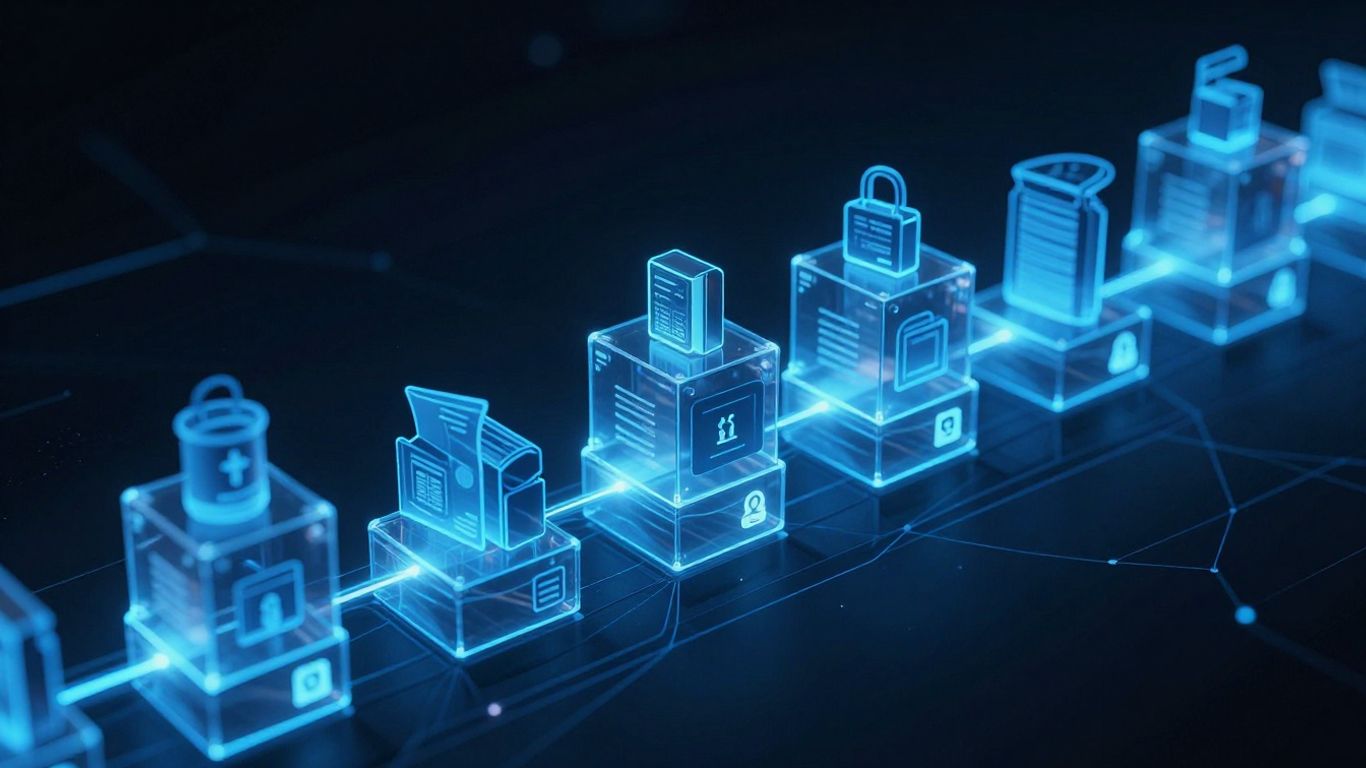
Blockchain technology brings a unique set of characteristics that significantly boost transparency within supply chains. These aren’t just buzzwords; they are the actual mechanisms that make a difference.
Immutability and Tamper-Resistance
This is perhaps the most talked-about feature. Once a piece of information is recorded on a blockchain, it’s incredibly difficult, if not impossible, to change or delete it. Think of it like writing in stone rather than on a whiteboard. This means that records of product movements, quality checks, or ownership transfers are permanent and can’t be secretly altered. This inherent resistance to tampering builds a foundation of trust because everyone knows the data hasn’t been messed with.
Decentralization for Resilience
Instead of relying on a single company or server to manage all the data, a blockchain distributes this information across many computers. This network effect means there’s no single point of failure. If one computer goes offline, the system keeps running. For a complex supply chain with many different companies involved, this distributed nature prevents any one entity from having too much control or being able to manipulate the system for their own benefit. It promotes a more equitable and reliable flow of information.
Distributed Ledgers for Real-Time Access
Every participant in the blockchain network gets a copy of the ledger, which is updated in real-time. This shared, synchronized view means everyone is working with the same, up-to-date information. No more waiting for reports or dealing with outdated spreadsheets. This immediate access allows for quicker decision-making and problem-solving across the entire supply chain. It’s like having a live map that everyone can see and trust.
Cryptographic Security Measures
Blockchain uses advanced cryptography to secure transactions and verify identities. Each transaction is linked to the previous one using complex mathematical algorithms, creating a secure chain. Digital signatures, generated using private and public keys, ensure that only authorized parties can add information and that the data’s origin is verifiable. This security layer protects sensitive supply chain data from unauthorized access and ensures the authenticity of every record.
The combination of these features creates a system where information is not only shared but is also verifiable, secure, and resistant to manipulation. This is a game-changer for industries that rely on trust and accuracy across multiple partners.
Addressing Current Supply Chain Transparency Challenges
Overcoming Data Silos and Inconsistencies
Getting a clear picture of what’s happening across a whole supply chain is tough. Think about it: you’ve got different companies, different software systems, and often, different ways of doing things. This creates what we call ‘data silos,’ where information gets stuck in one place and can’t easily be shared or combined with data from elsewhere. It’s like trying to put together a puzzle where all the pieces are in separate boxes. This makes it hard to see the full story, spot problems early, or even know where a product really came from.
Mitigating Risks of Inaccurate Information
Sometimes, the information we do have isn’t quite right. Data can be entered incorrectly, get outdated quickly, or even be deliberately altered. This isn’t just a minor annoyance; it can lead to serious issues. Imagine ordering parts based on incorrect inventory numbers, or a customer receiving a product with misleading origin information. These mistakes can cause delays, increase costs, and seriously damage trust between businesses and their customers. The integrity of the data is just as important as having the data itself.
Leveraging Blockchain for a Unified View
This is where blockchain starts to look really interesting. Instead of each participant keeping their own separate records, blockchain offers a shared, digital ledger. Everyone involved can see the same information, and once something is recorded, it’s extremely difficult to change or delete.
Here’s how it helps:
- Single Source of Truth: All parties work from the same set of verified data, reducing arguments about what’s accurate.
- Traceability: Every step a product takes, from raw material to final delivery, can be logged and tracked.
- Accountability: With clear records, it’s easier to see who did what and when, promoting responsibility.
The complexity of modern supply chains means that relying on outdated methods for tracking and verification is no longer a viable option for businesses aiming for reliability and customer trust. A unified, transparent system is becoming a necessity, not a luxury.
By connecting these disparate pieces of information onto a shared, secure platform, blockchain can help break down those data silos and provide a much clearer, more reliable view of the entire supply chain.
Real-World Applications of Blockchain in Supply Chains
It’s pretty amazing to see how blockchain is actually being used out there to make supply chains better. We’re not just talking theory anymore; there are some solid examples showing how this tech is making a real difference. Think about it – tracking goods from start to finish, making sure what you buy is the real deal, and even knowing exactly where your food came from. It’s all happening.
Streamlining Global Logistics
Logistics can be a tangled mess, right? Blockchain helps untangle it by making things clear and easy to follow. It gives everyone involved a shared view of where a product is at any given moment. This means if something goes wrong, like a delay or damage, it’s spotted much faster. This quick insight helps fix problems before they snowball. Imagine a platform like TradeLens, which, though no longer active, showed how a blockchain system could connect shippers, ports, and customs to speed up how goods move around the world. It’s about making the whole process smoother and quicker.
Combating Counterfeit Products
Fake goods are a huge headache, especially for things like medicines, electronics, and fancy bags. Blockchain offers a way to fight this. By creating a record that can’t be changed, it’s possible to track a product’s entire life. This makes it much harder for fakes to sneak in. If a product has a unique digital identity on the blockchain, you can check its history and be sure it’s authentic. This builds a lot of trust, both for businesses and for us as consumers.
Ensuring Food Safety and Provenance
Knowing where your food comes from is becoming more important. Blockchain platforms, like IBM’s Food Trust, are making this possible. They create a digital trail for food items, from the farm all the way to your plate. This means if there’s a contamination issue, it can be traced back to the source very quickly. This not only helps prevent widespread illness but also lets you see the journey your food took, giving you peace of mind about its safety and origin.
The ability to track items precisely and transparently across complex networks is a game-changer. It moves us away from guesswork and towards verifiable facts, which is a big step forward for any industry dealing with physical goods.
Here are some of the ways blockchain is making this happen:
- Detailed Product Journey Recording: Every step, from raw materials to the final sale, is logged. This includes who handled it, when, and where.
- Swift Issue Identification and Resolution: When a problem arises, like a quality issue or a recall, the blockchain record helps pinpoint the exact stage and cause quickly.
- Building Consumer Confidence with Verifiable Origins: Consumers can often scan a product or check its digital record to confirm its authenticity and history, leading to greater trust.
Smart Contracts: Automating Trust in Transactions
Self-Executing Agreements for Efficiency
Think of smart contracts as digital agreements that live on the blockchain. They’re written in code, and their terms are automatically carried out when specific, pre-defined conditions are met. This means that once a contract is set up, it can manage itself without needing a person to oversee every step. For instance, imagine a shipment of goods. A smart contract could be programmed to automatically release payment to the supplier the moment the tracking data confirms the goods have arrived at their destination. This removes the need for manual invoice processing and payment approvals, speeding things up considerably.
Reducing Intermediaries and Disputes
Because smart contracts execute automatically based on verifiable data on the blockchain, they significantly cut down the need for middlemen. In traditional supply chains, you might have multiple parties involved just to verify and process payments or confirm deliveries. Each intermediary adds time, cost, and a potential point of failure or disagreement. Smart contracts streamline this by acting as a trusted, automated enforcer of the agreement. This reduction in human intervention and the clear, coded logic of the contract itself help minimize misunderstandings and disputes that can bog down business operations.
Transparent and Enforceable Terms
One of the most powerful aspects of smart contracts is their transparency and inherent enforceability. Since the contract’s code is visible on the blockchain (though the specific details can be managed for privacy), all parties involved can see exactly what the terms are and how they will be executed. Once deployed, these terms are incredibly difficult to alter without the agreement of all parties involved, thanks to the blockchain’s immutable nature. This creates a high level of trust because everyone knows the rules are set and will be followed precisely as written. It’s like having a digital notary and enforcer rolled into one, working tirelessly behind the scenes to keep the supply chain moving smoothly and honestly.
The beauty of smart contracts lies in their ability to translate complex legal agreements into automated, verifiable actions on a blockchain. This not only speeds up processes but also builds a more reliable foundation for transactions between parties who may not have a long-standing relationship.
Here’s a look at how smart contracts can impact different stages:
- Automated Payments: Triggering payments upon verified delivery or quality checks.
- Inventory Management: Automatically updating stock levels or reordering when thresholds are met.
- Compliance Checks: Verifying that goods meet specific regulatory standards before proceeding to the next stage.
- Dispute Resolution: Pre-defined rules can automatically handle minor disputes based on data inputs.
Preparing For A Future With Enhanced Transparency
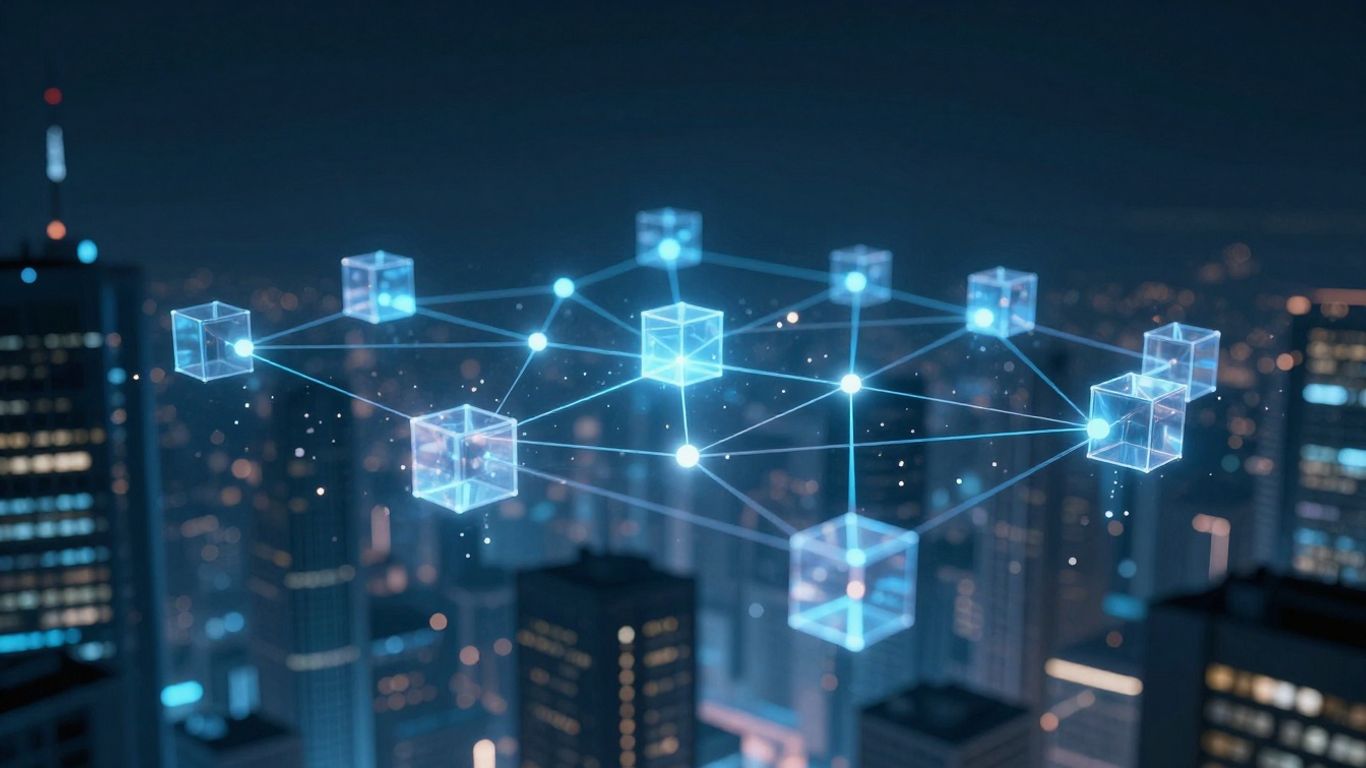
As we look ahead, making supply chains more open and clear isn’t just a good idea; it’s becoming a necessity. The technology we’ve discussed, especially blockchain, offers powerful ways to achieve this. But getting there requires careful thought and planning. It’s about more than just adopting new software; it’s a shift in how we manage information and work together.
Key Considerations for Blockchain Adoption
Thinking about bringing blockchain into your supply chain? It’s a big step, and there are a few things to keep in mind. You’ll want to figure out what specific problems you’re trying to solve. Is it tracking where products come from? Making sure payments are secure? Or maybe reducing the chance of fake goods getting into the system? Knowing your goals will help you choose the right approach.
- Define Clear Objectives: What specific transparency issues are you aiming to fix?
- Assess Technical Readiness: Do you have the internal skills or external partners to manage blockchain technology?
- Understand Regulatory Landscape: Are there specific industry or government rules you need to comply with?
- Evaluate Cost vs. Benefit: What are the upfront and ongoing costs, and what are the expected returns?
Best Practices for Implementation
When you’re ready to put blockchain into action, doing it right makes all the difference. Starting small with a pilot project can help you learn and adjust before a full rollout. It’s also important to make sure the data going into the blockchain is accurate from the start. Garbage in, garbage out, as they say.
- Start with a Pilot Program: Test the technology on a smaller scale before a full deployment.
- Ensure Data Integrity: Implement checks to verify the accuracy of information before it’s added to the ledger.
- Focus on Interoperability: Make sure your blockchain solution can connect with existing systems.
- Provide Training: Equip your team with the knowledge to use and manage the new system effectively.
The Importance of Collaboration and Adaptation
No single company can build a fully transparent supply chain alone. It takes everyone involved – suppliers, manufacturers, distributors, and even customers – working together. Sharing information, even when it’s a bit uncomfortable at first, is key. The future of supply chains depends on this shared visibility and willingness to adapt.
Building a transparent future means embracing change. It requires a commitment to open communication and a willingness to rethink old ways of doing business. The journey might have its bumps, but the rewards in terms of trust, efficiency, and security are substantial.
Adapting to new technologies and ways of working is also vital. What works today might need to change tomorrow as new challenges and opportunities arise. Staying flexible and open to learning will be the hallmark of successful supply chains in the years to come.
Looking Ahead: A More Open Supply Chain
So, we’ve talked a lot about how blockchain can really change things for supply chains. It’s not just about fancy tech; it’s about making things clearer for everyone involved, from the people who grow the raw materials all the way to the folks buying the finished product. By using this shared, unchangeable record, we can cut down on fakes, figure out problems faster, and build more trust. It’s a big step towards a future where supply chains are more honest and reliable, which is good for businesses and for us as consumers too. It’s definitely worth keeping an eye on how this technology keeps growing and changing the way goods move around the world.
Frequently Asked Questions
What exactly is blockchain when we talk about supply chains?
Think of blockchain as a digital notebook that many people share. Every time something happens with a product, like it’s made or shipped, a note is added to the notebook. This notebook is special because once a note is written, it can’t be erased or changed, and everyone who shares the notebook sees the same notes at the same time. This makes it a very trustworthy way to keep track of things.
How does blockchain make supply chains more open and honest?
Blockchain helps by creating a clear, step-by-step record of a product’s entire journey. From where the materials came from to when it arrived at the store, every detail is recorded. Since this record can’t be faked or changed, everyone involved can see exactly what happened, making it harder for bad things like fake products or shady dealings to happen.
Can blockchain help if there’s a problem with a product?
Yes, it can! If there’s a problem, like a bad ingredient in food, blockchain can help find exactly where and when that problem started very quickly. This means companies can fix the issue faster and tell people what’s going on, which is much better than trying to figure it out later.
Why is it hard to see what’s happening in supply chains right now?
Often, different companies in a supply chain use their own separate record-keeping systems. This makes it hard for information to flow smoothly between them, like trying to connect puzzle pieces from different boxes. Sometimes, the information isn’t even correct or up-to-date, making it difficult to truly know what’s going on.
What are ‘smart contracts’ in blockchain for supply chains?
Smart contracts are like automatic agreements written in computer code. They can automatically do things when certain conditions are met. For example, a smart contract could automatically pay a supplier once the delivery is confirmed on the blockchain. This makes deals happen faster and with fewer arguments because the rules are clear and followed automatically.
What should a company think about before using blockchain for its supply chain?
Before jumping into blockchain, companies should consider a few things. They need to think about how all the different companies in their supply chain will work together. It’s also wise to start with a small test project to see how it works in real life. Making sure important information stays private and secure is also very important, along with following any rules or laws that apply.