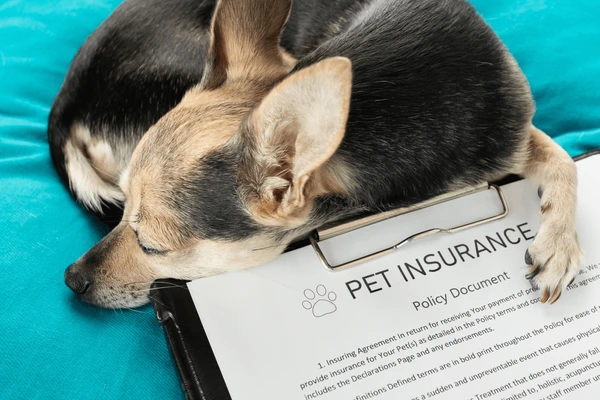
Owners who purchase companion animal insurance assume that medical costs for their pets will be covered automatically.
Then, they discover that coverage companies and policy issuers operate by state insurance law, and because pets are legally considered property, the obligations of the company managing the policy and your rights as a policyholder differ markedly from human health insurance.
For instance, some states require clear disclosure about waiting periods and pre-existing conditions, and in those states the insurer may bear the burden of proving that a condition was pre-existing; in other states the statutory protections are less explicit, and insurers may rely on contract language to justify claim denials.
A lack of clarity about this can leave you with unexpected out-of-pocket expenses and frustrated with bad claim outcomes. Legal guidance helps you interpret the nuances of your policy and actually prepare for potential disputes before they escalate to insurance litigation, so let’s dive right in.
Understanding Insurance Litigation in the Context of Pet Insurance
Insurance litigation is taking legal action when a dispute emerges over interpretation of an insurance contract, over a denial of a claim, or over compliance with regulatory requirements.
People filing claims under their pet insurance policies may not anticipate that the insurer will scrutinize and interpret medical records, and when that happens you are faced with a decision about whether to accept the interpretation, to escalate through internal appeal processes, or to pursue legal remedies through litigation. They frequently focus on:
- Interpretation of policy language about treatments, diagnoses, or conditions that the insurer claims are excluded
- Denial of claims based on alleged pre-existing conditions or unmet waiting periods that you dispute
- Arguments about whether the insurer complied with state regulatory requirements when issuing the policy and when handling claims
- Good faith obligations that may require the insurer to handle claims fairly and transparently under state insurance law
Understanding this positions you to respond in a structured, informed way if you believe your rights under the policy have not been respected.
Legal Frameworks and Pet Insurance Regulation
When you consider how pet insurance is regulated, it is important to know that companion animal insurance must be offered and sold by companies licensed under state insurance laws.
For example, in Maine the pet insurance law requires the insurer to demonstrate that a condition is pre-existing before denying a claim, and it limits waiting periods for certain types of coverage.
- Licensing requirements that obligate a company to be authorized to offer pet health insurance in your state.
- Statutory disclosures about coverage limits, waiting periods, pre-existing conditions, and exclusions that must be provided in policy documents.
- Regulatory mandates that shape how claims should be processed and how insurers must communicate with policyholders.
- Interpretive frameworks that courts use when reviewing disputes over coverage terms under state insurance law.
Licensing rules determine which companies can legally sell coverage, statutory disclosure requirements shape how clearly your benefits and limits must be explained, and regulatory mandates influence how claims are reviewed and communicated.
Strategies for Managing and Avoiding Insurance Litigation in Pet Care Insurance
- A careful, early review of your companion animal insurance policy, paying close attention to waiting periods, exclusions, benefit caps, and how key medical terms are defined, along with consistent record-keeping about coverage start dates, veterinary visits, diagnoses, and every exchange with the coverage company
- Understand your state’s insurance rules; disclosure duties, limits on waiting periods, and consumer protection standards often shape what a policy issuer can and cannot do when evaluating a claim
- Written documentation of every step in the claims process, including follow-up emails, notes from phone calls, copies of submitted invoices, and complete medical records, creating a clear timeline that reduces confusion and supports your position if disagreements grow
- Early legal guidance in higher-value or complex disputes, especially when contract language is unclear or when the company managing the policy relies on broad interpretations that may conflict with regulatory standards
With regulatory knowledge, organized documentation, and timely professional advice, you have a stronger position to reduce the likelihood that a routine claim problem turns into formal insurance litigation.
Final Thoughts
When you know your rights, you document your interactions, and you anticipate common areas of dispute, you can avoid unnecessary conflict, hold a company managing the policy to its statutory duties, and approach disagreements with a clear strategy for resolution.
Expand your understanding of pet care insurance law and regulatory developments so you are prepared for the challenges of securing appropriate coverage for your companion animal.
Frequently Asked Questions (FAQs)
- What does insurance litigation mean when it comes to pet care insurance?
Insurance litigation refers to taking legal action when a dispute over coverage interpretation, claim denial, or regulatory compliance requires formal resolution.
- Can a company managing the policy deny a pet insurance claim because of a pre-existing condition?
Yes, many insurers assert pre-existing condition exclusions, but in certain states the policy issuer must prove the condition existed before coverage started.
- Do all states require clear disclosures from pet insurance companies?
Most states regulate pet insurance and require clear disclosure about terms, limits, waiting periods, and exclusions, but the specific requirements vary.
- How can I reduce the chance that a coverage dispute becomes insurance litigation?
Keep complete documentation, understand your policy and state requirements, communicate clearly with the insurer, and seek legal insight early if disputes grow complex.
- Is pet care insurance treated the same as human health insurance under the law?
No, pet insurance is typically treated like property/casualty insurance under state law, affecting how disputes and claims are interpreted and resolved.