For the past few years, AI music tools followed a familiar path. First came the helpers: mastering, stem separation, cleanup, the unglamorous work no one brags about but everyone relies on. Then came the generators: beats on demand, infinite loops, vocal samples that sound impressive for about five seconds before turning stiff and synthetic.
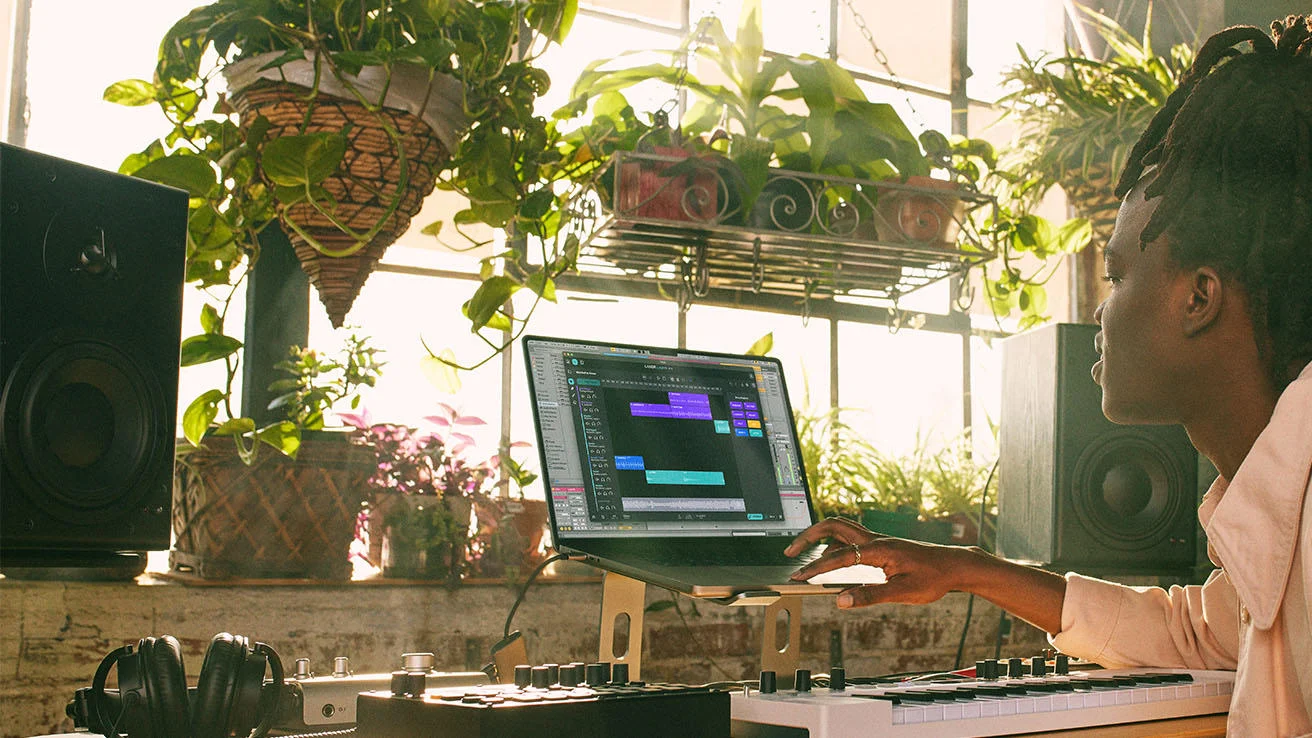
Now something else is taking shape. Instead of trying to replace musicians or automate creative decisions, a new class of tools is positioning AI as a co-producer: a system that listens, responds, and builds alongside human intent. LANDR Layers is one of the clearest signals yet that this shift is real.
From Automation to Interpretation
Most generative music tools still work on a prompt-first mindset. You ask, the model delivers. That approach makes sense for speed, but it flattens context. Music starts with feel, timing, harmonic tension, the push and pull between parts.
What’s different about co-production tools is that they flip the input. Instead of asking users to describe what they want, they listen to what already exists.
LANDR Layers analyzes a track’s harmony, rhythm, and structure, then it generates instrumental performances that adapt to those specifics. Not generic loops stretched to fit, but parts that react dynamically to what’s happening in the song. It’s less “generate me a bassline” and more “here’s the track, play with it.”
That shift matters, because interpretation is where production actually lives.
Why “Real Performance” Is the Center of the Debate
One of the biggest claims against AI music has always been the feel. Even when the output sounds clean and polished, it often misses the tiny, human decisions that make a performance feel alive, like when to push, when to pull, and when to leave space.
Layers tackles that problem at the source by grounding its models in recordings from real session musicians. These aren’t scraped clips or anonymous datasets, but intentional performances used to train systems that understand phrasing, dynamics, and musical role.
The result trades novelty for realism, and the difference is obvious. A bassline that knows when to stay out of the way. A guitar part that chooses restraint over flash. Multi-instrument layers that behave like a producer shaping an arrangement, not a stack of loops fighting for attention.
The Ethical Layer Is No Longer Optional
LANDR reflects a broader shift toward transparency in how creative AI is built. Instead of one-off payouts or vague promises, musicians whose recordings help train the models are compensated on an ongoing basis.
LANDR’s Fair Trade AI program works more like a licensing model than a data grab. Artists who distribute through LANDR can opt in to allow their recordings to be used for AI training. Those recordings help improve tools like Layers, and when those tools generate revenue, the artists who contributed data are compensated on an ongoing basis.
That structure isn’t just about doing the right thing on paper. It creates a real feedback loop: better performances lead to better tools, and better tools create more demand for real musicians. That’s a very different path than extractive AI systems trained without consent or compensation.
If AI is going to stick around in the creative ecosystem, this is the kind of foundation it needs.
Control Is the New Creativity
Another quiet shift happening right now is where creative control actually lives. Early AI music tools were built around generation, the focus was the output itself. Co-production tools flip that model by emphasizing control instead.
With Layers, users can shape an instrument’s timbre, performance dynamics, and complexity, then audition variations to get the right feel. Instead of regenerating an entire part, they can target specific sections, explore alternate performances, and refine moments in context.
That kind of focused iteration mirrors how real production actually works. Subtle changes, made exactly where they matter.
AI that supports that process doesn’t make creative decisions for you. It speeds up the path to the right one.
What This Signals for the Future of Music Tech
Zooming out, the rise of AI co-producers points to a broader course correction in music tech. The first wave of creative AI was obsessed with proving it could generate. The next wave is focused on proving it can collaborate.
That shift shows up in the details: tools that listen before acting and respond to musical context instead of overwriting it. It’s also about building ethical frameworks around how these tools are trained rather than bolting them on later. Ultimately, intelligent music production tools should understand music as a system of relationships, not just sounds.
LANDR Layers doesn’t feel like the end point of that evolution. It feels like an early, confident step in the right direction.
The takeaway isn’t that AI is replacing producers. It’s that production itself is widening. The tools that last won’t be the flashiest. They’ll be the ones that know when to contribute, when to step back, and how to listen first.
That’s not artificial creativity. It’s musical intelligence, applied with intention.