As we journey through this creative and transformative epoch, one thing becomes clear: The world of art and creativity is in a state of flux, constantly evolving and expanding its horizons. The harmonious dance between AI, artists, and the engaged audience is sculpting new art forms, enriching our comprehension and reverence for the vast world of creativity. As we look ahead, the expanse of artistic possibilities seems boundless, filled with promise, exhilaration, and a few bumps along the way.
Key Takeaways
- AI can now create art, changing how we think about creativity and originality.
- The market for AI-generated art is growing, with new platforms and sales emerging.
- Ethical questions about copyright, data use, and artist jobs are major concerns with AI art.
- Laws are still catching up to AI art, making ethical thinking important for now.
- AI offers new ways for artists to create and for people to experience art, but it also brings challenges.
Understanding The Rise Of Ai Art
The Evolution Of Machine Learning In Art Creation
The world of art is changing, and artificial intelligence is a big part of that. It’s not just about computers making pretty pictures anymore; AI is now a serious player in how art is made and thought about. This shift isn’t happening overnight, but it’s picking up speed.
Machine learning, the engine behind much of AI’s artistic ability, has come a long way. Early AI art tools were pretty basic, often producing abstract or repetitive patterns that didn’t quite look like intentional art. Think of simple computer-generated graphics from decades ago. But as the technology improved, so did the output. AI systems now learn from massive amounts of existing art, analyzing styles, colors, and compositions. This allows them to generate unique pieces that can be surprisingly detailed and aesthetically pleasing. It’s a process of learning and imitation, but the results are starting to blur the lines between human and machine creation. The journey from simple algorithms to complex neural networks has been rapid, transforming what we thought machines were capable of in the creative space.
Defining The Characteristics Of Ai-Generated Pieces
Spotting AI-generated art can sometimes be tricky, but there are a few common traits. You might notice a certain level of polish that feels almost too perfect, or perhaps unusual combinations of elements that a human artist might not typically put together. Sometimes, there can be subtle inconsistencies or repetitive patterns that give it away. It’s not always obvious, and as AI gets better, these markers become less distinct. However, understanding these characteristics can help us appreciate the unique nature of AI’s contribution to art. It’s a fascinating area to explore as the technology continues to develop.
While AI art can exhibit remarkable detail and novel compositions, subtle anomalies or an almost uncanny perfection can sometimes hint at its machine origin. These markers are becoming less pronounced as the technology advances.
Key characteristics to look for include:
- Unusual juxtapositions: Elements or styles combined in ways a human might not naturally conceive.
- Surface polish: An almost too-perfect finish that lacks the subtle imperfections often found in human work.
- Repetitive patterns or inconsistencies: Subtle, repeating visual motifs or minor logical flaws in the composition.
- Algorithmic signature: A unique aesthetic that arises from the specific algorithms and training data used.
Ai As A Tool For Artistic Innovation
AI is really changing how we think about making art. It’s not just about computers making pretty pictures anymore; it’s about new ways artists can work and what art can even mean. Think of AI as a new kind of paintbrush or chisel. Artists are using AI tools to explore ideas they couldn’t before. These tools can generate variations on a theme, create complex patterns, or even suggest entirely new visual styles. For example, an artist might feed an AI a collection of their own sketches and ask it to generate new works in a similar style, but with unexpected twists. This isn’t about replacing the artist, but about giving them a powerful assistant that can speed up certain processes or introduce elements of surprise.
Rapid Prototyping And Style Exploration
AI tools can significantly speed up the initial stages of the creative process. Artists can use AI to quickly generate numerous visual concepts based on a theme or idea. This allows for rapid experimentation with different aesthetics, color palettes, and compositions without the extensive time investment typically required for manual creation. This ability to visualize many different concepts rapidly is a game-changer for artistic exploration. It means artists can test more ideas and refine their vision much faster than before.
Data Visualization And Interactive Installations
Beyond static imagery, AI is opening new doors for dynamic art forms. Complex datasets, which might otherwise be abstract and difficult to grasp, can be transformed into compelling visual art. AI algorithms can identify patterns and relationships within data and translate them into aesthetic forms, making information more accessible and engaging. Furthermore, AI is enabling the creation of interactive installations that respond to viewers or their environment in real-time. These installations can create unique, personalized experiences for each participant, blurring the lines between art, technology, and audience.
AI is not just about generating images; it’s about creating responsive environments and making complex information visually understandable. This shifts art from a passive experience to an active dialogue between the artwork, the viewer, and the underlying data or technology.
Redefining Originality And Artistic Expression
The emergence of AI in art creation prompts a fundamental reevaluation of what we consider original and expressive. As algorithms generate visuals based on vast datasets and human prompts, the lines between authorship, inspiration, and imitation become blurred. This shift challenges traditional notions of artistic creation, pushing us to consider new definitions of creativity in a collaborative human-AI landscape.
The Role Of Human Creativity Alongside Ai
It’s a common misconception that AI art signifies the end of human artists. Instead, many artists are finding AI to be a powerful collaborator. The human role often evolves from sole creator to that of a director, curator, or editor. Artists provide the initial vision, guide the AI’s output through prompts and iterative refinement, and apply their critical judgment to the generated results. This partnership can lead to novel artistic forms that neither human nor AI could achieve independently. The goal is to integrate AI as a tool that amplifies human creativity, rather than replacing it.
- Vision and Intent: Humans provide the conceptual framework and emotional drive behind the artwork.
- Prompt Engineering: Crafting effective prompts is a skill that directs the AI’s generative process.
- Curation and Refinement: Artists select, modify, and combine AI outputs to achieve their desired aesthetic.
- Critical Evaluation: Human judgment is essential for assessing the artistic merit and impact of AI-generated pieces.
The Debate Around Ai Art And The Human Element
The core of the debate often centers on the unique qualities that human experience brings to art. While AI can process information and generate complex outputs, it lacks the lived experiences, emotions, and subjective consciousness that have historically defined artistic expression. The question arises: can art truly be considered expressive without human intent and feeling? Some argue that the value of art lies not just in the final product but in the human story, struggle, and perspective embedded within its creation. Others believe that as AI becomes more sophisticated, the distinction may become less important than the aesthetic and conceptual impact of the work itself.
The integration of AI into art is not merely a technological advancement; it is a philosophical inquiry into the nature of creativity itself. It compels us to ask what truly makes art meaningful – is it the process, the intention, the output, or a combination of all these elements, now potentially involving non-human collaborators?
Ultimately, the conversation is shifting from whether AI can create art to how humans and AI can create art together, redefining originality as a collaborative endeavor.
Navigating The Ethical Landscape Of Ai Art
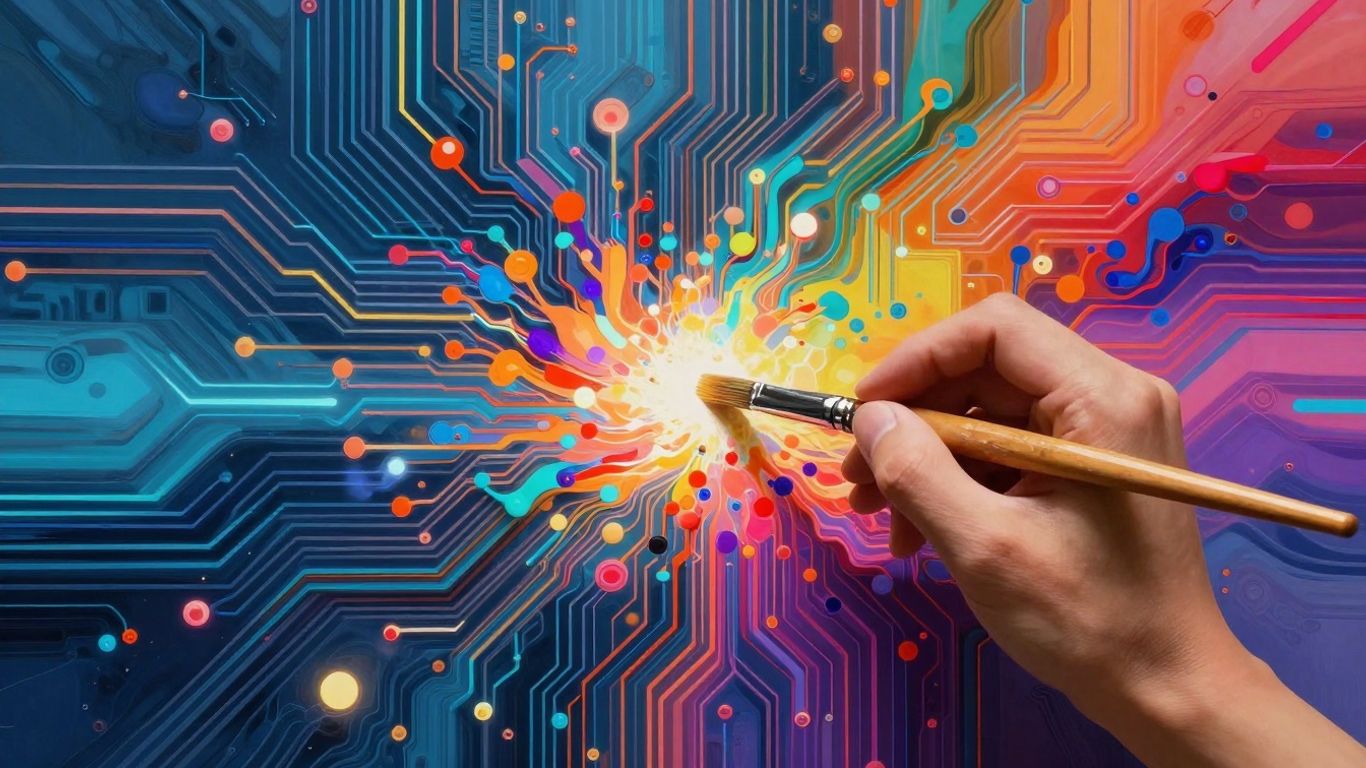
The rapid rise of AI in art creation has brought about a host of complex ethical questions that the creative world is actively grappling with. It’s not just about new tools; it’s about rethinking fundamental aspects of creativity, ownership, and the role of the human artist. As AI becomes more capable, these discussions become increasingly important.
The Ethics Of Ai Art And Artist Displacement
One of the most talked-about ethical issues is the potential impact of AI art on the livelihoods of human artists. As AI becomes more adept at producing high-quality artwork quickly and often at a lower cost, there’s a valid concern that it could displace traditional artists in certain fields. While some see AI as just another tool in an artist’s toolkit, others worry about the economic consequences and the potential devaluation of human skill and creativity. It’s a complex situation with differing viewpoints.
- Economic Impact: Concerns about AI art reducing job opportunities and income for human artists.
- Value of Human Skill: Questions arise about whether AI art diminishes the perceived value of human craftsmanship and artistic talent.
- AI as a Collaborator: The perspective that AI can augment human creativity, leading to new artistic possibilities rather than outright replacement.
The conversation around AI art and artist displacement isn’t about stopping technological progress, but about finding a balance that respects the contributions of human artists while exploring the potential of new tools.
Societal Implications Of Ai Art And Deepfakes
AI art tools, especially those that can generate realistic images and videos, present a significant societal challenge: the potential for widespread misinformation and the creation of convincing deepfakes. These technologies can be used to fabricate events, misrepresent individuals, or spread false narratives with a high degree of visual authenticity. The ease with which these can be produced means that distinguishing between genuine and AI-generated content is becoming increasingly difficult for the average person. This blurs the lines of reality and can erode trust in visual media, impacting everything from news reporting to personal interactions.
- Misinformation: The ease of creating fake but believable visual content can be used to spread false information.
- Erosion of Trust: Difficulty in discerning real from AI-generated media can lead to a general distrust of visual information.
- Authenticity Concerns: Questions about the authenticity of images and videos in public discourse and personal communication.
The ease with which AI can generate realistic visuals raises serious questions about the future of truth and trust in digital media.
Legal Frameworks And Ai Art Regulation
The rapid rise of AI in art creation has presented a significant challenge for existing legal structures. Laws and regulations are often slow to catch up with technological advancements, leaving a complex and sometimes unclear environment for AI art. Globally, specific legislation for AI-generated art is still in its early stages, creating a need for careful consideration of current laws and ethical guidelines.
The Nascent State Of Global Ai Art Legislation
Globally, dedicated laws for AI art are scarce. Many legal systems were designed with human creators in mind, making it difficult to apply them directly to works generated by machines. This means that the application of current laws to AI art is often ambiguous, leading to uncertainty for creators and the market.
Bridging The Gap With Ethical Reasoning
In the absence of comprehensive laws, ethical reasoning is becoming a vital guide. Ethical frameworks can help address issues that laws haven’t yet covered, such as:
- Attribution: How to properly credit the sources or influences behind AI-generated pieces.
- Data Usage: Concerns about using existing artworks for training AI models without permission.
- Transparency: Clearly indicating when AI has been used in the creation process.
- Consent: Respecting creators’ rights when their data is used for AI training.
These ethical guidelines act as a practical bridge, offering principles for responsible innovation while legal systems adapt.
Copyright Considerations For Ai Art Creators
Copyright law is a major point of discussion. Questions about who owns the copyright to AI art are common: is it the person who provided the prompt, the developers of the AI, or perhaps no one? Current copyright rules often require human authorship, making the legal status of purely AI-generated works uncertain. This ambiguity affects how AI art can be shared, sold, and protected. The unauthorized use of artists’ work to train AI models is a significant concern, leading to ongoing debates and legal actions.
The core issue often boils down to whether AI is seen as a tool, like a paintbrush, or as a co-creator, which has significant implications for how we attribute and value the final output.
Exploring The Market Growth For Ai Art
The market for AI-generated art is definitely growing. More and more people are interested in owning or displaying these unique creations. You can find AI art on various online platforms, and some galleries are even starting to feature it. This increased interest shows a shift in how art is valued and consumed. As more artists and collectors engage with AI art, its presence in the broader art market is becoming more significant. This expansion reflects a wider acceptance and curiosity about what AI can bring to the creative industries, impacting everything from how art is made to how it’s bought and sold. The rapid technological advancements are driving economic revolutions, and the art market is certainly feeling the effects of this digital transformation.
The Expanding Presence Of Ai Art Online
Online spaces have become the primary launchpad for AI art. Platforms dedicated to digital art, stock imagery, and even general marketplaces are now showcasing AI-generated pieces. This accessibility means that anyone with an internet connection can discover, purchase, or even commission AI art. It’s a far cry from the traditional gallery system, opening doors for both creators and buyers. The ease of digital distribution and the global reach of the internet are key factors in this rapid expansion. This digital presence also allows for quicker trend identification and market response, something that traditional art markets often struggle with.
Shifting Valuations In The Art Market
Valuing AI art is an evolving discussion. Traditional metrics based on artist reputation, physical medium, and provenance are being re-examined. Factors like the complexity of the AI model used, the uniqueness of the output, and the conceptual framework behind the creation are starting to influence price. Some collectors are drawn to the novelty and technological aspect, while others appreciate the aesthetic qualities regardless of origin. It’s a dynamic situation, and as AI art matures, so too will the methods for assessing its worth.
- Novelty and Technical Sophistication: The underlying AI technology and its innovative application can add to an artwork’s perceived value.
- Aesthetic Appeal: Ultimately, the visual quality and emotional impact of the artwork remain paramount for many buyers.
- Conceptual Depth: The ideas and themes explored by the AI, often guided by human input, contribute to its artistic merit.
- Rarity and Editioning: Similar to traditional art, limited editions or unique AI creations can command higher prices.
The integration of AI into art creation presents a new frontier, challenging traditional notions of creativity and authorship. As these tools become more sophisticated, they offer both exciting possibilities and complex questions for artists and audiences alike.
This shift is also impacting how visual content is created in other industries, with AI image editing transforming how essential visuals are made and improved for marketing and presentation in fields like fashion [0011].
The Future Synergy Of Ai And Artistic Endeavors
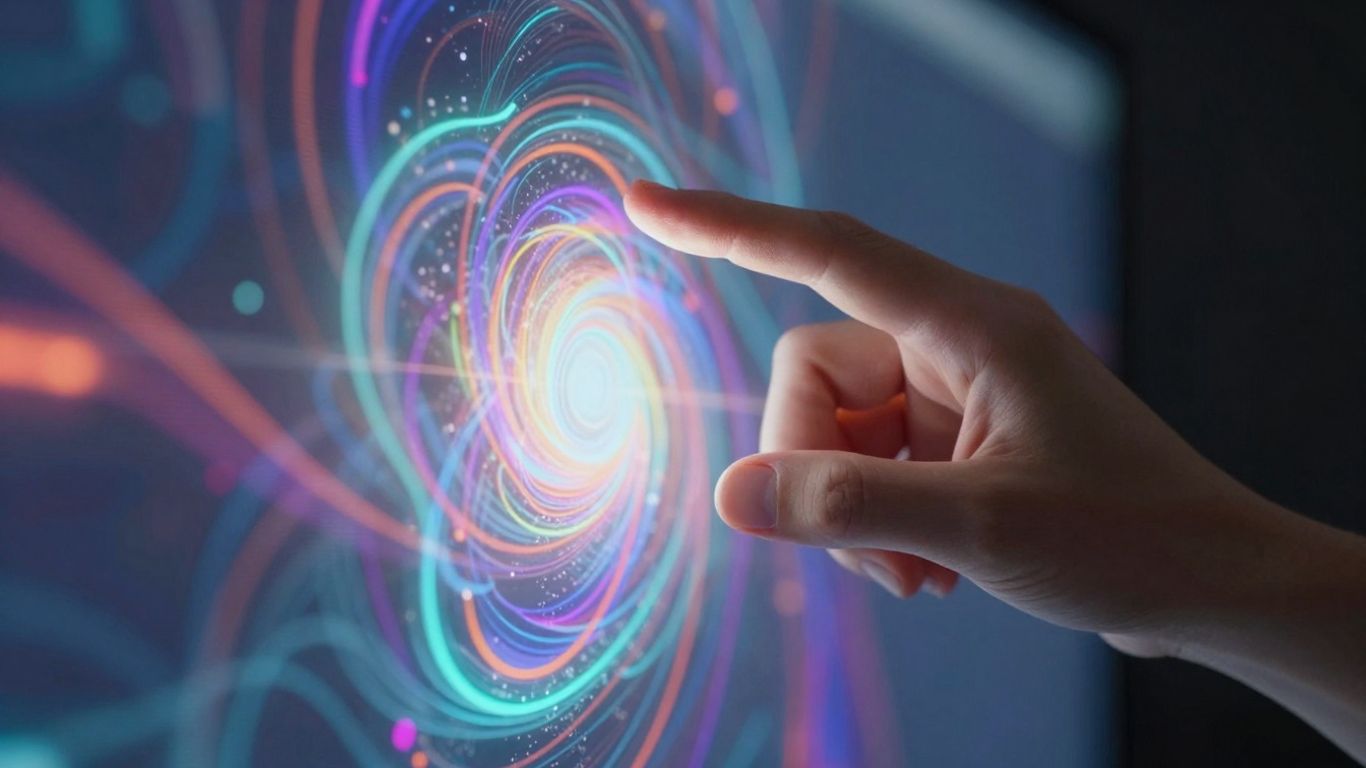
As we look ahead, the connection between artificial intelligence and artistic creation is set to deepen. This isn’t about AI taking over from human artists, but rather about a new phase of working together. Technology can become a strong partner, opening up ways to express ideas that we couldn’t imagine before.
Preserving Cultural Heritage Through Ai
AI tools are getting really good at looking at and putting back together old objects, artworks, and even places that are gone now. Imagine AI programs going through huge amounts of old information to help fix damaged ancient writings or build digital versions of buildings that no longer exist. This technology can help us understand and connect with our past in deeper ways.
- Digital Restoration: AI can help repair and improve digital copies of old photos, films, and papers, bringing faded memories back.
- Reconstruction of Sites: Using 3D modeling and AI, we can visualize and rebuild historical places based on bits of evidence.
- Linguistic Analysis: AI can help figure out old languages or how dialects changed, giving new ideas about old texts.
Personalizing Artistic Experiences
AI has the ability to make art experiences fit what each person likes. Think about music apps that learn what you enjoy and make custom playlists, or digital art that changes based on who is looking at it and how they feel. This personal touch can make art more available and interesting for more people.
AI’s ability to learn from user data allows for the creation of highly customized artistic outputs, moving beyond one-size-fits-all experiences.
Fostering Global Artistic Exchange
AI can help get rid of language problems and cultural differences, making a more connected art world. AI translation tools can help artists share their work and thoughts across different languages. Also, AI can look at art trends from around the world, helping creators understand different influences and maybe start new collaborations between cultures.
- Cross-Cultural Collaboration Platforms: AI can help find artists with similar styles or ideas from different places.
- Automated Translation: Tools that translate artist descriptions, exhibition details, and reviews can improve understanding between countries.
- Trend Analysis: AI can spot new art movements and influences globally, informing artists and curators.
Looking Ahead: The Ever-Evolving Canvas
As we wrap up our exploration into AI’s role in art, it’s clear we’re standing at a fascinating point. The way machines can create is changing, and it’s sparking all sorts of conversations. We’ve seen how AI can be a tool for artists, opening up new avenues for expression, and how the market for these unique pieces is growing. But it also brings up important questions about originality, ethics, and the future for human artists. The laws and guidelines are still catching up, so thinking carefully about these issues is key right now. Ultimately, AI in art isn’t about replacing human creativity, but about finding new ways for technology and imagination to work together, shaping a future where art continues to surprise and inspire us in ways we’re only just beginning to understand.
Frequently Asked Questions
What is AI art?
AI art is artwork made using artificial intelligence. Think of it like a computer program that has learned from lots of existing art. You give it instructions, like describing a scene or a style, and it creates a new image or piece of art based on what it learned.
Can AI really be creative?
That’s a big question people are still discussing! AI can create surprising and unique images by combining things it learned in new ways. While it doesn’t have feelings or life experiences like humans, it can produce results that look very creative. Many artists use AI as a tool to help them explore new ideas.
Who owns the copyright for AI art?
This is a tricky area because laws are still catching up. Usually, copyright is given to human creators. With AI art, it’s not always clear if the person who wrote the instructions, the company that made the AI, or the AI itself is the ‘creator’. Because of this, copyright for AI art is often uncertain.
Will AI take away jobs from human artists?
Some people worry that AI could replace artists, especially for certain types of work like making simple graphics quickly. However, many believe AI will become a tool that artists use, helping them create more or explore different styles. Human artists bring unique ideas, emotions, and experiences that AI can’t replicate, so there will likely still be a strong need for human creativity.
How can you tell if art was made by AI?
Sometimes it’s hard to tell! AI art might look very polished, or it might combine things in unusual ways that a human might not think of. Occasionally, you might see small mistakes or patterns that repeat. As AI gets better, these clues become less obvious, but looking for these unique qualities can help.
What are the ethical concerns with AI art?
There are a few main worries. One is about artists losing work. Another is that AI learns from existing art, and people are concerned if that art was used without permission. Also, AI can create realistic fake images or videos, which could be used to spread false information or create ‘deepfakes’.