If you’ve ever wondered where many of the world’s biggest scientific ideas quietly take shape—before they become headlines, startups, or Nobel Prizes—the answer often traces back to the California Institute of Technology. This isn’t a university that tries to impress with size, flashy rankings, or sprawling campuses. In fact, most people are surprised when they learn how small Caltech really is. What it lacks in scale, it more than makes up for in intensity, focus, and raw intellectual output. Caltech operates more like a high-pressure research lab than a traditional college—and that’s exactly the point. This guide looks at what makes the ca institute of technology such a special spot for learning and discovery, from the way professors and students work together to the big ideas that come out of this institute.
Key Takeaways
- The California Institute of Technology offers students incredible chances to join in research, working with top-notch teachers and using advanced tools.
- The school encourages students and professors to work across different fields, helping them solve hard problems together.
- Undergraduates are deeply involved in research from the start, contributing to significant scientific projects.
- Caltech has a huge effect on science globally, with many major discoveries and Nobel Prize winners coming from the institute.
- The institute supports students who want to start their own companies, giving them help and connections to make their ideas real.
A Hub For Groundbreaking Research At The California Institute Of Technology
Extraordinary Faculty And State-Of-The-Art Facilities
Caltech is home to some truly remarkable individuals. The professors here aren’t just teachers; they’re often at the forefront of their fields, with many having earned prestigious awards like Nobel Prizes. They’re actively engaged in research that shapes how we understand the world around us. To support this ambitious work, Caltech provides access to some of the most advanced equipment and facilities available anywhere. Imagine laboratories equipped with the latest technology, where complex problems are explored daily, leading to new solutions. This combination of leading experts and top-tier resources creates an environment where significant scientific breakthroughs are not just expected, but happen regularly.
Interdisciplinary Research Initiatives
One of the things that makes Caltech stand out is its focus on collaboration across different academic departments. The institute really encourages the idea that working together across fields can lead to unexpected and important discoveries. This means you might see a biologist working with a computer scientist, or a physicist teaming up with an engineer. This mixing of ideas and skills is where some of the most exciting work happens. It allows Caltech to tackle big global challenges that need many different viewpoints to solve.
- Bridging Disciplines: Encouraging joint projects between departments like physics and biology.
- Problem-Solving Focus: Tackling complex issues that require diverse skill sets.
- Innovation Through Diversity: Generating novel ideas by combining varied approaches.
The institute is structured to make sure that both the people who teach here and the students who learn here have the best possible environment to push the boundaries of what we know.
Undergraduate Involvement In Cutting-Edge Projects
At Caltech, getting involved in research isn’t just for graduate students or professors. Undergraduates are encouraged to jump into real research projects right from their early years. A large number of undergraduates actively participate in hands-on research, working alongside faculty on projects that are pushing the limits of scientific knowledge. This early exposure to the research process is incredibly helpful. It gives students practical skills and a direct experience of contributing to scientific advancement. It’s a chance to be part of discoveries that could change entire fields, and many students find this involvement very rewarding.
Caltech’s approach to research is built on the idea that direct engagement leads to true understanding. This hands-on method prepares students to face and solve the world’s most difficult problems by immersing them in practical application and research early on.
The Unique Academic Environment At The California Institute Of Technology
Caltech isn’t just about attending lectures; it’s a place where learning is an active, collaborative process. The entire setup is designed to help students truly grasp concepts, not just memorize them. This creates a special atmosphere that shapes how students approach problems and think critically.
Interdisciplinary Collaboration Across Departments
One of the most striking aspects of Caltech is how readily people from different fields work together. You’ll often find physics students discussing ideas with biology majors, or engineering students teaming up with computer scientists. This mixing of diverse perspectives is a fertile ground for new ideas. It’s like fitting together different puzzle pieces to reveal a larger picture that wouldn’t be visible otherwise. This cross-pollination of knowledge helps everyone tackle complex issues from multiple angles.
Small Class Sizes and Close Faculty Interaction
Forget about massive lecture halls. At Caltech, classes are kept small. This means professors get to know their students personally. You can ask questions without feeling lost in a crowd, making it much easier to have genuine conversations and receive feedback that’s actually useful. This close connection with instructors is a significant benefit for learning and getting guidance.
A Culture of Trust and Academic Integrity
There’s a strong emphasis on trust and honesty, often referred to as the Caltech Honor Code. This principle is built on the expectation that students will act with integrity in their academic work and in their interactions with others. This cultivates an environment where everyone can concentrate on learning and discovery without concerns about unfair practices.
This focus on trust allows students a great deal of freedom in their academic pursuits, encouraging them to take ownership of their learning journey and to engage with their studies responsibly.
Understanding The California Institute Of Technology From The Ground Up
A Precision-Engineered Laboratory
Think of Caltech less like a typical university and more like a highly specialized laboratory. Everything here, from the courses offered to the research projects underway, is built to push the boundaries of scientific and engineering knowledge. It’s a place where students don’t just learn existing facts; they often get to be part of discovering new ones before they even graduate. This setup is intense, and it’s meant to be. Caltech is designed to change you, rewarding those who are curious, tough, and willing to work through difficult problems until they find answers.
Who Benefits Most From The Experience
Caltech isn’t a fit for everyone, and that’s a good thing. The students who do best here usually share a few key characteristics. They genuinely love tackling tough challenges. These aren’t people just looking for a name on a diploma; they’re individuals who find real satisfaction in spending hours working through complex math problems, designing experiments, or thinking about abstract concepts. If learning feels more like solving a puzzle than a chore, Caltech can be incredibly exciting.
- Students who enjoy deep intellectual challenges.
- Aspiring researchers and technical leaders.
- Individuals driven by curiosity and problem-solving.
This environment is particularly well-suited for those aiming for careers in advanced research, innovative technology, or specialized engineering fields. Alumni often move on to top PhD programs, cutting-edge research labs, or roles in high-tech industries.
Research, Innovation, and Real-World Impact
The work done at Caltech has a significant effect far beyond its campus. Discoveries made here often shape entire fields, from space exploration and climate science to biomedical engineering and artificial intelligence. Because Caltech works closely with major research organizations, its findings don’t just stay in academic papers. They frequently turn into practical systems, new tools, and important policies that impact the world.
The institute’s focused approach means that breakthroughs are not just theoretical; they are engineered for practical application and widespread benefit.
Academic Life At Caltech: What Studying There Actually Feels Like
Intense, Structured, and Deeply Immersive Learning
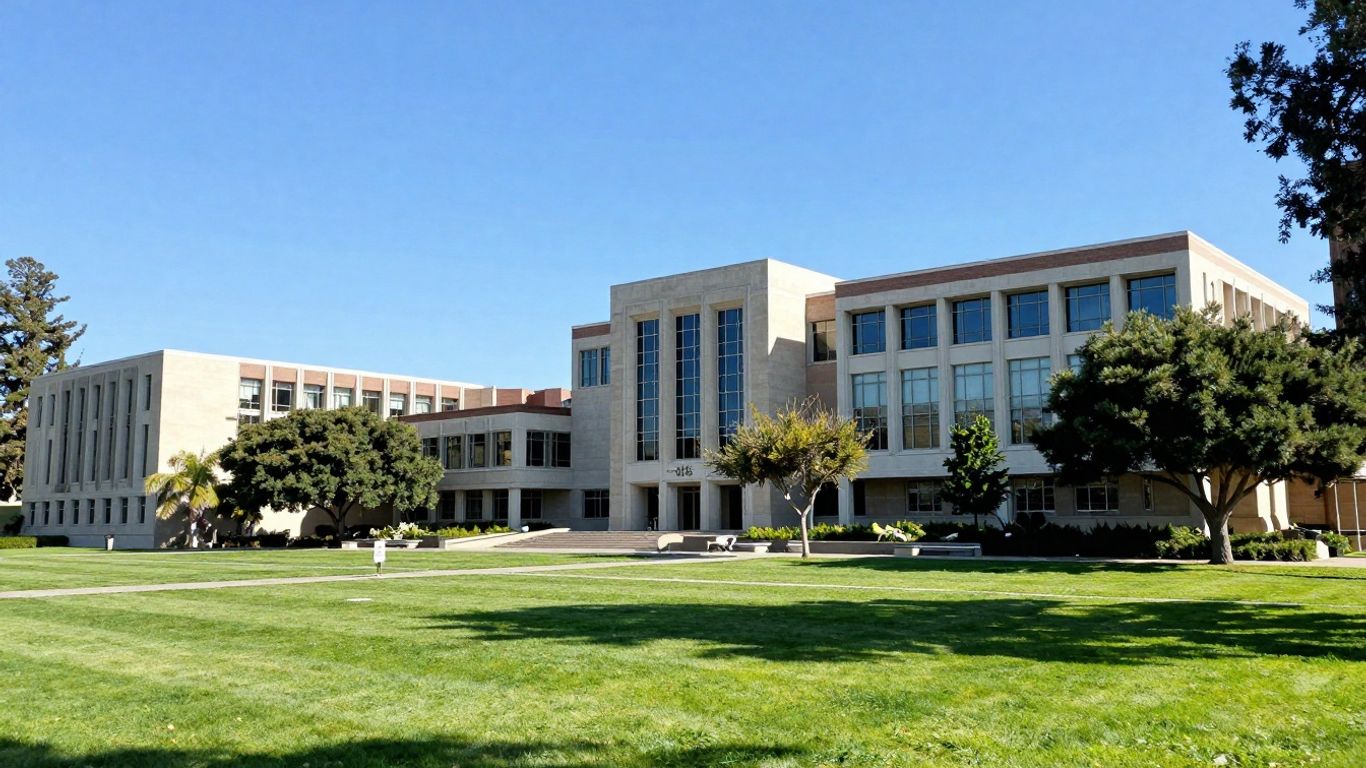
Academic life at Caltech is known for being demanding, structured, and all-consuming. The pace is fast, and the workload is significant, but it’s rarely just busywork. Assignments and projects are typically designed to build a deeper understanding of concepts, pushing students to engage with material in a meaningful way rather than just aiming for a good grade. You’ll find yourself working through complex problems, often with peers, late into the night. It’s an environment where learning is an active, continuous process.
The Honor Code: Fostering Trust and Independence
A defining characteristic of the Caltech experience is its Honor Code. This isn’t just a set of rules; it’s a foundational principle that shapes the entire community. It operates on a simple premise: students are trusted to act with integrity in all academic and personal matters. This trust allows for a unique academic environment where exams might be take-home or unproctored, placing the emphasis squarely on genuine mastery and personal responsibility rather than constant supervision. It mirrors the real world of scientific research, where integrity is paramount.
Navigating Challenges and Building Confidence
Caltech is not designed to be easy. Students are expected to encounter difficulties and grapple with challenging material. However, this struggle is seen as a vital part of the learning process. The institute provides support through close-knit peer groups and accessible faculty, but the primary goal is to build resilience and problem-solving skills. Over time, students develop a strong sense of confidence, not because the work becomes easy, but because they learn how to systematically approach and overcome complex obstacles. It’s a journey that transforms how you think about your own capabilities.
The academic environment at Caltech is intentionally rigorous, pushing students to their limits. This intensity, however, is balanced by a strong sense of community and a culture of trust that allows for significant personal and intellectual growth.
The Caltech Undergraduate Experience: Research and Discovery
At Caltech, the undergraduate journey is deeply intertwined with the world of research. It’s not an add-on; it’s a core part of what you do here. Many students find themselves involved in research projects very early in their academic careers, often within their first year. This hands-on approach means you’re not just learning about science and engineering from textbooks; you’re actively participating in the process of discovery.
A Reality of Pervasive Research Involvement
It’s quite common for a significant portion of undergraduates to be engaged in research. This isn’t limited to specific departments or advanced students; it’s a widespread opportunity. You’ll work alongside faculty members and graduate students on projects that are at the forefront of scientific and technological advancement. This direct involvement provides an unparalleled chance to contribute to real scientific progress. Imagine applying concepts you just learned in a lecture to an actual experiment that could lead to new findings.
Seamless Connection Between Theory and Practice
The curriculum at Caltech is designed to bridge the gap between theoretical knowledge and practical application. Coursework often includes laboratory components, design projects, and problem sets that mirror the challenges faced in research settings. This integration helps solidify your understanding and develops your ability to think critically and solve complex problems. You’ll see how the abstract principles discussed in class translate into tangible results in the lab or through computational modeling.
The Summer Undergraduate Research Fellowships Program
One of the most prominent avenues for undergraduate research is the Summer Undergraduate Research Fellowships (SURF) program. This initiative provides students with the opportunity to dedicate their summer to intensive research projects, often with financial support. It’s a chance to immerse yourself fully in a research topic, develop your skills, and potentially make significant contributions. Many students use the SURF program to explore new areas of interest or to deepen their involvement in ongoing faculty research, leading to valuable experiences and insights.
Here’s a look at how the SURF program typically works:
- Project Identification: Students can identify research projects proposed by faculty or develop their own project ideas in collaboration with a faculty mentor.
- Proposal Submission: A formal proposal outlining the research objectives, methodology, and expected outcomes is submitted.
- Research Execution: Students conduct their research over the summer, working closely with their faculty advisor.
- Dissemination: The program often culminates in a presentation or report, allowing students to share their findings.
The emphasis on early and consistent research involvement prepares undergraduates not just for graduate studies or careers in science and engineering, but also for a mindset of continuous learning and problem-solving that is applicable in any field.
Navigating Caltech Successfully
Embracing Difficulty as a Learning Tool
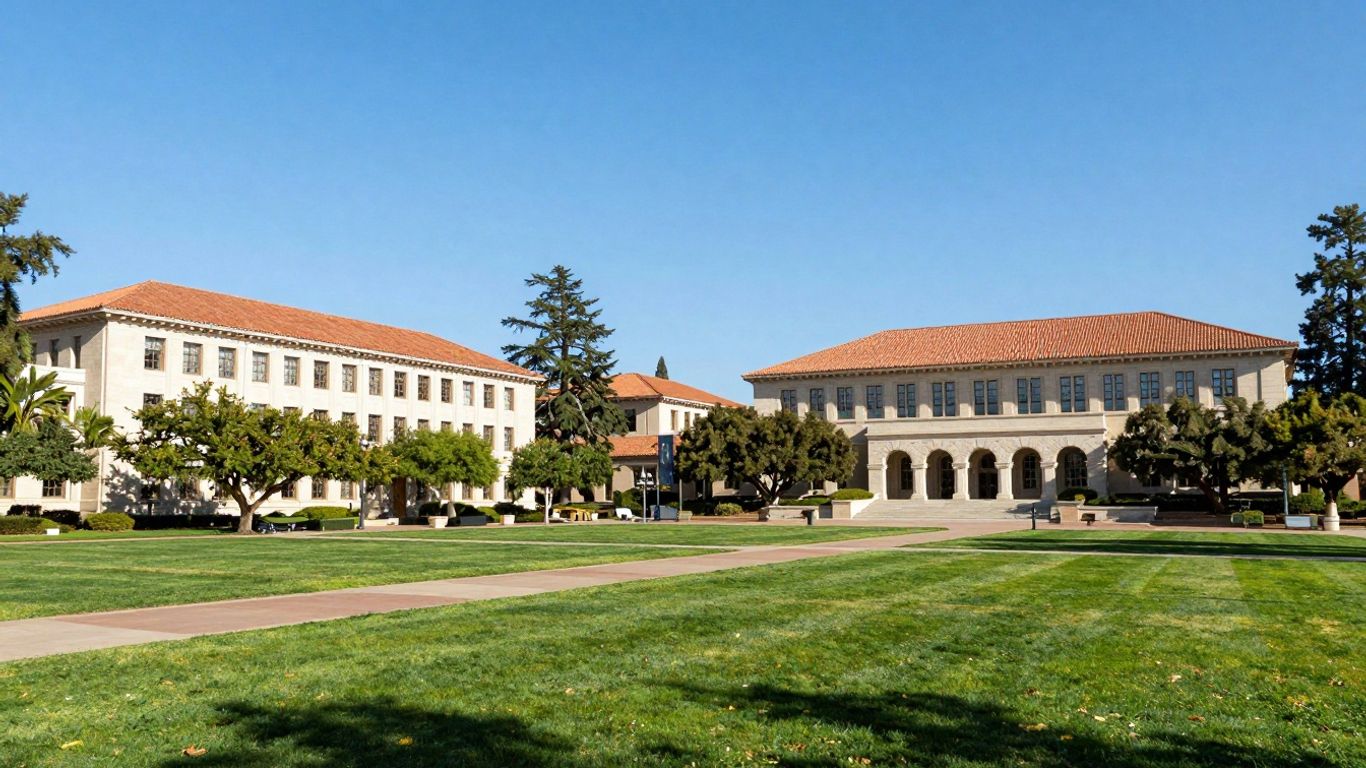
Many students arrive at Caltech having excelled in previous academic settings. However, the transition to Caltech often involves confronting challenges that are significantly more complex. It’s important to recognize that struggling with difficult material is not a sign of inadequacy, but rather a normal part of the learning process here. Accepting confusion as a temporary state, rather than a permanent one, is key to maintaining momentum and avoiding burnout. Caltech’s environment is designed to push intellectual boundaries, and this often means encountering problems that require sustained effort and multiple approaches before a solution becomes clear.
Building Strong Peer Networks for Collaboration
Collaboration is a cornerstone of the Caltech experience. The demanding nature of the coursework and research means that working effectively with peers is not just beneficial, it’s often necessary for success. Forming study groups, discussing challenging problem sets, and sharing insights can lead to breakthroughs that might not occur when working in isolation. These peer relationships often extend beyond academics, providing a vital support system throughout the intense undergraduate years.
- Form study groups early in the term.
- Actively participate in problem-solving sessions.
- Seek out peers with complementary strengths.
Mastering Time Management and Self-Care
With a rigorous academic schedule and extensive research opportunities, effective time management is critical. Students must learn to balance deep, focused work with adequate rest and personal time. Overworking without sufficient recovery can lead to diminishing returns and negatively impact both academic performance and overall well-being. Developing strategies to prioritize tasks, set realistic goals, and schedule downtime is as important as mastering the academic material itself.
The intensity of Caltech means that learning to manage your energy and focus is as important as managing your calendar. Recognizing when to push forward and when to step back for rest is a skill that pays dividends throughout your academic journey and beyond.
A Lasting Impact
So, what’s the takeaway from exploring Caltech? It’s clear this place is more than just a school; it’s a powerhouse for scientific and engineering progress. By bringing together bright minds, providing top-notch resources, and encouraging people to work across different fields, Caltech consistently produces groundbreaking work. The way they involve students in real research from the get-go is pretty special, setting them up for success in whatever they choose to do next. Whether it’s through major discoveries, training future leaders, or even helping students launch their own ventures, Caltech’s influence stretches far beyond its campus, shaping the future of technology and our understanding of the world.
Frequently Asked Questions
What makes Caltech different from other big science schools?
Caltech is a smaller school, but it’s known for its really focused approach to science and engineering. Instead of being a huge university with many different subjects, Caltech concentrates on a few key areas. This allows students and teachers to dive really deep into their work and make big discoveries.
Do students at Caltech get to do research?
Yes, absolutely! Most students at Caltech get involved in research projects even when they are still in their first year. They work alongside experienced professors and use advanced tools, which means they are not just learning about science, but actually doing it and contributing to new discoveries.
What is the Caltech Honor Code?
The Honor Code is a set of rules that everyone at Caltech follows to ensure honesty and trust. It means students are expected to do their own work and treat each other fairly. This code helps create an environment where everyone can focus on learning and discovery without worrying about cheating.
Are classes at Caltech very large?
No, Caltech has very small classes. This is great because professors can get to know each student personally. It’s easier to ask questions and get helpful feedback, making the learning experience much more personal and effective.
Is it hard to study at Caltech?
Caltech is known for being very challenging. The work is tough, but it’s designed to help you learn deeply. Students are encouraged to tackle difficult problems, and while it can be hard, they learn to overcome challenges and build confidence through their efforts.
What kind of jobs do Caltech graduates get?
Graduates from Caltech often go on to do amazing things. Many pursue advanced studies in top universities, work in important research labs, or start their own innovative companies in fields like technology, space exploration, and medicine. Their education prepares them for leading roles in science and engineering.