In today’s fast-paced digital world, creativity is key. But what if you’re not an artist? That’s where the latest AI imaging generator technology comes in. These tools are changing the game, letting anyone turn simple words into amazing pictures. We’ll look at how these AI imaging generators work, what they can do, and how you can use them to make your own creative projects shine.
Key Takeaways
- AI imaging generator tools can turn text descriptions into unique images, making art creation accessible to everyone.
- These generators use complex AI models trained on vast amounts of visual data to understand and create images.
- The technology allows for the creation of various image types, from realistic portraits to abstract designs, with high detail.
- Users can customize outputs for specific project needs, and many tools offer fast processing for quick results.
- AI imaging generators are impacting fields like marketing and design by streamlining processes and boosting creativity.
Understanding the Power of AI Imaging Generators
AI imaging generators are changing how we think about creating visuals. These advanced computer programs take text descriptions and turn them into pictures. Think of it like having a digital artist who can draw or paint anything you can describe, from a realistic scene to something completely imaginary. They work by learning from huge amounts of image and text data, figuring out how words relate to visual elements. This means you don’t need to be a skilled artist to create compelling images anymore.
How AI Imaging Generators Transform Text into Art
At their core, these tools are about translation – translating your words into pixels. You provide a prompt, which is essentially a written description of what you want to see. The AI then interprets this prompt, breaking down the concepts, objects, styles, and moods you’ve requested. It draws upon its training data, which includes millions of images and their associated text, to understand how different elements look and how they can be combined. This process allows for the creation of visuals that precisely match user intent, even for complex or abstract ideas. For instance, describing "a cat wearing a tiny hat, sitting on a cloud, in the style of Van Gogh" will result in an image that attempts to capture all those specific details and artistic influences. This capability opens up new avenues for storytelling and visual communication.
The Core Technology Behind Visual Creation
The magic behind AI image generation often involves sophisticated machine learning models, particularly deep learning. These models are trained on vast datasets, learning patterns, textures, shapes, and color palettes. When you give a prompt, the AI uses this learned knowledge to construct an image. It’s not simply pulling existing images; it’s generating new ones pixel by pixel, or in layers, based on the statistical relationships it has identified between text and visuals. Some systems use techniques like Generative Adversarial Networks (GANs) or diffusion models, which are complex algorithms designed to produce highly realistic and novel outputs. The continuous development in these areas means the quality and coherence of generated images are constantly improving.
Democratizing Digital Artistry for Everyone
One of the most significant impacts of AI imaging generators is making visual creation accessible to a much wider audience. Previously, producing high-quality digital art required specialized software, technical skills, and often years of practice. Now, individuals without formal art training can bring their ideas to life. This democratization is beneficial for many fields, from small businesses needing marketing materials to educators looking for engaging visual aids. It allows more people to express themselves visually and to create custom graphics for personal or professional projects. Exploring different web host options can be a similar process of finding the right tool for your needs.
The ability to generate unique visuals quickly and affordably is transforming creative workflows across industries. It’s no longer a niche technology but a practical tool for everyday use.
Exploring the Capabilities of AI Imaging Generators
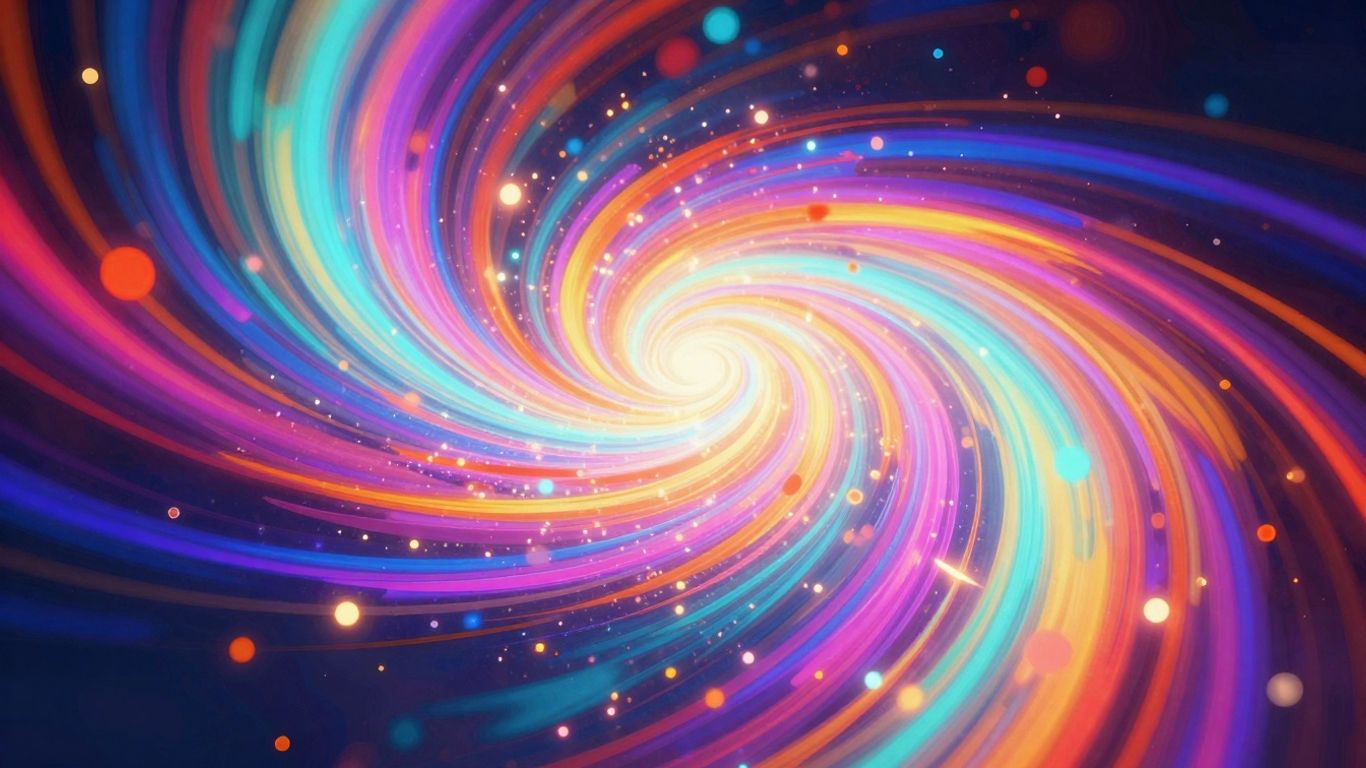
AI imaging generators have moved beyond simple novelty to become powerful tools for a wide range of creative tasks. They can take a textual description and turn it into a visual reality, opening up new avenues for expression and production. Whether you’re aiming for something that looks like it was captured by a camera or something completely fantastical, these systems are designed to meet diverse needs.
Generating Realistic Portraits and Whimsical Illustrations
One of the most striking abilities of current AI imaging technology is its versatility. You can prompt the system to create an image of a specific person, and it can produce a portrait that appears remarkably lifelike, complete with nuanced lighting and textures. On the other end of the spectrum, these tools can also conjure up imaginative scenes and characters for whimsical illustrations. Think of storybook characters or surreal landscapes; the AI can bring these concepts to visual form with surprising detail.
Achieving High-Quality Outputs with Detail and Clarity
Modern AI generators are increasingly adept at producing images with high levels of detail and clarity. Early versions sometimes struggled with certain elements, like hands or consistent textures, but recent advancements have significantly improved these areas. The systems can now render complex scenes with sharp focus and accurate representation of light and shadow. This means the generated images are not just conceptually interesting but also visually polished, suitable for professional use.
Customizing Visuals for Unique Project Requirements
Beyond just generating an image from a prompt, many AI tools offer ways to customize the output to fit specific project needs. This can include adjusting the aspect ratio of the image, selecting a particular artistic style, or even refining specific elements within the generated picture. For instance, if you need an image for a website banner, you can specify the dimensions. If you’re working on a branding project, you might request visuals that align with a particular color palette or mood. This level of control allows creators to tailor the AI’s output precisely to their vision, making it a flexible addition to any creative workflow.
Key Innovations Driving AI Imaging Generators
Advancements in Image Realism and Detail
AI imaging generators have made significant strides in producing visuals that are remarkably lifelike. Early versions often produced images with a noticeable artificial quality, sometimes described as a ‘plastic look,’ especially in human faces. However, recent developments have focused on refining these outputs. New frameworks and training methods, often involving sophisticated ‘critics’ that evaluate image authenticity, help AI learn to create images that are difficult to distinguish from actual photographs. This means AI can now capture subtle details, textures, and lighting conditions with much greater accuracy, making the generated images more believable and impactful.
Enhanced Customization and Flexibility Options
Beyond just realism, the ability to tailor generated images to specific needs has greatly improved. Users can now adjust a wide array of parameters, from the overall artistic style (like watercolor or abstract) to specific elements within the image. This flexibility extends to technical aspects such as resolution, aspect ratio, and even the fine-tuning of colors and textures. This level of control allows creators to align AI outputs precisely with their unique project requirements and artistic vision.
Faster Processing for Real-Time Applications
Speed has always been a factor in creative workflows, and AI imaging generators are no exception. The time it takes for an AI to produce an image from a text prompt has decreased considerably. Many current platforms can generate high-quality images in a matter of seconds, typically between 10 to 30 seconds. This rapid generation capability opens up possibilities for more dynamic and interactive applications, where visuals can be created or modified on the fly.
The iterative refinement process in AI image generation is becoming more efficient. Systems now compare their creations against the initial prompt and vast datasets, making adjustments in multiple cycles until a satisfactory quality level is reached. This continuous improvement loop is key to achieving both speed and quality.
Here’s a look at some of the improvements:
- Resolution: Many generators now support resolutions up to 4K (4096×4096 pixels).
- Processing Time: Images are often generated in under 30 seconds.
- Customization: Users can select from various aspect ratios and fine-tune stylistic elements.
- Commercial Rights: Many platforms now include commercial usage rights for generated images, simplifying their use in marketing and business.
Choosing the Right AI Imaging Generator
Factors to Consider for Your Creative Needs
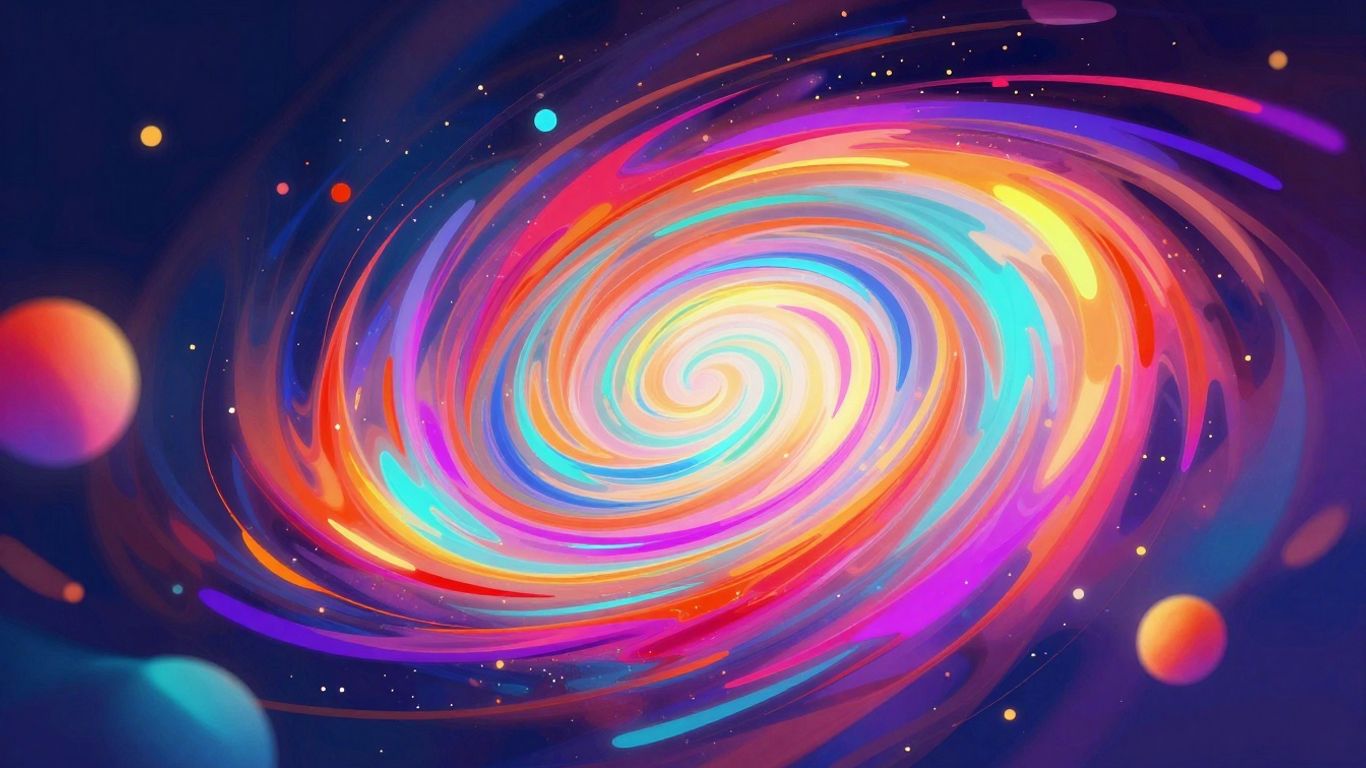
Selecting an AI imaging generator that fits your creative workflow can feel a bit like choosing the right tool for a specific job. It’s not just about the technology itself, but how it aligns with what you aim to produce. Think about the kind of visuals you want to create. Are you aiming for images that look like real photographs, or are you more interested in artistic styles, abstract designs, or perhaps cartoonish illustrations? Different generators have strengths in different areas. Some are particularly good at producing photorealistic results, while others excel at generating unique artistic interpretations.
Consider the level of detail and complexity you require. Some tools can produce incredibly intricate scenes with fine textures, while others might be better suited for simpler, more stylized outputs. Also, think about how much control you want over the final image. Do you need to fine-tune specific elements, or are you happy with the AI’s interpretation of your prompt? The interface and user experience are also important; a generator that is intuitive and easy to use will make your creative process smoother.
Comparing Popular AI Imaging Generators
There are several prominent AI imaging generators available, each with its own set of capabilities and target audience. Understanding these differences can help you make an informed choice.
- DALL-E 3: Known for its strong ability to interpret complex prompts and generate detailed, coherent images. It’s often praised for its creativity and its capacity to produce a wide range of styles.
- Midjourney: This generator is highly regarded for its artistic and often surreal outputs. It tends to produce visually striking images with a distinct aesthetic, making it a favorite among artists looking for unique styles.
- Stable Diffusion: As an open-source model, Stable Diffusion offers a high degree of flexibility and customization. It’s a powerful option for those who want to experiment with the underlying technology or integrate it into their own applications.
- Leonardo.Ai: This platform provides a suite of tools and models, often with a focus on game assets and character design, but it’s also capable of generating diverse artistic styles.
The "best" generator often depends on your specific project goals and personal preferences. It’s advisable to experiment with a few different options to discover which one best matches your creative vision and workflow.
Budget-Friendly and Free Options Available
For those just starting out or working with limited resources, several AI imaging generators offer free tiers or trial periods. These can be excellent for exploring the technology and generating images for personal projects or initial concept development.
- Free Tiers: Many platforms provide a certain number of free image generations per month or offer limited access to premium features. These are great for casual users.
- Trial Periods: Some services offer a limited-time free trial of their full features, allowing you to test their capabilities before committing to a subscription.
- Open-Source Models: Utilizing open-source models like Stable Diffusion can be cost-effective, especially if you have the technical know-how to run them on your own hardware, though this requires an initial investment in computing resources.
When considering free options, it’s important to check the terms of service regarding commercial use. Some free generators may restrict the use of generated images to personal projects only, while others allow for commercial applications. Always verify the licensing to avoid any potential issues.
Real-World Impact of AI Imaging Generators
AI imaging generators are no longer just a novelty; they are actively reshaping how businesses and individuals approach visual content creation across various sectors. Their ability to quickly produce unique and high-quality images is proving invaluable.
Enhancing Marketing Campaigns with Unique Visuals
Businesses are finding that AI-generated imagery offers a fresh way to capture attention in crowded marketplaces. Instead of relying solely on stock photos or expensive custom shoots, marketers can now describe a concept and have an image materialize. This is particularly useful for creating visuals that perfectly match a specific campaign message or brand aesthetic. For instance, a fashion brand might use AI to generate striking images of models wearing their latest collection in fantastical settings, leading to a significant increase in social media engagement. Reports show that such unique visuals can boost likes and shares by as much as 45%, while also raising brand awareness by 30%.
Streamlining Design Processes in Architecture
In fields like architecture, where detailed visualizations are key, AI imaging generators are becoming powerful assistants. Architects can use these tools to quickly generate multiple design concepts or realistic renderings of proposed buildings and interiors. This speeds up the initial design phases and allows for rapid iteration based on client feedback. The ability to produce high-resolution visualizations tailored to specific project needs means that design teams can explore more possibilities and refine their ideas more efficiently.
Boosting Social Media Engagement and Brand Awareness
For social media managers and content creators, AI image generators are a game-changer. The constant demand for fresh, engaging content can be met with AI’s rapid output. Whether it’s creating eye-catching graphics for posts, generating unique memes, or illustrating complex ideas for infographics, AI tools make it easier to produce content that stands out. This accessibility means that even individuals or small teams without extensive design backgrounds can create professional-looking visuals that connect with their audience, driving interaction and building brand recognition.
The Future of Creativity with AI Imaging Generators
Predictions for AI in Art and Design
The trajectory of AI in art and design points towards a future where these tools become even more integrated into our creative processes. We’re moving beyond simple image generation to AI systems that can understand artistic intent and even suggest novel creative directions. Imagine an AI that learns your personal style over time, offering variations on your work that you might not have considered. This isn’t about replacing human artists, but about providing them with an incredibly sophisticated assistant. The focus will shift towards prompt engineering becoming an art form in itself, requiring a nuanced understanding of language and visual concepts to guide the AI effectively.
Seamless Integration into the Creative Workflow
Future AI imaging generators are likely to be built with workflow integration as a primary goal. Instead of standalone applications, expect these tools to become plugins or modules within existing design software suites. This means you could generate an image directly within your preferred editing program, making the transition from idea to final product much smoother. Think about generating concept art for a game or a character for a story without ever leaving your primary creative environment. This level of integration will significantly speed up iteration and experimentation.
Expanding Artistic Possibilities Beyond Imagination
AI is poised to push the boundaries of what we consider art. We’ll likely see entirely new art forms emerge, born from the unique capabilities of AI. This could include interactive art that changes based on viewer input, or dynamic visuals that evolve over time. The ability of AI to process and synthesize vast amounts of visual information means it can combine styles, concepts, and elements in ways that a human might not conceive. This partnership between human creativity and artificial intelligence will redefine artistic expression.
The evolution of AI imaging generators suggests a future where technology acts as a co-creator, augmenting human imagination rather than supplanting it. This collaborative approach promises to democratize advanced visual creation and open up new avenues for artistic exploration.
Here’s a look at what we might expect:
- Personalized AI Art Assistants: AI that learns individual artistic preferences and styles.
- New Artistic Mediums: Emergence of entirely new forms of art enabled by AI capabilities.
- Real-time Creative Feedback: AI providing instant visual suggestions and modifications during the creative process.
- Cross-Modal Creativity: AI bridging gaps between different creative domains, like generating music from an image or vice-versa.
Wrapping Up: Your Creative Journey with AI
So, we’ve looked at how AI image generators are changing the game for creating visuals. It’s pretty amazing how you can just type in an idea and get a picture back, right? Whether you’re trying to make cool social media posts, unique art, or just explore your imagination, these tools make it way easier. They’re getting better all the time, and it looks like they’ll keep becoming a bigger part of how we create things. It’s definitely worth playing around with them to see what you can come up with. Who knows what you’ll create next?
Frequently Asked Questions
What exactly is an AI image generator?
An AI image generator is a smart computer program that can create pictures based on written descriptions. You tell it what you want in words, and it uses its understanding of images and language to make a picture for you. It’s like having a digital artist that can draw anything you can describe.
Can anyone use these AI image tools, even if they aren’t artists?
Absolutely! These tools are designed to be easy for everyone to use. You don’t need any special art skills. If you can write a sentence describing an image, you can use an AI image generator to create it. This makes art and design accessible to more people than ever before.
How good are the pictures made by AI?
The quality of AI-generated images has become incredibly high. Many tools can create pictures that look very realistic, almost like real photographs, or in many different artistic styles. They can produce images with great detail and clarity, suitable for many uses.
Are there AI image generators that don’t cost money?
Yes, there are several AI image generators that offer free plans or credits to get started. While these free options might have some limits on how many images you can create or the features available, they are a great way to try out the technology and create visuals without paying.
Can I use the images I create with AI for my own projects, like for a business?
Generally, yes, you can use AI-generated images for commercial purposes. However, it’s very important to check the specific terms and conditions of the AI generator you use. Some might have different rules about usage rights, so always make sure you understand them before using an image for your business or marketing.
What’s next for AI in creating pictures?
The technology is improving very quickly. We can expect AI image generators to become even better at creating realistic and detailed images, offer more ways to customize your creations, and become faster to use. They will likely become even more integrated into creative jobs, helping artists and designers work more efficiently and explore new ideas.