This guide looks into the Stevens Institute of Technology, a school known for its strong focus on science and engineering. We’ll explore what makes this university a unique place for learning and growth, from its academic programs to student life and what happens after graduation. It’s a place where hands-on experience meets a solid education, all set against the backdrop of a vibrant location.
Key Takeaways
- Stevens Institute of Technology offers a hands-on learning approach with a curriculum that includes significant research opportunities and project-based work through programs like the Design Spine.
- The university is recognized for its small class sizes, allowing for close interaction between students and faculty who are experts in their fields.
- Student life at Stevens is characterized by a close-knit community, a wide range of extracurricular activities, and the advantage of being located near both Hoboken and New York City.
- Career development is a major focus, with robust career services, co-op programs, and Senior Design Projects that prepare students for successful postgraduate outcomes and high starting salaries.
- Stevens Institute of Technology provides a strong return on investment, with graduates often securing job offers quickly due to the school’s reputation among tech companies.
Academics And Learning At Stevens Institute Of Technology
Hands-On Curriculum And Research Opportunities
Stevens Institute of Technology really emphasizes learning by doing. The curriculum is built around practical application, meaning you’re not just reading about concepts; you’re actively working with them. This approach is particularly evident in the numerous research opportunities available to undergraduates. Many students get the chance to work alongside faculty on cutting-edge projects, sometimes even leading to co-authorship on published papers. It’s a great way to get a deeper dive into a specific subject and gain experience that’s hard to find elsewhere.
The Design Spine: Collaborative Project-Based Learning
A standout feature of the academic experience at Stevens is the "Design Spine." This isn’t just a single course; it’s a sequence of projects woven throughout your undergraduate years, especially in engineering. You’ll work in teams to tackle complex design challenges, building everything from robots to sophisticated testing equipment. It’s all about applying what you learn in the classroom to real-world problems, fostering teamwork and problem-solving skills.
Here’s a look at what the Design Spine might involve:
- Year 1: Introduction to design principles and team-based problem-solving.
- Year 2: Developing foundational engineering skills through smaller, focused projects.
- Year 3: Tackling more complex, interdisciplinary design challenges.
- Year 4: Capstone projects, often with industry partners, that simulate professional engineering work.
The Design Spine is a core part of the Stevens experience, pushing students to innovate and collaborate from day one.
Small Class Sizes And Engaged Faculty
One of the benefits of Stevens’ size is the opportunity for smaller class sizes. This setup allows for more direct interaction with professors, who are often leaders in their fields. You’ll find that faculty are generally accessible and willing to engage with students, offering personalized guidance. This close relationship can make a big difference in your learning journey, providing mentorship and support.
| Metric | Stevens Institute of Technology | Typical Private University |
|---|---|---|
| Average Class Size | ~20 students | ~25 students |
| Faculty with PhD | ~90% | ~85% |
| Student-Faculty Ratio | ~10:1 | ~15:1 |
Student Life And Campus Experience
A Close-Knit And Collaborative Community
Stevens Institute of Technology cultivates a strong sense of community among its students. While the academic rigor is a primary focus, the environment encourages collaboration and mutual support. Many students find that the smaller class sizes and shared academic challenges create bonds that extend beyond the classroom. This atmosphere is further supported by residential life programs designed to integrate students and provide resources for well-being.
The residential curriculum actively involves Resident Advisors in organizing floor and hall programs centered on mental health, working alongside the counseling office and student health center.
Extracurricular Activities And Campus Events
Student involvement in extracurricular activities is a significant aspect of life at Stevens. With a wide array of registered student organizations, there are numerous avenues for students to pursue their interests and develop new skills. These activities range from academic and professional clubs to cultural groups, service organizations, and recreational pursuits.
- Academic and Professional Clubs: Groups like the American Society of Mechanical Engineers provide opportunities for students to connect with peers in their field and engage in industry-related activities.
- Interest-Based Groups: Students can join clubs focused on hobbies such as rock climbing, chess, or photography, allowing for exploration outside of academic studies.
- Service and Cultural Organizations: Opportunities to give back through service or celebrate diverse heritages are available through various organizations.
Campus-wide events, such as Fall Fest and Winter Wonderland, offer seasonal celebrations with activities like carnivals, barbecues, and ice skating, providing shared experiences for the entire student body.
Leveraging The Hoboken And New York City Location
The location of Stevens Institute of Technology provides students with unique advantages. Situated in Hoboken, New Jersey, the campus offers a vibrant urban setting with easy access to the amenities of a lively city. Hoboken itself is known for its safe and welcoming atmosphere, featuring numerous dining options and scenic waterfront walks that students often enjoy in their free time.
Furthermore, the proximity to New York City opens up a world of possibilities. The university’s entertainment committee often facilitates access to the city’s cultural offerings by providing discounted tickets to Broadway shows, concerts, and sporting events. This dual access to both a close-knit campus community and the vast resources of a major metropolitan area creates a dynamic and engaging student experience.
Career Development And Postgraduate Success
Robust Career Services And Employer Connections
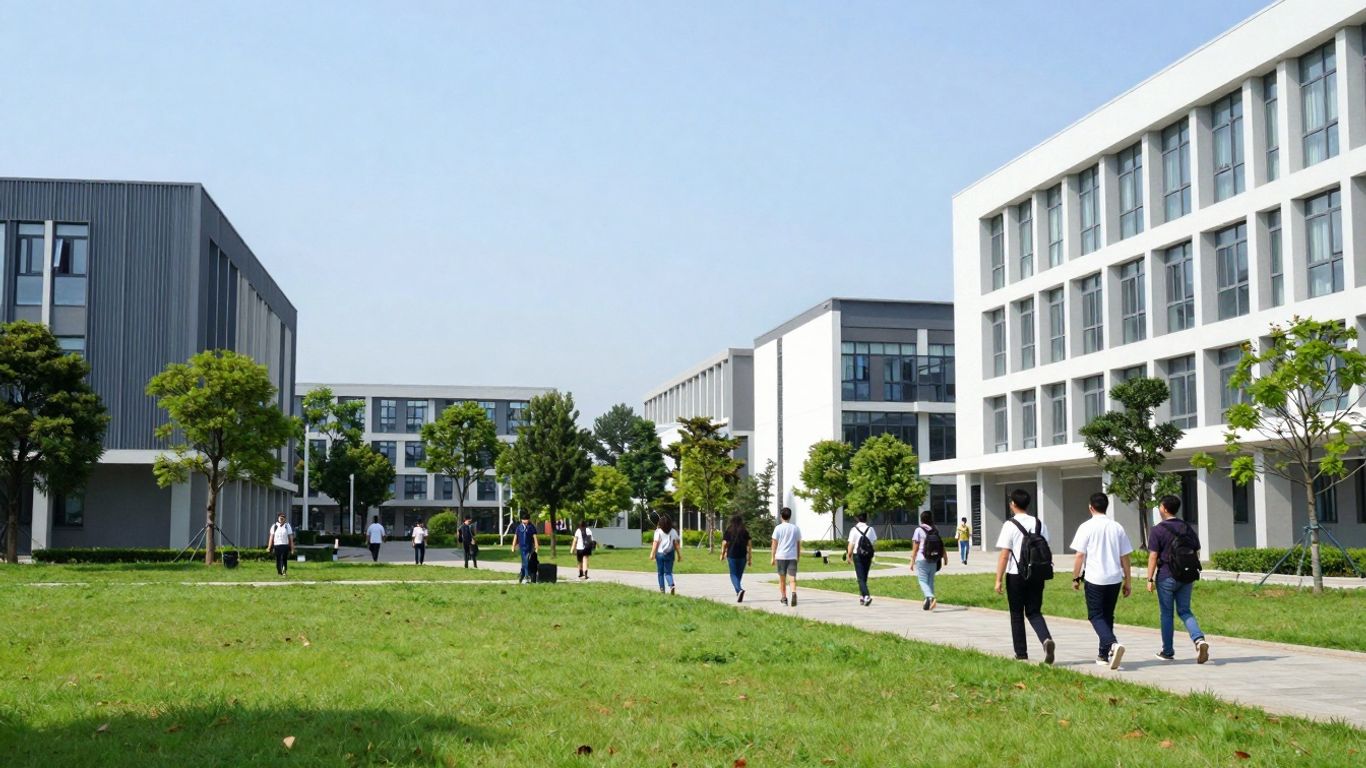
Stevens Institute of Technology places a strong emphasis on preparing students for their professional futures. The Career Center is a central hub for this, connecting students with a wide array of companies and organizations. They host numerous career fairs throughout the year, bringing over 600 employers directly to campus. This direct access is a significant advantage for students looking to land their first job after graduation. Many students find the resources provided by the Career Center incredibly helpful, with opportunities for resume reviews, interview practice, and networking events.
The goal is to ensure graduates are well-equipped and connected, making the transition from academia to the professional world as smooth as possible.
Cooperative Education And Internship Programs
Beyond traditional career services, Stevens offers structured programs designed to give students practical experience. The Cooperative Education Program, often a five-year track, is particularly popular among engineering students. This program integrates academic study with extended work periods at sponsoring companies, allowing students to gain in-depth, real-world experience. Similarly, internship programs are actively facilitated by the Career Center, providing students with shorter-term, yet still impactful, work opportunities. These experiences are not just about building a resume; they are about developing professional skills and understanding industry demands.
Here’s a look at some of the opportunities available:
- Cooperative Education: Extended work periods integrated with academic terms.
- Internships: Shorter-term work experiences, often during academic breaks or semesters.
- Experiential Learning: A broader category that can include co-ops, internships, and other hands-on projects.
Senior Design Projects And Graduate Outcomes
All seniors at Stevens are required to complete a capstone Senior Design Project. This project often involves collaboration with industrial sponsors, giving students a chance to tackle real-world problems and showcase their abilities to potential employers. This capstone experience is frequently a direct pathway to post-college employment. The outcomes for Stevens graduates are quite positive. Nearly 100% of graduates secure at least one job offer within six months of completing their degree. Furthermore, alumni report a high level of job satisfaction and a strong sense of meaning in their careers, with a median starting salary often reported in the high $80,000s. This reflects the strong preparation and the quality of education provided by the institute.
Navigating Campus And Local Resources
Transportation Options To And Around Campus
Getting around Stevens and to and from campus is pretty straightforward, thanks to its location and the school’s own initiatives. The university strongly suggests students use public transit, bikes, or carpooling instead of driving. Parking for students is quite limited, mostly reserved for those who really need it and live off-campus. If you’re commuting from outside Hoboken, you can apply for a semester parking permit, but it’s not a guarantee.
Public transportation is a big plus here. The Hoboken Terminal is a hub for various transit options, and buses also make stops near campus. For those looking to head into New York City, the ferry is a scenic and efficient choice. Stevens also supports greener travel with bicycle and scooter sharing programs, plus car sharing and carpooling options.
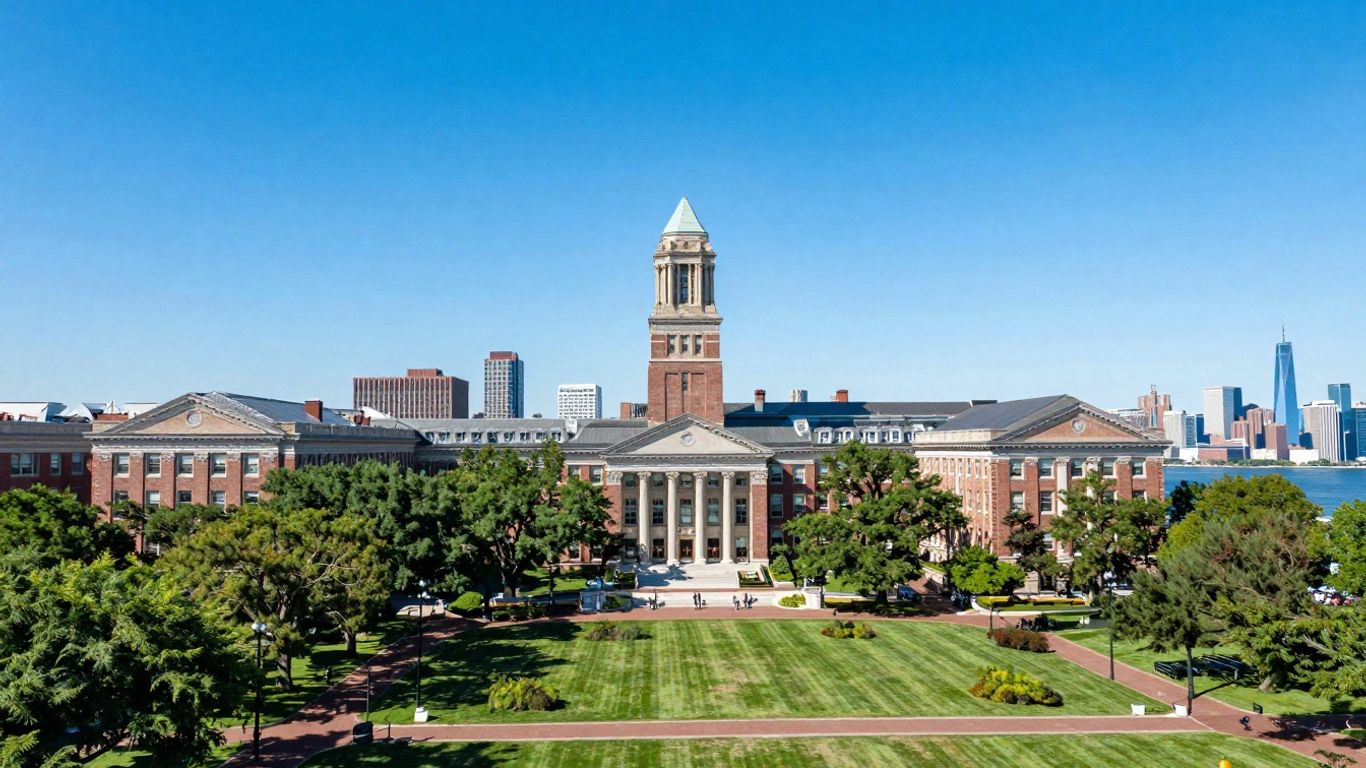
The campus itself is designed to be walkable, and with Hoboken being such a compact and vibrant city, many daily needs are within easy reach on foot.
Campus Services: Mail, Supplies, And Dining
When you’re on campus, you’ll find a good range of services to keep you going. The University Bookstore is your go-to for textbooks, school supplies, and Stevens gear. For mail and package needs, the campus mail services handle all your deliveries. Dining options are varied, with Pierce Dining Hall offering great views of the NYC skyline, alongside other eateries across campus.
Many of these services, along with vending machines and even some off-campus spots like Dunkin Donuts, can be paid for using your DuckCard via the DuckBills program. It’s a convenient way to manage small purchases without needing cash or cards all the time.
- University Bookstore: Textbooks, supplies, apparel.
- Mail Services: Package and mail handling.
- Dining Halls & Eateries: Multiple locations with diverse menus.
- DuckBills: Prepaid account for campus and select off-campus purchases.
Exploring The Vibrant City Of Hoboken
Living and studying at Stevens means you’re right in the heart of Hoboken, a city known for its lively atmosphere and community feel. It’s a very walkable city, with a clean environment and a rich history, even being the birthplace of Frank Sinatra. If you’re interested in learning more about the area’s past, the Hoboken Historical Museum offers walking tours that are quite informative. The city’s food scene is also a major draw, with countless restaurants and cafes to explore. Being so close to New York City is another huge advantage, offering endless opportunities for entertainment, culture, and internships.
Stevens Institute Of Technology: A Closer Look
Understanding The School’s Reputation And Size
Stevens Institute of Technology is a private research university. It’s known for its focus on science and technology, with a strong emphasis on hands-on learning and research. The school isn’t huge, which many students find to be a good thing. It’s large enough to meet new people and not see the same faces every day, but small enough to build real connections with professors and classmates. This size helps create a community where people know each other.
The Value Of A Stevens Education
Graduates from Stevens often find themselves well-prepared for the job market. The coursework is known for being challenging, pushing students to develop strong skills. This rigorous academic approach, combined with the school’s reputation, tends to lead to good career outcomes. Many students report getting job offers shortly after graduation, especially in tech fields, due to the school’s connections with companies.
Here’s a look at some post-graduation statistics:
| Metric | Percentage |
|---|---|
| Employed or continuing education (6 months post-grad) | 97% |
| Derive high level of meaning from jobs | 50% |
Student Demographics And Campus Environment
Stevens attracts students interested in science, technology, engineering, and math. The campus environment is often described as collaborative. Students work together on projects, and there’s a sense of shared purpose. The school’s location also plays a role, offering access to the resources and opportunities of the nearby New York City.
The school’s size and focus create an environment where students can really dig into their studies and build a strong foundation for their future careers. It’s a place that values practical experience alongside academic learning.
Wrapping Up Our Look at Stevens
So, that’s a look at Stevens Institute of Technology. It seems like a place that really focuses on giving students hands-on experience, whether that’s through research or their design projects. The small class sizes are a big plus, meaning you get to know your professors, who are usually experts in their fields. Plus, being so close to New York City opens up a lot of doors for internships and just, you know, life outside of school. The career services seem pretty solid too, with a high number of graduates landing jobs soon after finishing up. It’s definitely a school that prepares you for what comes next, and its reputation in the tech world is a big part of that. If you’re looking for a place that’s rigorous and connected, Stevens might be worth checking out.
Frequently Asked Questions
What makes Stevens Institute of Technology stand out from other schools?
Stevens is known for its hands-on learning and research chances. Students get to work on real projects and even help with research, which can lead to publishing papers and getting special help from teachers. The school also has a unique ‘Design Spine’ program where students work together on design projects, building things like robots and other cool stuff from scratch.
What is the student life like at Stevens?
Stevens has a close-knit community where students often work together. There are many clubs and activities, from academic groups to fun events like Fall Fest and Winter Wonderland. Plus, being right next to Hoboken and close to New York City means there are always new places to explore and things to do.
How does Stevens help students find jobs after graduation?
Stevens has a strong career center that helps students connect with companies looking to hire. They hold job fairs and help arrange internships and co-op programs. Many students also work on a Senior Design Project with companies, which often leads to job offers. Most graduates find jobs or continue their education soon after finishing school.
What are the class sizes like at Stevens?
Classes at Stevens are usually quite small. This is great because professors, who are experts in their fields, can spend more time with each student and really get to know them. It feels like a good balance – big enough to meet lots of new people, but small enough to build strong relationships with teachers.
What is the ‘Design Spine’ program?
The ‘Design Spine’ is a special part of the engineering program at Stevens. It focuses on teamwork and learning by doing. Students work on challenging design projects from start to finish, using the skills they learn in class to build things like air testers, robots, and speakers.
How easy is it to get around Hoboken and to New York City from Stevens?
Getting around is pretty easy. Stevens is located in Hoboken, which has its own charm and plenty of places to eat and explore. Public transportation like buses and trains are nearby, making it simple to get to New York City for fun or for opportunities. The school also offers ways to get discounted tickets to events in the city.