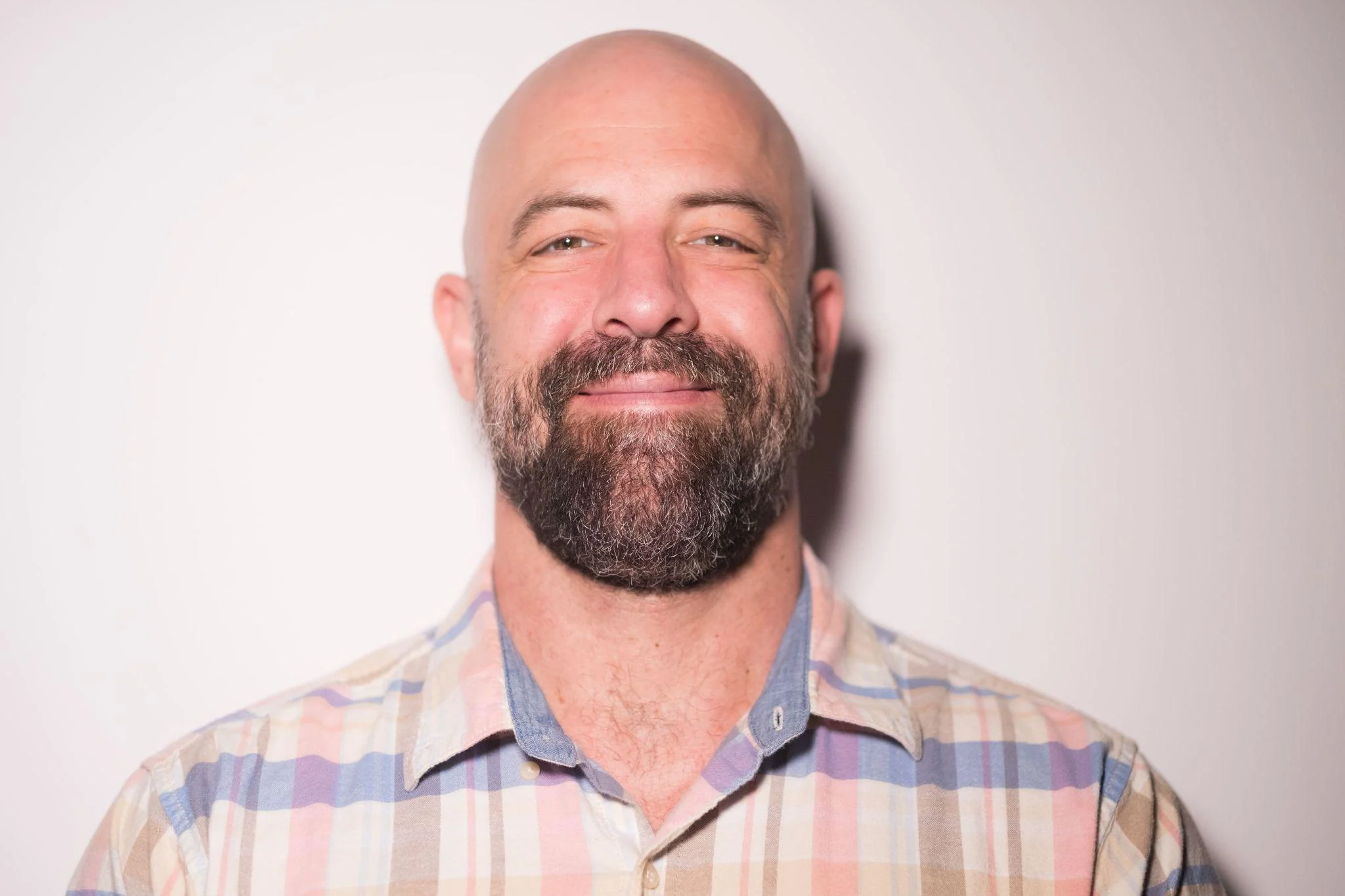
Dr. Leigh Beveridge did not build his career by chasing trends. He built it by staying curious and following ideas all the way through. From early life in Australia to senior roles in global biotechnology, his work reflects a steady focus on how good science becomes real medicine.
“I was never interested in just knowing the answer,” he says. “I wanted to know how the answer held up once real people and real systems were involved.”
That question has guided his path through medicine, hematology, and drug development. It has also shaped his reputation as a leader who brings structure to complex problems.
Early Life in Australia and the Roots of Systems Thinking
Dr. Beveridge grew up in Australia in a household shaped by two different ways of thinking. One parent worked in education. The other worked in technical fields. Together, they valued curiosity, discipline, and careful observation.
As a child, he spent time reading, drawing, running science experiments, and watching how people behaved. He entered science and writing competitions without much concern for outcomes.
“At the time, it didn’t feel like preparation,” he says. “I was just trying to understand how things fit together.”
That instinct led him into accelerated schooling and later biomedical science at Monash University, where he earned academic honors. He went on to complete medical school at the University of Tasmania, again graduating with distinction.
Medical Training and Bigger Questions About Impact
After medical school, Dr. Beveridge trained and worked in hematology and internal medicine. The work grounded him in patient care and clinical realities.
But it also raised new questions.
“I kept noticing how many promising ideas struggled to move forward,” he recalls. “The science was strong, but the path to patients wasn’t clear.”
That observation pushed him toward pharmaceutical and medical device development. He wanted to work where science met strategy. He later completed a Master of Medicine focused on development pathways and followed that with an MBA to better understand how decisions are made at scale.
“Understanding biology is critical,” he says. “Understanding systems is what lets biology help people.”
Leading Global Development at Servier
Dr. Beveridge’s move into global biotech leadership became clear during his time at Servier. As a Senior Medical Director, he led development work for pegylated asparaginase in acute lymphoblastic leukemia.
The role required careful coordination across regions, teams, and regulatory frameworks. It also required patience.
“There were moments when the data didn’t line up cleanly,” he says. “If you rushed, you missed important signals.”
One example stayed with him. A trial dataset showed uneven results until the team slowed down and re-examined patient subgroups.
“That pause changed how we understood the therapy,” he explains. “It reminded me that speed without clarity creates risk.”
The work helped support regulatory submissions, pediatric extensions, and investigator-led research.
Scaling Decision-Making at Genentech
Later, as Lead Medical Director at Genentech, Dr. Beveridge oversaw late-stage programs in hematologic and autoimmune diseases. The scale was larger. The pace was faster. The decisions carried wider impact.
“You’re balancing urgency with responsibility,” he says. “Every choice connects to years of work.”
During one program review, his team noticed a small subset of patients responding differently than expected. Instead of moving on, they stopped and asked why.
“That moment reshaped the strategy,” he says. “It taught me that leadership is often about knowing when not to rush.”
This approach became part of his leadership style. Teams were encouraged to explain thinking clearly and challenge assumptions early.
Teaching and the Discipline of Clear Thinking
Alongside industry leadership, Dr. Beveridge serves as a Graduate Teaching Assistant in the UC Davis MBA program. He mentors students in articulation and critical thinking.
“Teaching forces you to be honest about what you know,” he says. “If you can’t explain it simply, you don’t fully understand it.”
That principle carries into his professional work. Meetings focus on clarity. Documents are written to be understood, not admired.
“Complexity is unavoidable,” he adds. “Confusion is not.”
Advocacy, Mentorship, and Perspective
Beyond his formal roles, Dr. Beveridge has supported mentorship and inclusion efforts, particularly for LGBTQ+ professionals in STEM. He has volunteered as a counselor, radio presenter, and mentor.
“These roles remind you that work happens in a wider world,” he says. “Listening matters.”
Outside of work, he enjoys writing, dance, travel, and creative exploration. These pursuits help him reset and think differently.
“Creativity keeps you flexible,” he explains. “That’s important in any leadership role.”
A Career Defined by Follow-Through
Dr. Leigh Beveridge’s career shows how large ideas become real through patience, structure, and attention to detail. He has helped move therapies forward not by making noise, but by asking better questions and staying focused.
“Progress usually looks quiet,” he says. “But if you stay consistent, it compounds.”
In an industry shaped by complexity, his leadership stands out for its clarity. It offers a simple lesson: good ideas succeed when they are understood, supported, and followed through.