The Fashion Institute of Technology in New York stands as a significant institution, shaping the future of design, fashion, and business. It’s a place where creative minds gather to learn, innovate, and prepare for careers in dynamic industries. With a strong focus on blending education with real-world application, FIT offers a unique environment for students to grow and make their mark.
Key Takeaways
- New York’s Fashion Institute of Technology (FIT) is a leading school for design, fashion, and business.
- The DTech Lab at FIT is where students work on new ideas and solve industry problems using technology.
- FIT’s museum showcases fashion history and offers programs to learn more about it.
- Sustainability and new technologies are big parts of what students learn at FIT.
- Many graduates from FIT have become successful and influential in the fashion world.
New York’s Fashion Institute of Technology: A Hub of Innovation
The Fashion Institute of Technology (FIT) in New York City isn’t just a school; it’s a dynamic center where creative ideas are born and shaped into the future of fashion and design. It’s a place that really pushes the boundaries, bringing together students, faculty, and industry professionals to create something new. FIT is known for its forward-thinking approach, making sure its students are ready for whatever comes next in the fast-paced world of style and business.
The DTech Lab: Where Ideas Take Shape
At the heart of FIT’s innovative spirit is the DTech Lab. This isn’t your typical classroom. Here, students and faculty collaborate on real-world projects, using design thinking and the latest technology to solve problems the fashion industry faces. Think of it as a think tank for fashion. Projects have ranged from developing smart fabrics that can change color to creating more sustainable ways to produce clothing. It’s a space where theoretical knowledge meets practical application, allowing students to experiment and bring their most ambitious ideas to life.
Bridging Education and Industry Through Collaboration
FIT understands that learning doesn’t stop at the classroom door. The institute has built strong connections with businesses and organizations, creating opportunities for students to work on actual industry challenges. This collaboration is key to how FIT operates.
- Real-world problem-solving: Students get hands-on experience tackling issues faced by companies.
- Industry insights: Direct interaction with professionals provides invaluable knowledge.
- Networking opportunities: Building connections that can lead to future careers.
This approach ensures that what students learn is relevant and that they graduate with practical experience, not just a degree.
The institute’s mission is to prepare students for leadership roles in creative fields. They encourage breaking down barriers between different areas, fostering independent thought and teamwork to find new solutions that can make a lasting impact.
Embracing Sustainability in Fashion Design
Sustainability is no longer an option; it’s a necessity, and FIT is fully committed to integrating it into its curriculum and practices. The focus is on teaching students how to design and produce fashion in ways that are kinder to the planet.
- Eco-friendly materials: Learning about and using recycled and sustainable fabrics.
- Waste reduction: Implementing strategies to minimize waste in the design and production process.
- Conscious consumption: Educating students on the impact of fashion choices.
FIT is actively shaping a more responsible future for the fashion industry, one student project at a time.
Academic Excellence at New York’s Fashion Institute of Technology
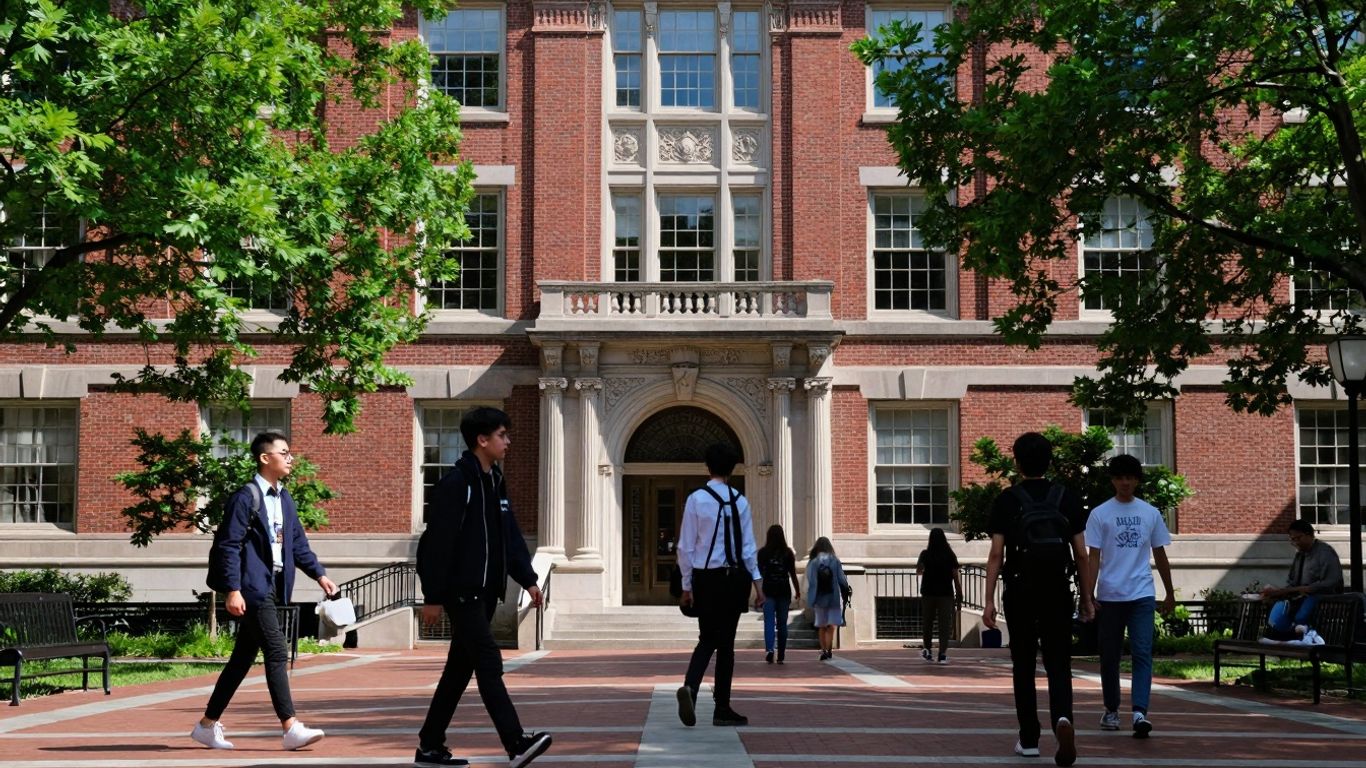
At the Fashion Institute of Technology (FIT), the academic programs are designed to be both rigorous and forward-thinking. The institution is committed to providing students with a strong foundation in their chosen fields while also preparing them for the dynamic nature of the fashion world. This means a curriculum that balances creative exploration with practical application, ensuring graduates are ready for the industry.
Fashion Design and Business Acumen
FIT’s approach to fashion education is unique because it doesn’t just focus on the creative side. Students learn to blend artistic vision with sharp business sense. Courses cover everything from advanced garment construction and digital patternmaking to brand strategy and market analysis. This dual focus is important because a successful career in fashion today requires more than just design talent; it demands an understanding of how to bring ideas to market effectively. The goal is to equip students with the skills to not only create beautiful garments but also to manage and grow a fashion enterprise. This integrated approach helps students see the bigger picture of the fashion industry.
Integrating Cutting-Edge Technology in Learning
Technology plays a big role in how students learn at FIT. The school makes sure students are familiar with the latest tools that are changing how fashion is made and sold. This includes things like 3D design software, which lets students visualize and alter garments digitally before they’re even cut. They also get hands-on experience with digital patternmaking and other software that streamlines the production process. Learning these technologies is key for students who want to work in modern fashion houses or tech-focused fashion startups. It’s about making sure that when they graduate, they can step into roles that require these digital skills right away. The DTech Lab is a prime example of this, where students work on real-world projects using advanced tech.
Preparing Students for Evolving Industry Demands
The fashion industry is always changing, and FIT works hard to keep its programs current. They pay close attention to new trends, like the growing importance of sustainability and ethical practices. Students learn about eco-friendly materials, responsible production methods, and how to reduce waste. This focus on sustainability is not just about being environmentally conscious; it’s also about meeting the demands of consumers and businesses who are increasingly prioritizing these values. FIT also emphasizes critical thinking and problem-solving, so graduates can adapt to new challenges and opportunities as they arise. This proactive approach ensures that FIT alumni are well-prepared to lead and innovate in the fashion world of tomorrow.
The curriculum at FIT is constantly reviewed and updated to reflect the latest shifts in the industry, from new materials to changing consumer behaviors. This ensures that students are always learning relevant skills and knowledge.
Here’s a look at some key areas of focus:
- Sustainability in Design: Learning about eco-friendly materials and production.
- Digital Tools: Mastering 3D design, CAD, and other industry-standard software.
- Business Strategy: Understanding marketing, branding, and global commerce.
- Innovation: Exploring new technologies and creative problem-solving.
FIT’s commitment to academic rigor, combined with its focus on practical skills and industry relevance, makes it a standout institution for aspiring fashion professionals. The education here is about more than just learning; it’s about preparing for a lifelong career in a field that’s always moving forward. Students who graduate from FIT are not just designers or business professionals; they are innovators ready to shape the future of fashion, much like the figures from the Renaissance era who used clothing to express identity.
The Museum at New York’s Fashion Institute of Technology: A Cultural Cornerstone

The Museum at FIT is more than just a place to see old clothes; it’s a vibrant center that celebrates fashion’s journey through time. It’s a unique spot in New York City, focusing entirely on fashion, textiles, and accessories. This museum acts as a vital link, connecting the past, present, and future of style.
Exploring Fashion’s Rich History Through Collections
Walking through the museum’s galleries feels like stepping into a living history book. You’ll find an amazing array of garments and accessories that tell stories from different eras. Think intricate historical pieces right alongside modern designs that pushed boundaries. Exhibitions here are thoughtfully curated, often highlighting specific themes or designers, giving visitors a real look into how fashion has evolved. It’s a place where you can really see the artistry and craftsmanship that goes into clothing.
Engaging Educational Programs and Workshops
Beyond the displays, the Museum at FIT offers a lot for people who want to learn more. They have programs and workshops designed for everyone, from students to the general public. These aren’t just lectures; many involve hands-on activities. You might get to try out historical techniques or explore how certain styles came to be. It’s a great way to get a deeper appreciation for fashion and its impact on culture. These programs really help bring the collections to life and make fashion history accessible.
Preserving Fashion’s Legacy for Future Generations
The museum plays a big part in keeping fashion history alive. By carefully collecting and preserving items, it becomes a go-to resource for students, researchers, and anyone interested in fashion. It’s about making sure that the incredible work of designers and the cultural significance of clothing aren’t forgotten. This commitment helps future generations understand and appreciate the art and business of fashion. It’s a responsibility they take seriously, ensuring that fashion’s story continues to be told.
The museum’s dedication to showcasing fashion’s past and present makes it an indispensable part of the educational experience at FIT, offering a tangible connection to the industry’s heritage and ongoing evolution. It serves as a constant source of inspiration and a critical resource for understanding fashion’s broader cultural context.
Student Life and Campus Experience at FIT
Vibrant Clubs and Organizations
Student life at the Fashion Institute of Technology (FIT) is a dynamic mix of academic pursuits and engaging extracurricular activities. The campus buzzes with energy, largely thanks to a wide array of student clubs and organizations. These groups provide fantastic avenues for students to connect with peers who share similar interests, develop new skills, and even gain leadership experience. Whether your passion lies in fashion design, business, art, or something else entirely, there’s a good chance you’ll find a community to join.
Some of the active groups include:
- The Fashion Design Club: A space for students to explore design concepts, share techniques, and collaborate on creative projects.
- The Entrepreneurs’ Collective: Aimed at students interested in the business side of fashion, offering workshops and networking opportunities.
- The Art & Photography Society: A hub for visual artists to connect, critique work, and organize exhibitions.
- The Sustainability Alliance: Focused on promoting eco-conscious practices within the fashion industry and on campus.
These organizations are more than just social outlets; they are integral to the FIT experience, helping students build networks and explore their interests beyond the classroom.
State-of-the-Art Campus Facilities
FIT boasts impressive facilities designed to support its students’ academic and personal growth. The David Dubinsky Student Center serves as a central gathering place, equipped with spaces for club meetings, events, and casual student interaction. For those seeking cultural enrichment, the Morris W. and Fannie B. Haft Theater hosts a variety of performances, lectures, and film screenings throughout the academic year.
Beyond these social and cultural hubs, students have access to:
- Extensive library resources with specialized fashion and art collections.
- Modern computer labs with industry-standard software.
- Dedicated studios and workshops for various creative disciplines.
- Fitness centers to support physical well-being.
These resources are thoughtfully provided to ensure students have everything they need to succeed both academically and personally during their time at FIT.
Immersing in the New York City Experience
Being a student at FIT means being situated in the heart of New York City, a location that profoundly shapes the college experience. The city itself becomes an extension of the campus, offering endless opportunities for inspiration, exploration, and real-world learning. From world-class museums and galleries to diverse neighborhoods and iconic landmarks, the urban environment provides a rich backdrop for student life.
The proximity to global fashion houses, industry events, and a vibrant cultural scene means that learning at FIT extends far beyond the classroom walls. Students are encouraged to explore, observe, and engage with the city, drawing inspiration from its energy and diversity to inform their creative work and career aspirations.
Navigating the city is made accessible through New York’s extensive public transportation system, allowing students to easily visit different boroughs, attend industry events, or simply enjoy the unique character of each neighborhood. This constant immersion in a global center of fashion and culture is a defining aspect of the FIT student journey.
Career Pathways and Alumni Success at FIT
Dedicated Career Services and Support
FIT really puts a lot of effort into helping students figure out what comes next after graduation. Their career services team is there to guide you through the whole process. They offer workshops on how to write a resume that actually gets noticed and even run mock interviews so you can practice your responses. It’s all about making sure you feel ready to step into the professional world. They also work hard to build connections with companies in the fashion industry, which can open up a lot of doors.
Inspiring Success Stories of Graduates
Looking at FIT alumni is pretty amazing. You see graduates who have gone on to do incredible things, from starting their own successful brands to landing big roles at well-known fashion houses. These stories show what’s possible when you combine talent with the education you get here. It’s not just about design; many alumni are making waves in fashion business, marketing, and even technology.
- Calvin Klein: Revolutionized American fashion with his minimalist aesthetic.
- Michael Kors: Built a global luxury sportswear empire.
- Nina Garcia: Became a leading voice in fashion journalism and trend forecasting.
- Reem Acra: Known for her elegant evening wear and bridal designs.
Leveraging Industry Connections for Growth
FIT understands that connections matter. The institute actively encourages students and alumni to network with people already working in the industry. They organize events where you can meet professionals, which can lead to internships or even job offers.
The network you build during your time at FIT is often just as important as the skills you learn in the classroom. These relationships can provide mentorship and open up opportunities that might not be visible otherwise.
This focus on real-world connections helps graduates transition smoothly into their careers and continue to grow throughout their professional lives.
The Legacy and Influence of New York’s Fashion Institute of Technology
Notable Alumni Shaping the Fashion Landscape
New York’s Fashion Institute of Technology (FIT) has a long history of shaping the fashion world, and a big part of that is the people who have walked its halls. Think of names like Calvin Klein, Michael Kors, and Ralph Rucci – they all started their journeys at FIT. These aren’t just designers; they’ve created entire brands and styles that have changed how we think about clothing. It’s pretty amazing to consider how many influential figures in fashion, from designers to editors like Nina Garcia, have come from this one institution. FIT doesn’t just teach fashion; it cultivates the very people who go on to define it.
FIT’s Role in Setting Fashion Trends
FIT has a unique position in the fashion industry. It’s not just a place where students learn about trends; it’s often where new ones begin. The school encourages a spirit of trying new things, whether that’s with different materials or new ways of making clothes more sustainable. This focus on innovation means that FIT graduates often come out ready to lead, not just follow. They are equipped with both traditional skills and the latest tech knowledge, making them well-prepared for whatever the fashion world throws at them.
Key Historical Milestones and Evolution
Founded back in 1944, FIT has grown a lot. It started with just 100 students and has become a major campus with thousands of students each year. A big moment was the opening of the Museum at FIT in 1969, which added a cultural and historical dimension to the school. More recently, the school has really leaned into technology, expanding programs that use digital tools and new tech. This shows how FIT keeps adapting.
Here are a few key moments:
- 1944: FIT is established, aiming to fill a need for skilled workers in the garment industry.
- 1969: The Museum at FIT opens its doors, becoming a significant center for fashion history and display.
- 2000s onwards: A significant push to integrate technology into the curriculum, reflecting industry changes.
FIT’s journey from its beginnings to its current status as a global leader highlights a consistent commitment to preparing students for the future of fashion. It’s a place that respects its past while constantly looking ahead.
This evolution shows FIT’s dedication to staying relevant and leading the way in fashion education.
A Look Ahead
As we’ve seen, the Fashion Institute of Technology in New York is more than just a school; it’s a dynamic center where creativity, technology, and business come together. From its innovative DTech Lab, where students tackle real industry problems, to its strong focus on sustainability and forward-thinking courses, FIT is clearly preparing its students not just for jobs, but for leadership roles in the ever-changing fashion world. The institute’s blend of hands-on experience, industry connections, and a commitment to new ideas ensures that FIT graduates are well-equipped to make their mark. It’s a place that truly shapes the future of fashion, one student at a time.
Frequently Asked Questions
What is the Fashion Institute of Technology (FIT)?
FIT is a well-known college in New York City that teaches students about art, design, business, and technology, especially as they relate to the fashion world. It’s a place where creative ideas meet real-world skills.
Who are some famous people that went to FIT?
Many famous designers and fashion leaders studied at FIT. Some of the most well-known include Calvin Klein, Michael Kors, and Nina Garcia, who have all made a big impact on the fashion industry.
What is the DTech Lab at FIT?
The DTech Lab is a special place at FIT where students and teachers work together on new ideas and solve problems using technology. It’s like a workshop where they invent the future of fashion by creating new products and ways of doing things.
What can I see at the Museum at FIT?
The Museum at FIT has a large collection of clothes, fabrics, and accessories from different times. It shows off fashion history through interesting displays and also offers classes and workshops to help people learn more about fashion.
Does FIT focus on being eco-friendly?
Yes, FIT cares a lot about being green. They teach students how to use better materials, reduce waste, and create fashion in ways that are kinder to the planet. Sustainability is a big part of what they do.
How does FIT help students get jobs?
FIT has a career services team that helps students get ready for jobs by offering advice, practice interviews, and workshops. They also have strong connections with fashion companies, which helps graduates find great career opportunities.