In today’s world, technology is everywhere, and schools are no exception. We’re seeing more and more computers, tablets, and online tools in classrooms. This essay looks at the good things about using technology for students, exploring how it can make learning better and help them get ready for what comes next. It’s about how these tools can open up new ways to learn and connect.
Key Takeaways
- Technology gives students access to tons of information and learning materials beyond just books.
- It helps students learn at their own speed and become more independent learners.
- Using tech can make lessons more interesting and interactive, grabbing students’ attention.
- Students can work together on projects and connect with others from all over the world.
- Learning with technology prepares students with the digital skills they’ll need for future jobs.
Expanding Access to Educational Resources
In today’s world, technology has fundamentally changed how students can get information. It’s like having a massive library right at your fingertips, available anytime, anywhere. This shift means learning isn’t confined to the classroom walls or the pages of a single textbook anymore. The sheer volume of digital content available has democratized education, offering opportunities to learners who might have previously faced significant barriers.
A World of Information at Your Fingertips
Gone are the days when research meant hours spent in a physical library, sifting through card catalogs. The internet provides instant access to a vast array of knowledge. Students can explore topics in depth through online encyclopedias, academic journals, and news archives. This immediate availability of information supports curiosity and allows for quick fact-checking, making the learning process more dynamic and responsive. It’s a powerful tool for anyone looking to understand the world around them better.
Beyond Traditional Textbooks
Traditional textbooks, while still useful, are often static and can quickly become outdated. Technology offers a more vibrant alternative. Digital textbooks, or e-books, can include interactive elements like videos, quizzes, and links to external resources. Many online platforms provide free or low-cost educational materials, reducing the financial burden of expensive physical books. This digital shift also means that information can be updated in real-time, keeping students informed about the latest developments in any given field. This move towards digital resources is a significant step in making education more current and accessible.
Enriching Learning Through Diverse Materials
Technology allows educators and students to tap into a wide range of learning materials that cater to different styles and preferences. Beyond text, students can engage with educational videos, podcasts, interactive simulations, and virtual reality experiences. These diverse formats can make complex subjects more understandable and engaging. For instance, a history lesson might include virtual tours of ancient sites, or a science class could use simulations to demonstrate chemical reactions. This variety not only makes learning more interesting but also helps students connect with the material on a deeper level, supporting a more robust understanding of concepts.
The digital age has truly opened up a universe of learning possibilities. Students are no longer limited by the physical resources available in their immediate environment. This expanded access means that a student in a rural village can potentially access the same quality of information as a student in a major city, provided they have an internet connection.
Cultivating Independent and Self-Paced Learning
Empowering Students to Take Ownership
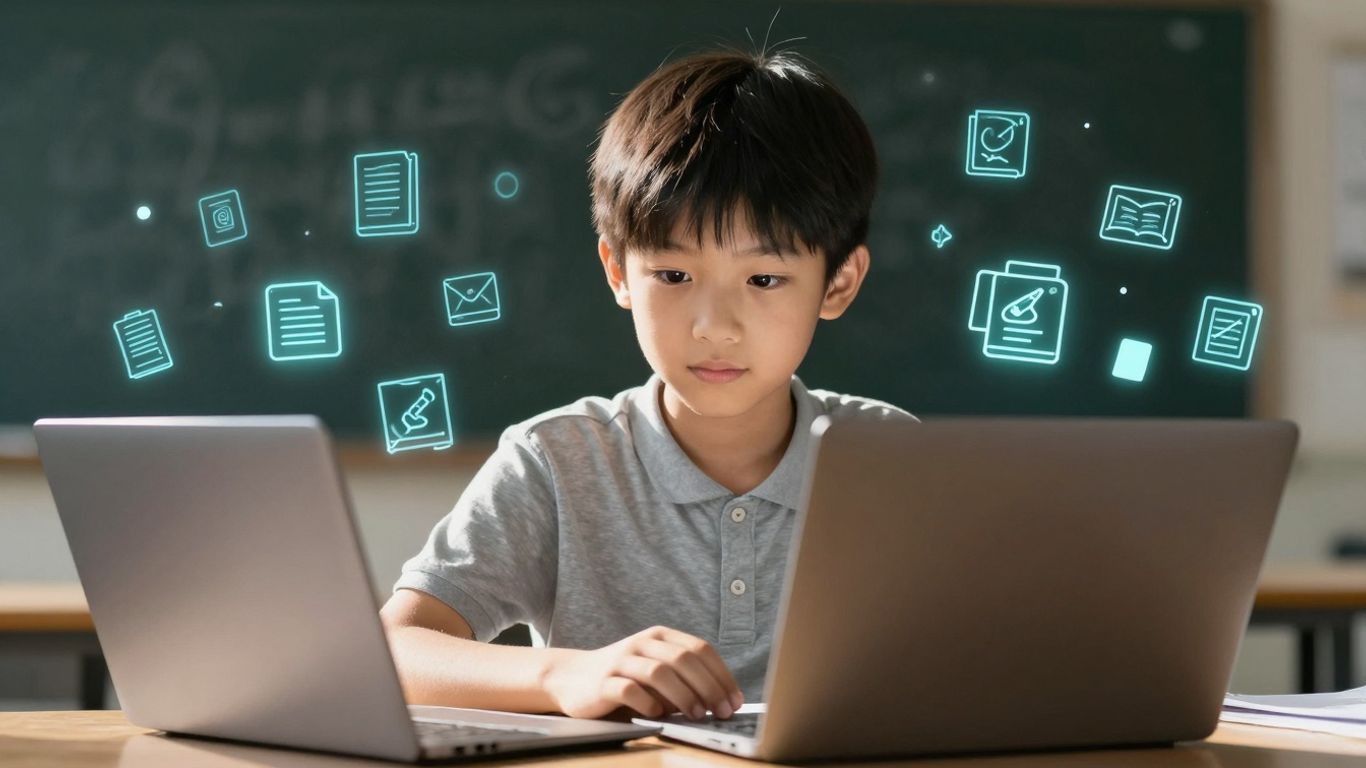
Technology gives students more control over how and when they learn. Instead of a one-size-fits-all approach, digital tools allow individuals to explore subjects at their own speed. This means a student who grasps a concept quickly can move ahead, while another who needs more time can revisit the material without feeling rushed or left behind. This shift from passive reception to active engagement is key to developing self-reliance. Online platforms often provide resources like recorded lectures, interactive exercises, and supplementary readings that students can access anytime, anywhere. This accessibility means learning isn’t confined to the classroom hours; it becomes a continuous process driven by the student’s own curiosity and needs.
Developing Critical Thinking and Self-Control
When students are given the freedom to manage their learning path, they naturally start to develop important life skills. They have to figure out what they need to learn, how best to approach it, and when to seek help. This process requires a good deal of self-discipline and the ability to make good choices about their study habits. For instance, a student might choose to watch a video explanation multiple times or try out practice problems until they feel confident. This isn’t just about memorizing facts; it’s about understanding how to learn effectively and managing one’s own progress. It builds a sense of responsibility for their educational journey.
Fostering a Lifelong Love for Learning
By allowing students to learn at their own pace and explore topics that genuinely interest them, technology can make learning a more enjoyable and rewarding experience. When students feel a sense of accomplishment and control over their education, they are more likely to develop a positive attitude towards learning that extends beyond school. This can lead to a natural curiosity and a desire to keep learning new things throughout their lives. It transforms learning from a chore into an adventure.
The ability to learn independently and at one’s own speed is becoming increasingly important. Technology provides the tools and flexibility for students to build these skills, setting them up for success not just in their academic careers, but in their future professional lives as well. It’s about learning how to learn, a skill that never goes out of style.
Enhancing Engagement and Interactive Learning
Technology has really changed how students learn, making lessons much more interesting and hands-on. It’s not just about reading from a book anymore; it’s about actively participating and exploring. This shift helps students connect with the material in new ways, making learning feel less like a chore and more like an adventure.
Transforming Lessons into Engaging Experiences
Think about a history lesson. Instead of just reading dates and names, imagine students taking a virtual tour of ancient Rome or watching a documentary that brings the era to life. Technology makes these kinds of experiences possible. It allows teachers to move beyond traditional lectures and create dynamic lessons that capture students’ attention. This can involve using videos, simulations, or even virtual reality to show concepts in action. When students can see and interact with the subject matter, they tend to remember it better and find it more enjoyable.
Interactive Platforms and Multimedia
Many digital tools are designed to be interactive. Educational apps, online quizzes, and interactive whiteboards give students immediate feedback and allow them to practice skills repeatedly. Multimedia elements, like videos, animations, and audio clips, can explain complex ideas in simple terms and cater to different learning preferences. For instance, a student who struggles with reading might grasp a concept more easily through a visual explanation or an animated demonstration. This variety helps keep students focused and involved.
Stimulating Interest Through Gamified Elements
Who doesn’t like a little competition or a sense of achievement? Gamification in education uses game-like features, such as points, badges, and leaderboards, to motivate students. Educational games can turn practice exercises into fun challenges. This approach taps into students’ natural desire to play and succeed, making them more eager to learn and complete tasks. It’s a smart way to encourage participation and perseverance, especially with subjects that might otherwise seem dry or difficult.
The key here is making learning an active process rather than a passive one. When students are actively involved, whether through interaction, exploration, or friendly competition, their interest naturally grows, leading to a more positive and effective learning experience.
Fostering Collaboration and Global Connectivity
Breaking Down Geographical Barriers
Technology has really changed how students can work together. Gone are the days when group projects meant everyone had to be in the same room at the same time. Now, with tools like shared documents, video conferencing, and online project management platforms, students can connect and contribute from anywhere in the world. This means a student in one city can easily team up with classmates across the country, or even on different continents. It opens up possibilities for diverse perspectives and a richer exchange of ideas that simply weren’t practical before.
Developing Teamwork and Communication Skills
Working on projects with others, especially when you’re not physically together, really pushes you to get better at communicating. You have to be clear about your ideas, listen to others, and find ways to resolve disagreements constructively. Online tools often require students to articulate their thoughts more precisely, whether through written comments, video messages, or during live calls. This practice is incredibly useful for developing the kind of teamwork and clear communication that employers look for.
Connecting with Peers Worldwide
Beyond just classmates, technology allows students to connect with a much wider network of learners. They can join online forums, participate in international study groups, or even collaborate on open-source projects. This exposure to different cultures and ways of thinking is invaluable. It helps students develop a broader understanding of the world and appreciate diverse viewpoints. This global interaction prepares them to be more adaptable and aware citizens in an increasingly interconnected society.
Here’s a quick look at how different tools support this:
- Video Conferencing: For real-time discussions and face-to-face interaction, bridging distances.
- Cloud-Based Document Sharing: Allowing multiple users to edit and comment on the same file simultaneously.
- Online Forums and Discussion Boards: For asynchronous communication and sharing ideas over time.
- Collaborative Whiteboards: Visualizing ideas and brainstorming together in a shared digital space.
The ability to collaborate effectively across distances is no longer just a bonus; it’s becoming a standard expectation in many fields. Technology provides the infrastructure for students to build these skills early on.
Preparing Students for a Digital Future
Equipping Students with Essential Digital Literacy
In today’s world, knowing how to use a computer or a smartphone is just the beginning. Students need to develop a solid understanding of digital tools and how to use them effectively and responsibly. This means more than just knowing how to type an essay or send an email. It involves understanding how to find reliable information online, how to protect their personal data, and how to communicate clearly in digital spaces. Think of it like learning a new language; the sooner students start, the more fluent they become.
Navigating the Demands of the Modern Workforce
The jobs of tomorrow will look very different from the jobs of today. Many careers will require a strong foundation in technology. Students who are comfortable using various software, collaborating online, and adapting to new digital tools will have a significant advantage. This isn’t just about technical skills; it’s also about problem-solving and critical thinking, which are often honed through digital projects and research. The ability to learn and adapt to new technologies is perhaps the most important skill of all.
Adapting to an Ever-Evolving Technological Landscape
Technology changes at a rapid pace. What’s cutting-edge today might be outdated in a few years. Education needs to prepare students not just for the technology they use now, but also for the technology they will encounter in the future. This means encouraging curiosity and a willingness to learn new things. It’s about building a mindset that embraces change and sees new technological developments as opportunities rather than obstacles.
- Learning to use cloud-based collaboration tools.
- Understanding basic cybersecurity principles.
- Developing the ability to troubleshoot common technical issues.
- Practicing effective online communication etiquette.
Creating Inclusive and Accessible Learning Environments
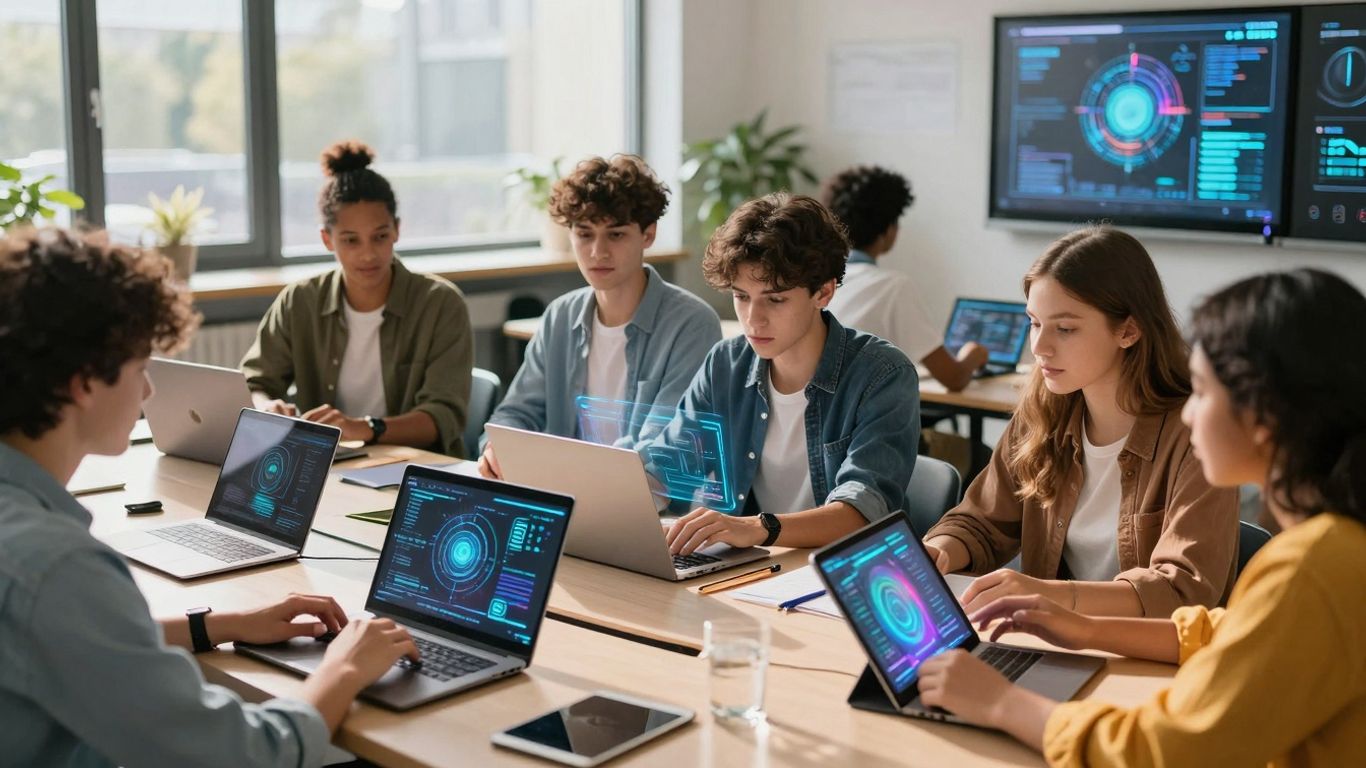
Technology has opened up new avenues for making education available to everyone, regardless of their background or abilities. It’s about leveling the playing field so all students have a fair shot at learning and succeeding. This shift is fundamentally about equity in education.
Supporting Diverse Learning Needs
Not all students learn the same way. Some grasp concepts best through reading, others by listening, and many through hands-on activities. Technology can cater to these different styles. For instance, digital content can be presented in multiple formats – text, audio, video, and interactive simulations. This variety means students can engage with material in a way that best suits them. Adaptive learning platforms are particularly good at this, adjusting the difficulty and pace of lessons based on a student’s performance. This way, students who need more time can get it, and those who are ready to move ahead aren’t held back. It’s about meeting students where they are.
Utilizing Assistive Technologies
For students with disabilities, technology can be a game-changer. Assistive technologies are tools designed to help individuals overcome challenges. Think about screen readers that convert text to speech for visually impaired students, or specialized keyboards and software that help students with motor difficulties to type and communicate. Speech-to-text software can aid students who struggle with writing, while captioning on videos benefits those who are deaf or hard of hearing, and also helps many others who simply prefer to read along. These tools aren’t just helpful; they are often necessary for these students to fully participate in learning activities and access the same information as their peers. The goal is to remove barriers so learning is possible for everyone.
Ensuring Equitable Access to Educational Tools
While technology offers many benefits, we must also consider how to make sure all students can actually use these tools. This means addressing the digital divide – the gap between those who have access to technology and the internet and those who don’t. Schools and communities need to work together to provide devices, reliable internet access, and training for both students and educators. It’s not enough to have advanced software if a student can’t get online at home to use it. Making sure every student has the necessary resources is key to truly inclusive education. We need to think about how to provide these tools, perhaps through school-provided devices or community Wi-Fi initiatives, so that technology truly serves to broaden access rather than widen existing gaps. This is a complex challenge, but one that is vital for creating a fair educational system for all. You can find more information on how academic leaders approach these challenges in educational institutions.
Conclusion
So, looking at everything, technology in schools is a pretty big deal. It opens up a whole world of information and helps students learn in ways that just weren’t possible before. Plus, it gets them ready for the future, which is definitely going to be digital. But, we also have to remember it’s not perfect. Things like distractions and making sure everyone has a fair shot at using it are real challenges. It’s all about finding that sweet spot – using tech to make learning better without letting it take over or leave anyone behind. When used the right way, technology can really make a difference for students.
Frequently Asked Questions
How does technology help students learn more things?
Technology gives students access to tons of information online, like videos, articles, and interactive lessons. It’s like having a giant library and a helpful tutor right at your fingertips, making it easier to understand different subjects and explore topics you’re curious about.
Can technology make learning more fun?
Yes, definitely! Instead of just reading from a book, technology lets students use fun apps, watch interesting videos, and play learning games. This makes lessons more exciting and helps students pay attention better.
Does using technology help students work together?
Absolutely. Tools like video calls and shared online documents allow students to work on projects together, even if they’re in different places. This helps them learn to share ideas and solve problems as a team.
How does technology prepare students for jobs in the future?
Most jobs today and in the future involve technology. By using computers, learning new software, and communicating online for school, students gain important skills that employers look for, making them ready for the modern workplace.
Can technology help students who learn differently?
Yes, technology can be a great help! It offers tools like text-to-speech or special software that can make learning easier for students with different needs. It helps make sure everyone has a chance to learn and succeed.
Is it always good for students to use technology for school?
While technology offers many great benefits, it’s important to use it wisely. Sometimes, students can get distracted by games or social media instead of focusing on schoolwork. Also, not everyone has the same access to technology, which can create unfairness. Finding a good balance is key.