
The need for efficient home office spaces has never been more critical. Many people find themselves working from home due to the pandemic or personal preference, making the idea of converting underutilized areas into efficient workspaces a priority.
Small rooms, awkward corners, or even closets can be transformed into functional offices that inspire productivity and creativity. With thoughtful planning and creativity, you can carve out a productive area that fits seamlessly into your daily routine.
Assessing Your Available Space
The first step in creating a functional home office in a small space is to assess the areas you have available. Take a close look at rooms in your house that may be underutilized, such as a guest room or a section of your living room.
Finding unused or seldom-accessed spaces can provide perfect opportunities for a small home office setup. Consider corners where furniture is positioned inefficiently, spaces that may have been left empty after rearranging, or even open areas in the hallway that could accommodate a compact desk. You might be amazed at the potential your small areas can offer.
Choosing the Right Furniture
Choosing the correct furniture is crucial in transforming small spaces into functional offices. Focus on selecting pieces that are stylish and practical, and space-saving. Consider a fold-out desk that can be tucked away when you’re not working.
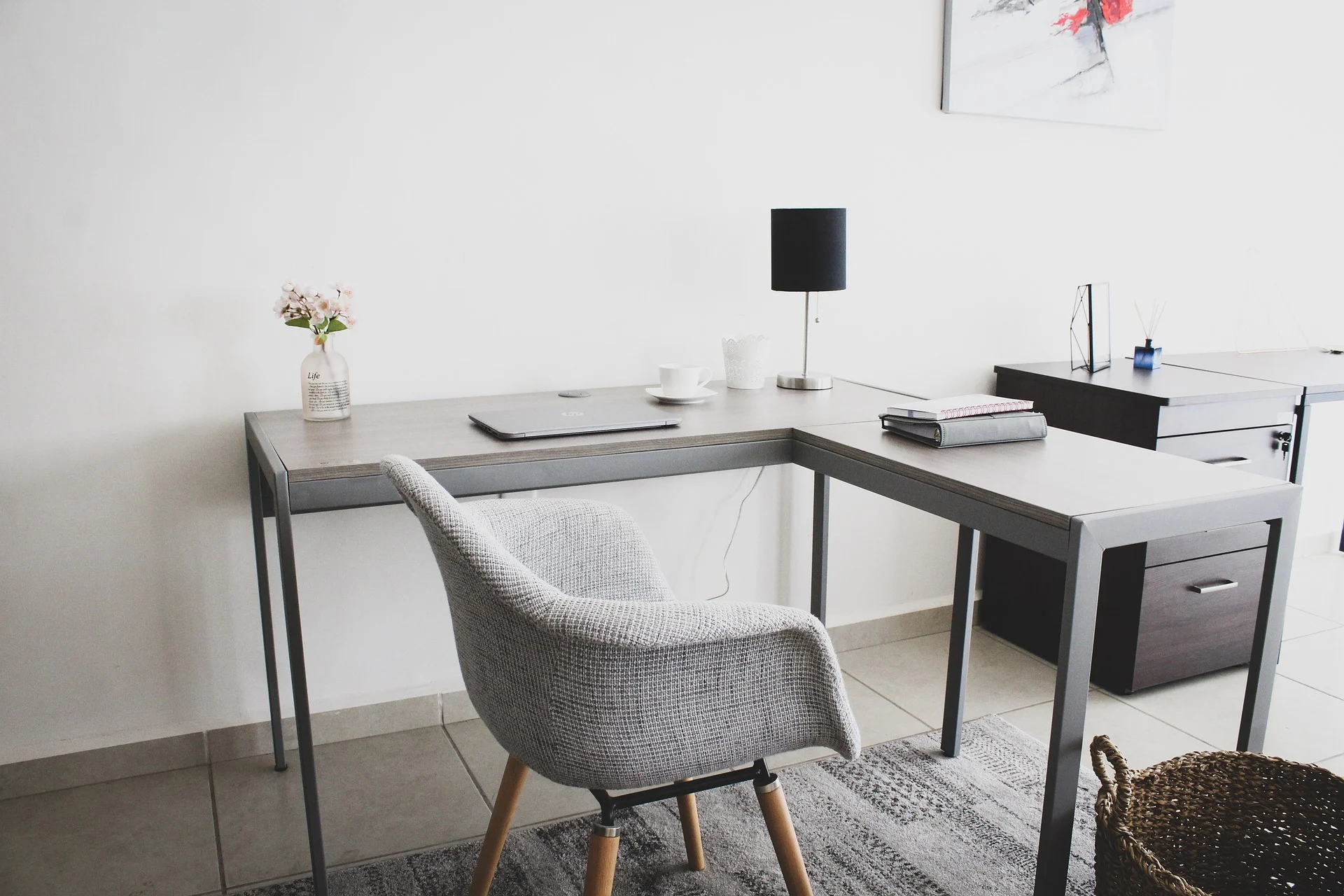
You could opt for a corner desk that efficiently utilizes those neglected edges of the room. Ergonomic chairs are important for comfort, particularly during long work hours.
Storage solutions such as shelves that extend vertically can minimize floor space usage while keeping your work area organized and clutter-free. It’s always wise to read more from experts trained to help bring your vision to life. They ensure that your setup is as functional as it is aesthetically pleasing.
Utilizing Vertical Space
When working with limited square footage, utilizing vertical space can significantly enhance the functionality of your workspace. Wall-mounted shelves are a great way to store books, office supplies, or decorative items without consuming valuable floor space.
Pegboards can serve as versatile solutions that allow for customizable configurations of hanging items such as stationery, plant pots, or tools. By maximizing the vertical dimensions of your space, you keep the area organized and create an illusion of more room, which can make small spaces feel more open and inviting. Adding personal elements like artwork or inspirational quotes can help to foster a productive atmosphere.
Lighting Considerations for Small Office Spaces
Proper lighting is a crucial aspect when designing a small office area. Natural light is ideal as it can help improve mood and productivity, so try to position your desk near windows if possible.
If natural light isn’t an option, consider incorporating task lighting such as stylish desk lamps or floor lamps with adjustable brightness. The right lighting can reduce eye strain and fatigue, resulting in longer, more productive work hours.
Lighting choices can serve as architectural elements that enhance the aesthetics of the office, providing both functionality and personality to your space. Thoughtfully layered lighting can make compact areas feel larger and more inviting. By selecting fixtures that complement your style and needs, you create a workspace that is both efficient and visually uplifting.
Creating Boundaries in Open Spaces
In open-plan homes, creating distinct boundaries for your workspace can help you switch between work and home modes effectively. Room dividers can come in various forms, such as curtains, screens, or bookcases, allowing you to define your work area visually.
These dividers can serve a dual purpose by providing additional storage. The goal is to create a sense of separation that minimizes distractions while maintaining an open feel.
Even specific floor placements, such as rugs under your desk, can help to identify the workspace zone. This way, you are less likely to get sidetracked by the daily household flow.
Personalizing Your Home Office
To encourage inspiration and creativity, personalization is key in small home office design. Incorporating elements that reflect your personality can make your workspace more comfortable and stimulating.
Think of unique decor items, colors that inspire positivity, or organizational tools that resonate with you. Plants are an excellent choice, bringing life and a touch of nature into the space, which has been shown to reduce stress levels and promote a soothing atmosphere.
A vision board that displays your goals, aspirations, or art can serve as a constant source of motivation while you work. By making small but impactful changes, you create a space that feels uniquely yours.
Maintaining Organization and Clutter Control
Keeping your small office organized is key to maintaining productivity. Regular declutter sessions can help you determine what items should stay and what can be donated or disposed of. Implementing designated storage solutions tailored for small spaces ensures everything remains accessible while minimizing clutter.
Small touches like cable organizers can keep cords from tangling and create a neater appearance. Establishing daily habits, such as putting things back in their place after use or allocating specific areas for certain items, can greatly contribute to the long-term organization of your workspace. Efficient storage fosters a clean work environment that allows you to fully focus on your responsibilities.

Maximizing Technology for Small-Space Efficiency
In compact home offices, the right technology can greatly improve functionality without overwhelming the area. Opt for wireless devices such as keyboards, mice, and printers to reduce cord clutter and maintain a clean, streamlined workspace.
Utilizing cloud-based storage allows you to minimize the need for bulky filing cabinets, keeping documents accessible while saving valuable space. Compact multi-purpose gadgets, like all-in-one printers or slim monitors, can help conserve space without sacrificing performance. By incorporating smart, space-conscious tech solutions, you ensure that even the smallest workspace operates efficiently and supports your productivity throughout the day.
Transforming small spaces into functional home office areas is a manageable task that requires creativity, careful assessment, and strategic planning. From finding the right furniture and utilizing vertical space to incorporating personal touches and maintaining organization, every element plays a significant role in successful small office design. With the right approach, you can create an inspiring work environment that enhances your productivity and fits harmoniously within your home.











