The Massachusetts Institute of Technology, often called MIT, is a place that really sparks the imagination. It’s not just a university; it’s a whole world focused on science, new ideas, and making things work. People from everywhere want to see what goes on there. This guide helps you look around MIT, from its interesting buildings to the life on campus and the areas nearby. You’ll get a sense of what makes the institute massachusetts technology so famous.
Key Takeaways
- The Massachusetts Institute of Technology is a top spot for science and new thinking, known globally.
- MIT’s buildings are quite something, with famous spots like the Great Dome and the unusual Stata Center.
- The MIT Museum shows off the school’s research and history with exhibits you can actually interact with.
- Life on campus is busy, with lots of student activities, art around the grounds, and a strong sense of working together.
- The areas around MIT, like Kendall Square, are buzzing with tech companies and startups, showing innovation everywhere.
Discovering the Massachusetts Institute of Technology
A Global Center for Science and Innovation
Welcome to the Massachusetts Institute of Technology, or MIT, a place that’s much more than just a university. Situated in Cambridge, Massachusetts, right across the Charles River from Boston, MIT is a global center for learning, research, and, well, making things happen. Since its founding in 1861, it’s been a driving force in science, technology, and engineering, constantly pushing the boundaries of what’s possible. MIT is famous for its groundbreaking work, acting as a place where ideas are born and then turned into reality. Researchers and students here are involved in everything from developing new artificial intelligence to exploring the frontiers of biology and space. It’s this relentless pursuit of knowledge and problem-solving that makes MIT a truly special place. The institute has a long history of contributing to society, often focusing on challenges that benefit the public.
The "Mind and Hand" Philosophy in Practice
MIT’s educational approach is deeply rooted in its motto, "Mens et Manus," which translates to "Mind and Hand." This philosophy emphasizes the importance of both theoretical knowledge and practical application. It’s not enough to simply understand a concept; at MIT, the goal is to build, create, and innovate with that knowledge. This hands-on approach is evident across all departments, encouraging students to engage directly with their fields through projects, labs, and research.
Here’s how the "Mind and Hand" philosophy comes to life:
- Project-Based Learning: Many courses require students to complete tangible projects, allowing them to apply classroom learning to real-world challenges.
- Research Opportunities: Undergraduates are actively encouraged to participate in research alongside faculty, gaining invaluable experience in scientific inquiry and discovery.
- Innovation Spaces: The campus is equipped with numerous labs, maker spaces, and studios where students can experiment, prototype, and bring their ideas to fruition.
This integration of theory and practice means that MIT graduates are not just thinkers, but doers, prepared to tackle complex problems with both intellect and skill.
Driving Ideas from Concept to Reality
MIT is renowned for its ability to translate groundbreaking research into tangible innovations that impact the world. The institute has a robust ecosystem designed to support the journey of an idea from its initial conception to a fully realized product or solution. This process often involves interdisciplinary collaboration, where experts from different fields come together to solve complex problems.
Key aspects of this innovation pipeline include:
- Venture Incubation: Programs and resources are available to help students and faculty develop their ideas into viable businesses.
- Industry Partnerships: Strong ties with industry leaders facilitate the transfer of technology and knowledge, accelerating the path to market.
- Entrepreneurial Culture: A pervasive spirit of entrepreneurship encourages risk-taking and the pursuit of novel solutions.
MIT’s commitment to moving ideas forward is a testament to its role as a leading institution in driving technological and scientific progress.
Architectural Marvels and Campus Landmarks
Walking around the MIT campus is an experience in itself. You’ll find a fascinating mix of historic structures and buildings that look like they belong in the future. It’s a place where the design often reflects the innovative spirit of the people inside.
The Iconic Great Dome and Killian Court
Perhaps the most recognizable symbol of MIT is the Great Dome. This impressive structure sits atop the main building and houses the Institute’s extensive library collection. Right next to it is Killian Court, a beautiful, open green space. This is where MIT holds its commencement ceremonies each year, making it a spot steeped in tradition and celebration. Standing in Killian Court and looking up at the Great Dome is a classic MIT moment. It’s a popular place for photos and a quiet spot to take a break.
The Striking Design of the Stata Center
The Stata Center is a prime example of modern, unconventional architecture. Designed by architect Frank Gehry, its appearance is quite distinctive, with unusual shapes, angled walls, and a colorful exterior. Inside, it’s home to various academic departments and research labs. The building is also known for its "hacks," which are elaborate pranks or installations often created by students. These displays offer a fun glimpse into the playful side of this serious academic institution.
A Campus Adorned with Public Art
MIT’s campus isn’t just about buildings; it’s also dotted with a variety of public art installations. These pieces often highlight the connection between art, science, and technology. You’ll find everything from large sculptures to smaller, thought-provoking works scattered throughout the grounds. They add another layer of visual interest and creativity to the environment, making a stroll across campus a continually engaging experience.
The architecture and art on campus are more than just decoration; they serve as constant reminders of the creativity and forward-thinking mindset that MIT cultivates. They create an environment that is both stimulating and inspiring for students, faculty, and visitors alike.
The MIT Museum: A Gateway to Innovation
Showcasing a Legacy of Scientific Excellence
The MIT Museum is more than just a building filled with old things; it’s a dynamic space that really shows off the spirit of discovery and invention that MIT is known for. Located right in Cambridge, this museum acts like a doorway, giving people a look into the amazing work happening at one of the world’s top research places. It’s where the past, present, and future of science and technology all come together, making it a must-visit for anyone curious about how things work and where we’re headed.
From the very first computers to the newest in robotics and artificial intelligence, the museum follows the path of ideas. You can see how concepts that once seemed like science fiction have become real, all thanks to the constant curiosity and hard work of MIT’s students and professors. It’s a real example of what human cleverness can do and the drive to solve tough problems.
The museum serves as a vital bridge, connecting the public with the complex and exciting world of scientific and technological advancement. It demystifies innovation, making it accessible and inspiring for everyone who walks through its doors.
Interactive Exhibits for Engaging Exploration
What makes the MIT Museum special is how it encourages people to get involved. Forget boring displays behind ropes; here, you’re invited to touch, try things out, and play. The exhibits are made to be easy to understand, breaking down complicated science and tech ideas into experiences that are often fun and simple.
- Robotics: Get up close with robots, learn how they move, and even see them in action.
- Artificial Intelligence: Explore how AI is changing our world, from things we use every day to what might happen in the future.
- Holography: Discover the science and art behind 3D images and how they are used.
These interactive parts mean that visitors of all ages can connect with the subjects, sparking curiosity and a better appreciation for science and technology. It’s a place that makes you ask questions and want to explore more.
Robotics, AI, and the Future of Technology
The museum does a great job of highlighting MIT’s work in areas that are shaping our future. You can find exhibits that show off the latest in robotics, from simple machines to complex systems that can perform delicate tasks. It’s fascinating to see how these machines are developed and the potential they hold for industries like healthcare, manufacturing, and even space exploration.
Artificial intelligence is another big focus. The exhibits explain concepts like machine learning and neural networks in ways that are easy to grasp. You’ll see examples of AI in everyday life, like recommendation systems and voice assistants, and also get a glimpse into more advanced research that could lead to self-driving cars or advanced medical diagnostics. It’s a look at how MIT is not just studying the future, but actively building it.
Fostering Entrepreneurship and Student Ventures
Translating Discoveries into Real-World Impact
MIT doesn’t just focus on theoretical knowledge; there’s a strong push to turn new ideas into actual things people can use. This means taking research from the lab and making it into products, systems, or even whole new industries. It’s about making a difference in the world with what you learn and create here.
Resources for Innovators and Entrepreneurs
MIT has a whole network of support for students and faculty who want to start something new. Think of it as a launchpad for your ideas. You can find mentors, get advice, and connect with others who are also building their ventures. It’s a place where curiosity is encouraged, and the tools to act on that curiosity are readily available.
Here are some of the key places to check out:
- MIT InnovationHQ (iHQ): This is a central spot where students, faculty, and the wider Boston tech community can meet and share ideas.
- Martin Trust Center for MIT Entrepreneurship: Offers guidance and support for students looking to start businesses.
- Deshpande Center for Technological Innovation: Helps move new technologies from the lab into the marketplace.
- Venture Mentoring Service: Provides experienced mentors to help guide new ventures.
The Sandbox Innovation Fund Program
For students with a project idea, the Sandbox Innovation Fund Program is a significant resource. It’s designed to help get those early-stage projects off the ground. Students can apply for funding, typically between $1,000 and $25,000, to explore their concept and see if it can become a real-world solution. This program isn’t just about the money; it also comes with mentorship and support from within MIT to help guide the process from a simple idea to something with tangible impact.
The journey from a simple idea to a successful venture involves many steps. It requires not just a good concept, but also the grit to prototype, the willingness to learn from mistakes, and the ability to scale up when the time is right. MIT provides a structured environment to practice these skills.
Vibrant Campus Life and Community Spirit
Beyond Labs and Lectures: Student Activities
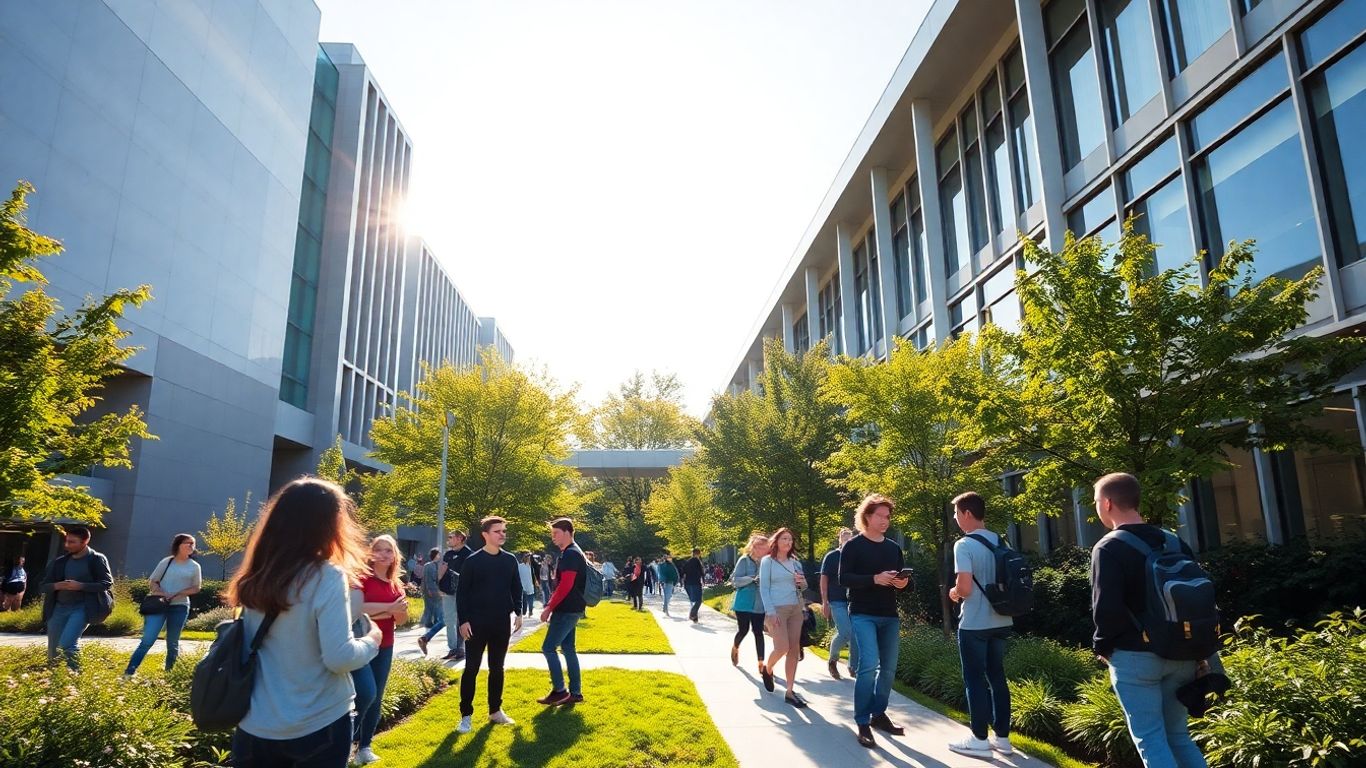
MIT isn’t just about intense study sessions and groundbreaking research; it’s also a place buzzing with student energy. You’ll find a huge variety of clubs and organizations here, covering pretty much any interest you can imagine. Whether you’re into building robots, coding the next big app at a hackathon, debating complex issues, or creating art, there’s a group for you. These activities are a big part of what makes MIT, well, MIT. They offer a way to balance the demanding academic work with fun and personal growth.
Collaboration and Community at MIT
It might seem like a place filled with intense individual focus, but collaboration is actually a cornerstone of the MIT experience. Students often work together on projects, share knowledge, and support each other through challenging coursework. This spirit of teamwork extends beyond academics, with many student groups and initiatives built on shared goals and mutual assistance. It creates a strong sense of belonging, even in such a large and demanding environment.
The culture here encourages sharing ideas and helping others succeed. It’s a place where you can find a study group for a tough class or a team for a startup idea, all within a supportive network.
The Energy of a Thriving Academic Environment
The atmosphere on campus is electric. You can feel the drive and passion from students and faculty alike. This isn’t just about getting good grades; it’s about making a difference and pushing boundaries. This collective energy fuels innovation and creates a unique environment where learning happens constantly, both inside and outside the classroom. It’s a place where curiosity is celebrated, and the pursuit of knowledge is a shared adventure.
Exploring the Innovation Ecosystem Beyond Campus

Kendall Square: A Hub of Technology and Startups
Just a short walk from MIT’s campus, Kendall Square has become a globally recognized center for technological advancement. It’s often referred to as "the most innovative square mile on the planet" due to the sheer density of technology companies and emerging startups. Walking through Kendall Square, you’ll feel a dynamic energy, with busy cafes and restaurants serving the bright minds working in fields like biotechnology, software development, and cutting-edge research. It’s a fascinating place to see how academic discoveries turn into real-world businesses and a testament to the region’s forward-thinking spirit.
Cultural Institutions in Cambridge and Boston
Beyond the immediate vicinity of MIT, the cities of Cambridge and Boston offer a rich tapestry of cultural experiences that complement the innovation landscape. A quick trip across the Charles River brings you to Boston, where you can explore historical sites like the Freedom Trail, visit renowned museums such as the Museum of Fine Arts, or experience the excitement of a Red Sox game at Fenway Park. Cambridge itself, outside of MIT, hosts numerous galleries and performance spaces, providing a well-rounded cultural environment.
The Charles River: A Scenic and Recreational Space
The Charles River serves as a beautiful natural boundary and a vital recreational area for the MIT community and the wider Boston-Cambridge area. It offers picturesque views and a variety of activities, from rowing and sailing to jogging and cycling along its scenic paths. The riverbanks are often dotted with people enjoying the outdoors, providing a refreshing contrast to the intense academic and research environment. It’s a place where students, faculty, and residents alike can relax and connect with nature.
A Lasting Impression of Innovation
So, that’s a look at the Massachusetts Institute of Technology. It’s more than just a school; it’s a place where ideas really come to life, from the buildings themselves to the work happening inside. Whether you’re interested in the latest tech, the history of invention, or just seeing what the future might look like, MIT offers a lot to explore. It’s a spot that definitely leaves you thinking about what’s possible. If you’re ever in the Cambridge area, it’s worth checking out to see this hub of creativity firsthand.
Frequently Asked Questions
What makes MIT famous?
MIT is known all over the world as a top place for learning about science, technology, and building new things. It’s a spot where brilliant ideas are born and amazing discoveries are made, making it a leader in creating new inventions.
What are the must-see places on the MIT campus?
You should definitely see the Great Dome, which is a very famous building. The Stata Center is also really cool because it has a unique and modern look. As you walk around, you’ll also find interesting art pieces everywhere.
Is the MIT Museum worth a visit?
Yes, the MIT Museum is highly recommended! It shows off incredible inventions and research from MIT in a fun and interactive way. You can learn about robots, computers, and so much more.
Can people visit the MIT campus?
Absolutely! You are welcome to walk around the campus. Often, students lead tours that give you a great chance to learn about the school’s history and what makes it special.
What is there to do near MIT?
The area around MIT, especially a place called Kendall Square, is buzzing with tech companies and new businesses. You can also explore other parts of Cambridge, like Harvard University, or head over to Boston to see its many attractions.
Where can I get help or information when I visit?
The MIT Welcome Center is the best place to start. You can get maps, ask any questions you have, and find out about visiting the campus. It’s located in Kendall Square.