When Cyberpunk 2077 finally launched in 2020, after years of hype and sky-high expectations, players around the world were stunned not only by its scale but also by its chaos. Glitches, floating cars, and confused NPCs became instant memes. But the real story wasn’t that CD Projekt RED failed; it was that they tried to do everything themselves. The ambition was enormous, the technology groundbreaking — and no single studio, no matter how talented, could have flawlessly executed something that complex on its own.
By 2025, the industry has learned that lesson well: outsourcing isn’t a shortcut or a compromise anymore — it’s a core part of how great games get made. Ubisoft operates support studios across three continents. Square Enix regularly collaborates with external teams on Final Fantasy. Even indie darlings quietly rely on outside art and QA partners.
The logic is simple: why spend years building every department from scratch when world-class specialists already exist? The real challenge now isn’t deciding whether to outsource — it’s finding the partner who fits your project as naturally as a good co-op teammate.
Why Outsourcing Actually Works
Ubisoft’s global network of support studios essentially functions as an internal outsourcing ecosystem. CD Projekt RED collaborated with multiple external teams for The Witcher 3 and later for Cyberpunk 2077’s post-launch fixes. Even studios that pride themselves on being “fully independent” rely on outsourcing more often than they publicly admit.
The appeal isn’t just about saving money. Modern outsourcing offers elastic capacity — the ability to scale up during production peaks and scale down after launch without carrying permanent overhead. Need fifty environment artists for six months? Hiring full-time means layoffs or idle time a year later.
Geographic diversity also unlocks access to unique expertise. Unreal Engine 5 Nanite specialists tend to cluster in certain regions; stylized 2D artists with a Japanese aesthetic might be concentrated in others. You simply can’t hire what doesn’t exist locally.
Time zones, when managed well, become an advantage rather than a headache. A Los Angeles studio can send feedback to its Eastern European partners before heading home, and by the next morning, the updates are ready for review. When pipelines are built for this, it feels almost like development on “easy mode.”
But perhaps the biggest benefit is focus. Outsourcing lets studios double down on their core strengths. If your magic lies in designing engaging combat systems, why divert your senior developers to train junior texture artists? Specialized teams have already mastered that craft — freeing yours to build the parts of the game that truly define it.
So, what do studios actually gain from outsourcing? In short — a lot:
- Scalability: easily expand or shrink production teams based on the project’s phase.
- Specialization: access world-class experts for art, animation, or optimization without in-house hiring.
- Speed: use time zones strategically to keep work moving around the clock.
- Cost efficiency: eliminate unnecessary overhead while maintaining high production quality.
- Focus: let internal teams do what they do best while partners handle the rest.
No wonder this model keeps gaining ground every year. With the right approach, outsourcing isn’t a risk — it’s a competitive advantage.
And to see who’s leading the way, let’s take a look at 10 top game development outsourcing companies to watch.
The Top 10 Game Development Outsourcing Companies
#1 – Kevuru Games
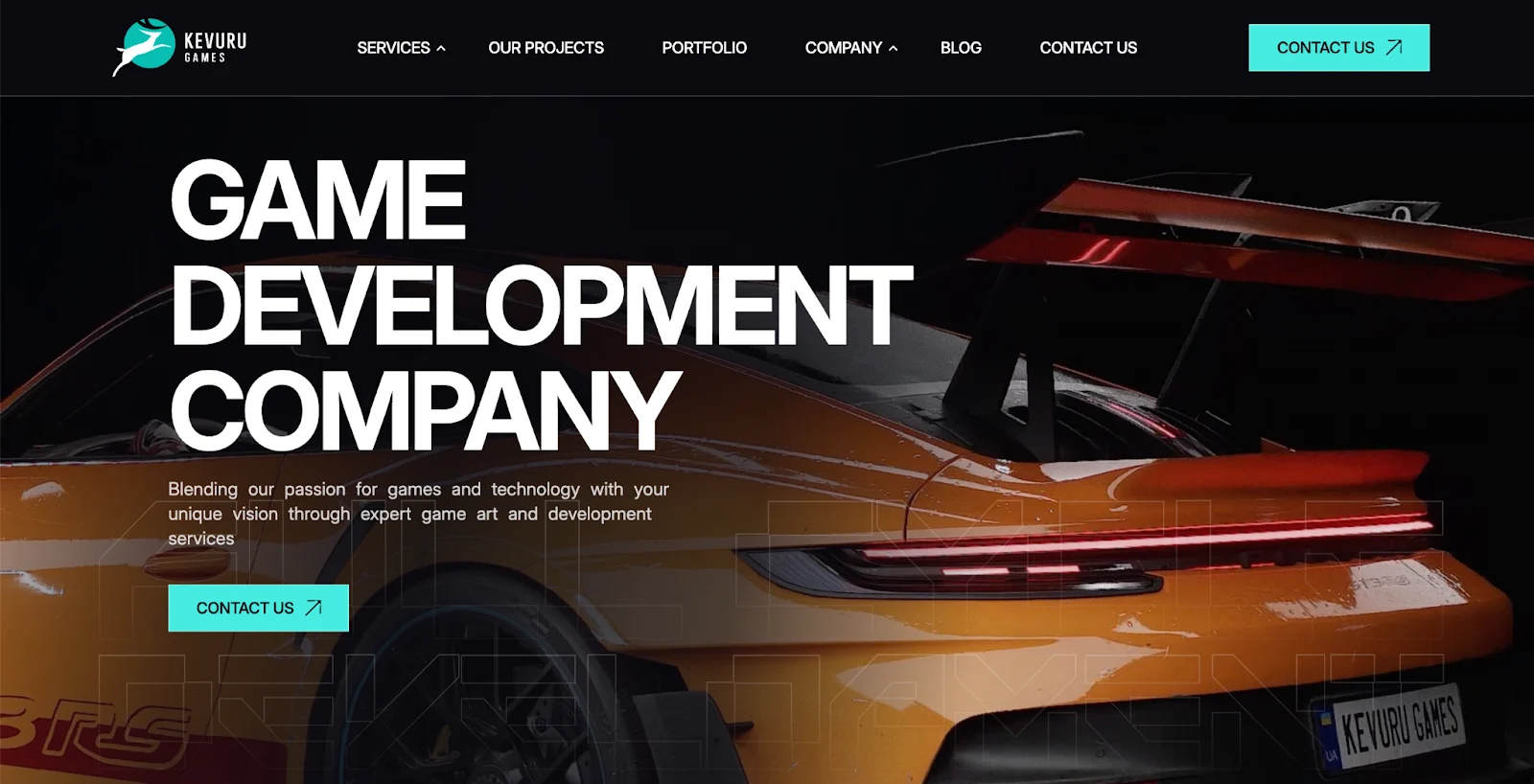
Epic Games doesn’t work with amateurs. Neither does Lucasfilm. The fact that both have partnered with Kevuru Games says enough. Based in Ukraine, the studio has earned a reputation for creative excellence and reliable delivery in game development outsourcing.
Kevuru handles full-cycle development, but its standout strength lies in art and animation. The team has contributed to Fortnite, Star Wars, and other high-profile projects, blending technical accuracy with strong visual storytelling.
Their co-development model means Kevuru functions as an extension of your own team — not a detached vendor. If you’re looking for a partner who understands both creativity and production discipline, Kevuru deserves to be at the top of your list.
#2 – Devoted Studios
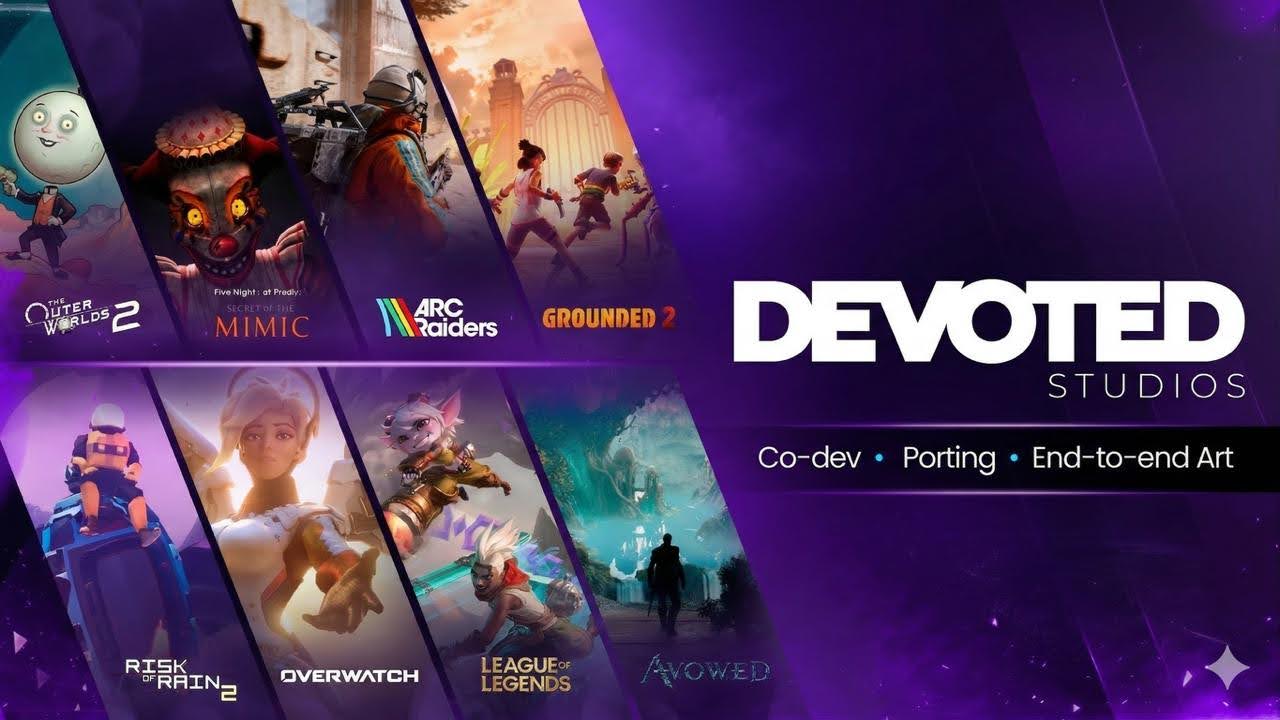
Avowed. Arc Raiders. Five Nights at Freddy’s. Overwatch 2 – some of the games that Devoted Studios is proud to call part of its portfolio.
Founded in 2018, Devoted has grown to a 250+ person team operating across 15+ countries, completing 250+ projects for 90+ happy clients. Devoted Studios specialize in co-development, game porting, and end-to-end art production – integrating as a full production partner rather than a detached vendor: owning art pipelines, co-developing features, and porting titles across PC and console. If you’re looking for a trusted, reliable game development partner with a proven track record at scale, Devoted Studios is the name that keeps coming up.
#3 – Virtuos
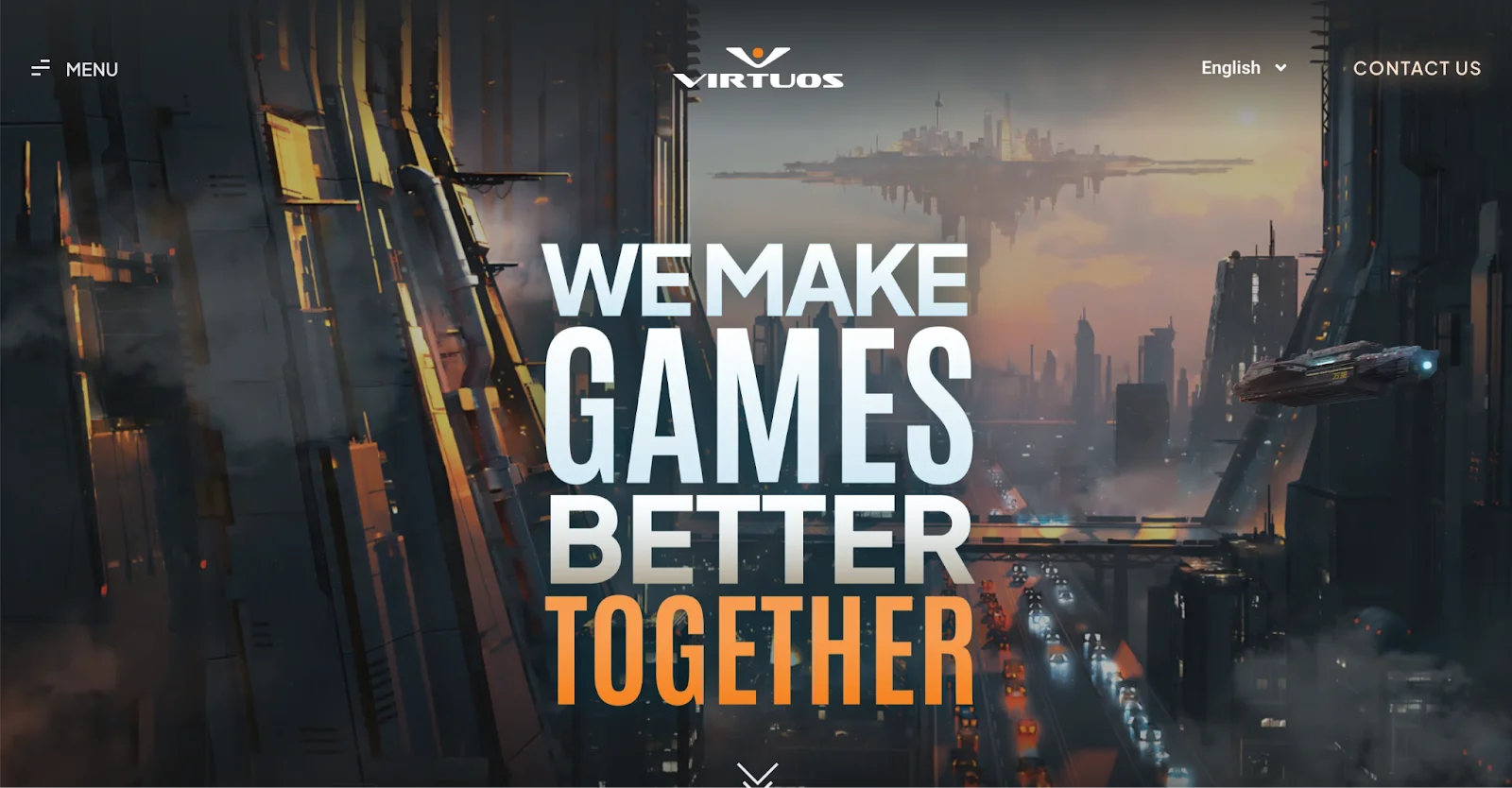
Singapore-based Virtuos is the studio you’ve heard of without knowing it. They’ve worked on over 3,000 projects, though NDAs mean you’ll never know which ones. Their superpower is scaling — when a publisher needs 500 environment assets yesterday, Virtuos delivers. They’ve mastered the balance between Western creative direction and Asian production efficiency. The Final Fantasy VII Remake’s visual work showcased their ability to enhance without overstepping. For multi-region projects, they offer localization that goes beyond translation. Think of them as the reliable workhorse of AAA production.
#4 – Keywords Studios
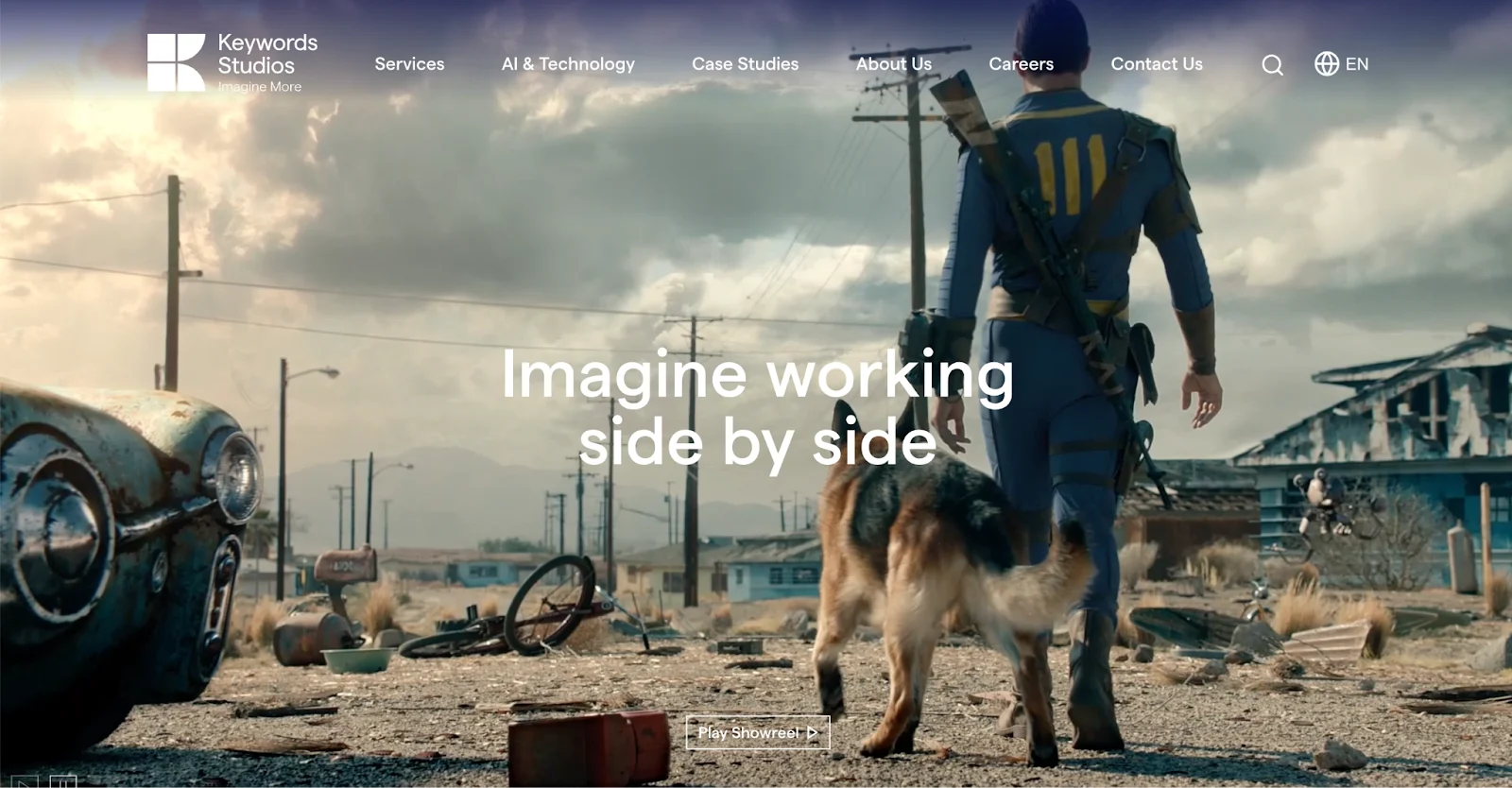
Keywords Studios went public in 2013 and hasn’t stopped acquiring competitors since. Now they’re a 70-studio network covering everything from voice acting to customer support. Need dialogue recorded in 15 languages? Done. 24/7 player support for your live service game? They’ve got call centers running around the clock. Keywords doesn’t specialize — they generalize at industrial scale. You’re trading boutique creativity for reliable execution. For publishers managing massive franchises, that trade-off works.
#5 – Lakshya Digital
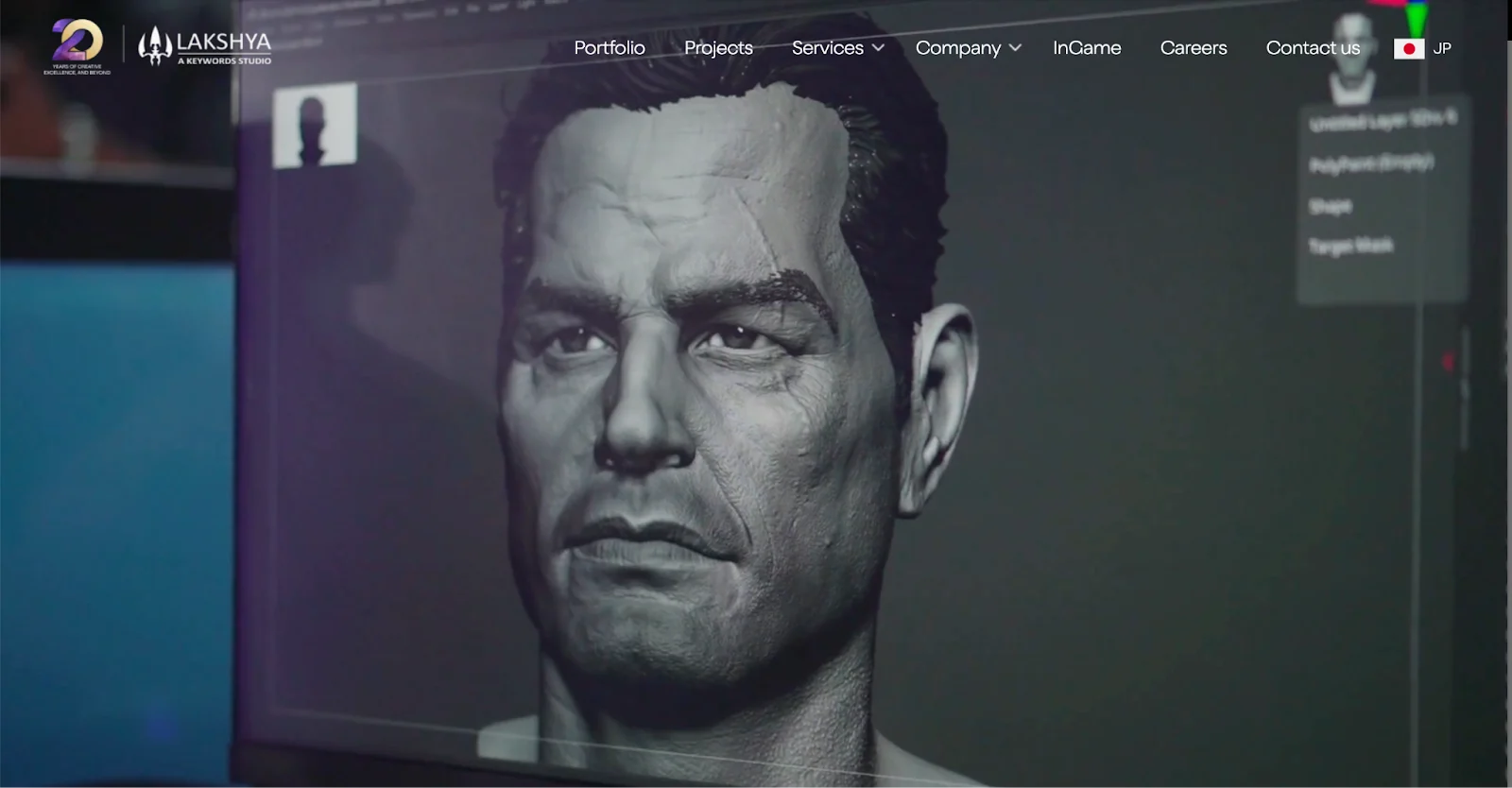
India’s game development scene often gets dismissed, which is exactly why Lakshya Digital keeps winning contracts. Their 400-person team has contributed to Halo, Forza, and multiple Ubisoft titles. They excel at environment art and vehicle modeling — those photorealistic cities and cars in racing games often start here. The cost advantage is real, but the quality is what keeps clients coming back. They’ve invested heavily in Unreal Engine expertise, positioning themselves well for current-gen demands. If your CFO is asking about budget optimization without quality compromise, Lakshya is the answer you show them.
#6 – Amber

Canadian efficiency meets Eastern European talent at Amber. They run offices from Montreal to Bucharest, specializing in co-development where they embed directly into client teams. Rather than taking isolated tasks, they integrate engineers and artists into your Agile workflow. Their technical strength in multiplayer systems makes them valuable for live service games. When you need to scale up for a release crunch without permanently expanding headcount, Amber provides that elasticity. They’re particularly strong in mobile development, where many traditional studios still fumble.
#7 – Room 8 Studio
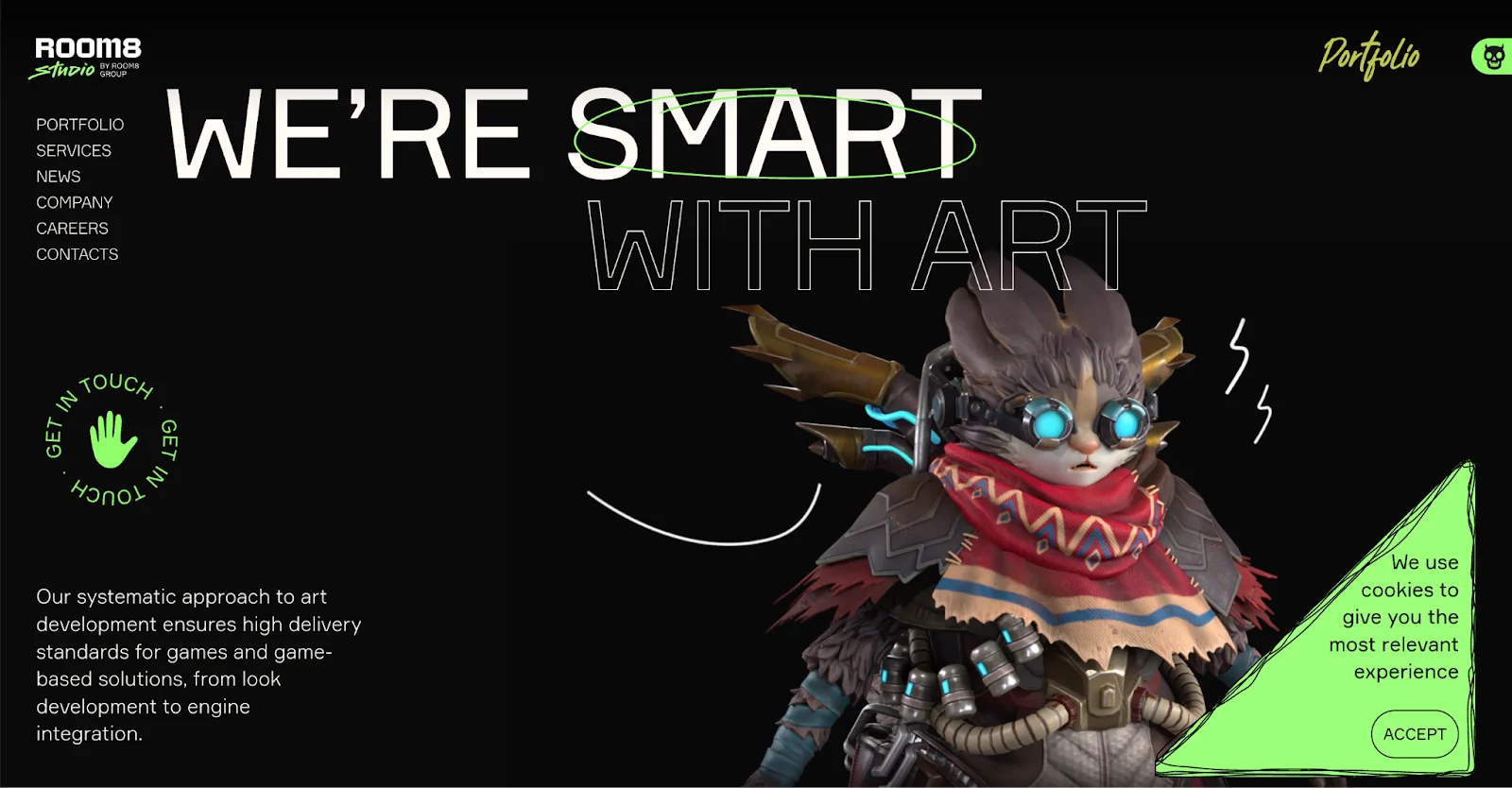
Poland’s Room 8 Studio represents new-generation European outsourcing — technically solid, culturally aligned with Western markets, and easy to work with. They’ve contributed to games from virtually every major publisher, with deep expertise in Unreal and Unity. Their portfolio ranges from military shooters to fantasy worlds, proving adaptability. Time zones overlap with Western Europe, making real-time collaboration easier than with Asian partners. They’ve also built proprietary pipeline tools that speed up asset production. If you want European quality without Western European prices, Room 8 delivers.
#8 – Game Factory

Brazil’s Game Factory has quietly become a powerhouse for mobile and casual game development. They specialize in vibrant, stylized art that performs well on smaller screens — exactly what mobile-first publishers need. Their team moves fast through iteration cycles, which matters when you’re testing features with live audiences and need quick art updates. The Latin American time zone overlap with North America makes collaboration smoother than with Asian partners. They’ve worked across hypercasual, casual, and mid-core mobile titles, adapting their style to match different audiences. Competitive pricing combined with cultural affinity for Western markets makes them a strong choice for mobile-focused studios.
#9 – The Knights of Unity
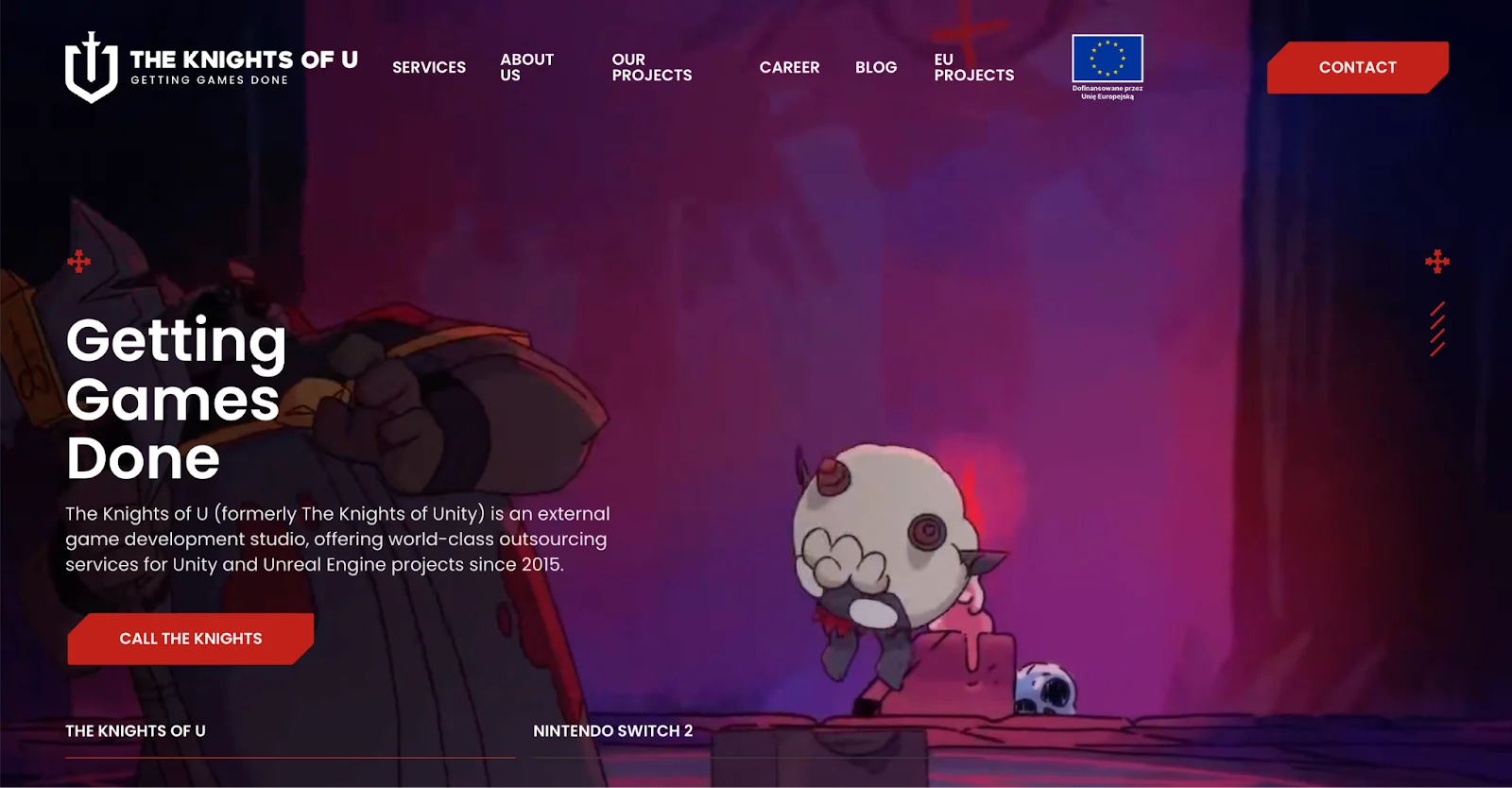
Despite the medieval name, this Polish studio focuses on cutting-edge Unity development for VR, AR, and mobile. They sit at the intersection of gaming and emerging tech, making them valuable for experimental projects. Their team combines game development creativity with enterprise software discipline — products that are both fun and stable. They’ve built training simulations, educational games, and commercial entertainment across platforms. For studios venturing into XR without internal expertise, The Knights offer a tested path. Their documentation actually gets maintained, which is rarer than it should be.
#10 – Sperasoft
Sperasoft bridges continents with studios across the US, Poland, and beyond. They’ve worked on Halo, Assassin’s Creed, and Mortal Kombat with technical capabilities ranging from core engine work to AI implementation. What sets them apart is their consultative approach — they contribute to technical design rather than just executing tasks. Their engineering teams excel at performance optimization across multiple platforms. They’re also among the few outsourcing studios with real VR/AR production experience. If you need technical problem-solving, not just asset production, they’re on the shortlist.
#11 – SuperGears Games
Spain’s SuperGears brings a smaller, more personal approach compared to the industry giants. They specialize in stylized art and animation, particularly expressive character work and cinematics. Their size becomes an advantage for projects needing direct access to senior talent rather than multiple management layers. They excel where artistic vision matters more than asset volume — narrative-driven indies or visually distinctive experiences. They’ve also built expertise in games-as-a-service content pipelines. Flexible engagement models work for both long-term partnerships and sprint-based projects.
Company Comparison Overview
| Company | HQ Country | Core Services | Known Clients | Strength |
| Kevuru Games | Ukraine | Full-cycle dev, Game Art, Animation | Epic Games, EA, Lucasfilm, Mattel | Strong Art & Co-dev Expertise |
| Virtuos | Singapore | Art Production, Engineering, QA | Square Enix, Ubisoft, multiple AAA | Massive Scale & Global Reach |
| Keywords Studios | Ireland | Full Production Services, Localization | Most major publishers | Comprehensive Service Portfolio |
| Lakshya Digital | India | Environment Art, Vehicles, Characters | Microsoft, Ubisoft | Cost-effective AAA Quality |
| Amber | Canada/Romania | Co-development, Multiplayer Systems | Multiple AAA publishers | Seamless Team Integration |
| Room 8 Studio | Poland | Art Production, Technical Art | Major publishers | Engine Expertise & Efficiency |
| Game Factory | Brazil | Mobile Game Art, Casual Games | Mobile publishers | Fast Iteration & Time Zone Fit |
| The Knights of Unity | Poland | Unity Development, VR/AR | Enterprise & gaming clients | Emerging Technology Focus |
| Sperasoft | USA/Poland | Engine Development, Optimization | Xbox, Ubisoft | Deep Technical Capabilities |
| SuperGears Games | Spain | Stylized Art, Animation | Various indie & mid-tier | Artistic Vision & Flexibility |
How to Choose the Right Partner
Start by being brutally honest about your needs. Do you want a full art production team while keeping code in-house? Or a co-development partner who can dive directly into your engine and workflows? The answer shapes everything else. Mismatched expectations end partnerships faster than any technical issue.
Don’t stop at glossy portfolio screenshots — everyone shows their best moments. Instead, look for projects that match your scope, genre, and production scale. A studio great at stylized mobile art may struggle with photorealistic shooters, no matter how talented the team. Ask about challenges they’ve faced and how they solved them; real stories reveal far more than highlight reels.
Before signing a major contract, test the waters. A short, paid trial project often tells you more than weeks of calls and presentations. You’ll quickly see how they handle communication, feedback, and shifting creative direction. Can you reach decision-makers easily? Do they update proactively, or only when asked? Misaligned communication styles never fix themselves later.
Transparency is another dealbreaker. Reliable studios openly show their pipelines, introduce actual team members, and speak honestly about capacity limits. If a company dodges questions about who’s on the team or hesitates to demonstrate tools, take that as a warning sign.
And finally — think about price last, not first. The cheapest bid might look tempting until you’re debugging invisible NPCs at 3 a.m. The lowest price often hides rework costs, communication delays, and missed milestones. Sometimes paying a little more upfront saves you a lot of sanity later.
Frequently Asked Questions
What is game development outsourcing?
Outsourcing means partnering with external studios for specific production aspects — art, animation, programming, QA. Instead of building all capabilities internally, studios leverage specialized partners for expertise, capacity, and resource optimization while keeping creative control.
How much does outsourcing game art cost?
Simple 2D mobile assets run $500-2,000 each. AAA 3D characters cost $5,000-15,000. Most studios charge hourly ($25-100/hour) or milestone-based payments. Eastern European and Asian partners typically offer better rates than North American or Western European studios while maintaining quality.
Why do major studios outsource?
To access specialized expertise, scale flexibly during production peaks, and optimize budgets without sacrificing quality. Outsourcing enables focus on core competencies while partners handle complementary work. It also provides global talent access and round-the-clock production through distributed teams.
How to find reliable game development companies?
Start with industry referrals and portfolio research on ArtStation or studio sites. Attend GDC and regional conferences. Check testimonials and request references from similar studios. Begin with small paid tests before full production — trial runs reveal communication quality, technical capabilities, and cultural fit better than sales pitches.
Conclusion
The companies featured here represent different approaches to that partnership model: some operate as global production ecosystems, others as highly focused creative teams. What unites them is an ability to integrate seamlessly with internal workflows and deliver quality without friction.
As games continue to grow in scale and ambition, the studios that master collaborative development — those who act as true extensions of the teams they support — will shape the next era of the industry.