If you’ve ever walked through a traditional gym, you know the drill — rows of clunky machines, each designed for one movement, taking up enough space to host a small party. For decades, this was the norm. Big, metal-heavy equipment, slow to evolve, and built around the same concept: “more is better.”
However, somewhere along the way, life began changing faster than the gym industry could keep pace. People downsized homes, work moved remote, and workouts became more personal. And that’s exactly where Speediance stepped in — not just as another fitness brand, but as a disruptor.
The Problem with Legacy Fitness Brands
Legacy fitness brands have long relied on their reputation, not necessarily innovation. They’ve built sturdy, reliable machines — no doubt about that — but they often failed to adapt to the way people actually live and move today. Most of these companies were built in an era when gym memberships were a badge of honor, and nobody minded spending an hour commuting just to sweat.
Now, people want efficiency. They want workouts that fit into their day, not the other way around. And they definitely don’t want an apartment dominated by bulky machines that look more like industrial equipment than something that belongs in a living room. Legacy brands tried to update their look or add a screen here and there, but the heart of the system — the design, the user experience — stayed stuck in the past.
The Rise of Agile Innovation in Fitness
This is where agile innovation changes everything. Instead of spending years developing one machine and locking it in for a decade, agile companies like Speediance iterate quickly. They listen, test, improve, and adapt again — the same principles that drive modern tech startups. It’s about responsiveness, not rigidity.
Speediance’s approach is a breath of fresh air in an industry that often treats equipment like a finished product instead of a living idea. They built a connected system that actually evolves with the user. Software updates bring new workouts, new features, and smarter resistance calibration. It’s fitness equipment that grows, learns, and adapts, much like the person using it.
The Speediance Difference
Let’s be honest — most people don’t buy a home gym because they love gadgets. They buy it because they want convenience without compromise. And that’s exactly what Speediance nailed.
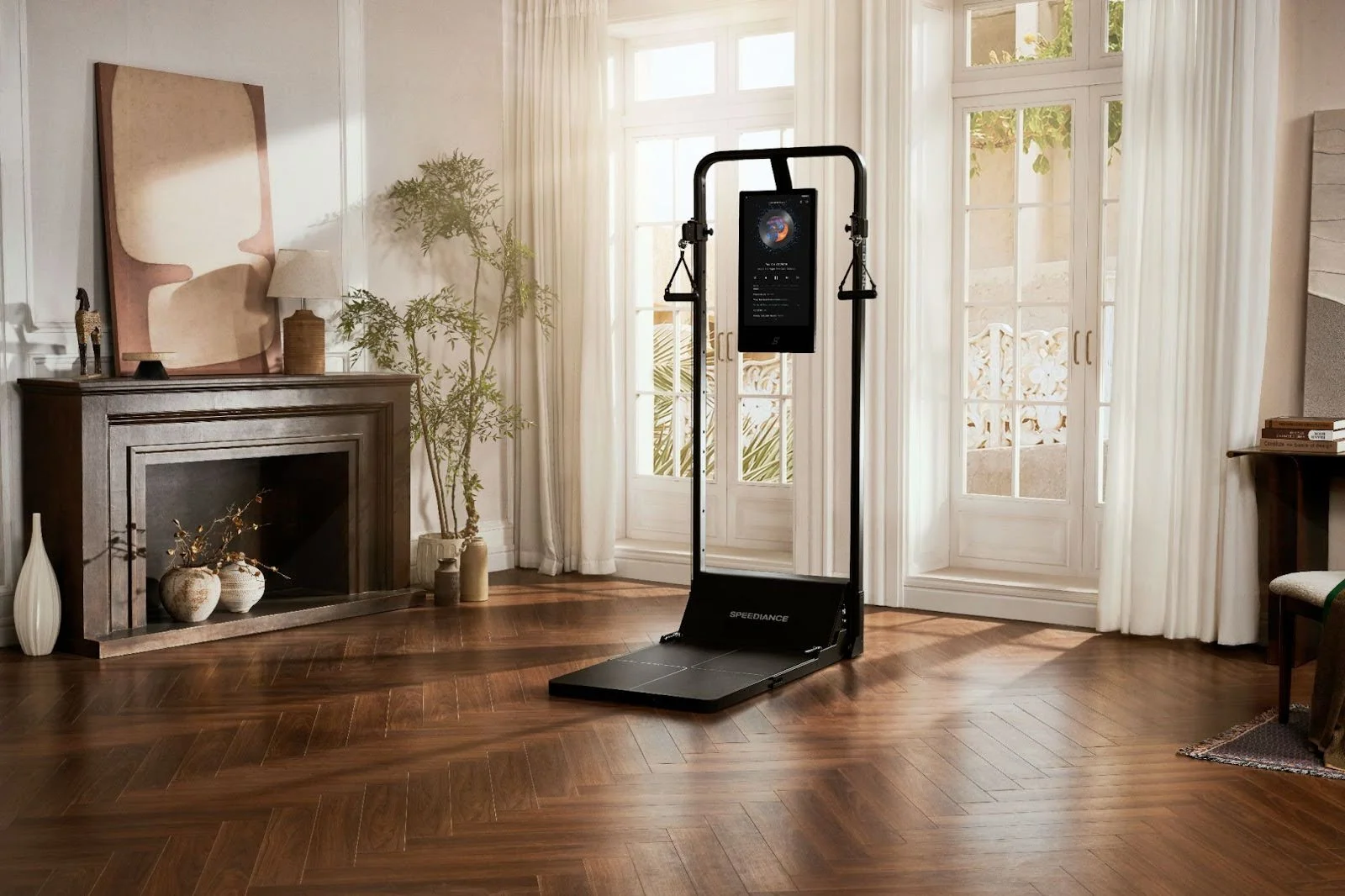
Instead of a room full of different machines, it gives you one sleek, compact piece that replaces them all. It’s not trying to mimic the gym — it’s reinventing it. The digital weight system feels natural, smooth, and — maybe most importantly — safe. There are no dangling plates, no need for a spotter, no clunky cable swaps. The resistance adjusts instantly and precisely, tracking your strength and form as you move.
And beyond the hardware, there’s the experience. The interface feels modern and intuitive — like using your favorite app, not navigating some confusing machine from 2005. Everything syncs automatically, from workout progress to performance data. You don’t need to log anything or keep mental notes. It’s all handled seamlessly in the background, which, let’s be real, makes sticking to a routine way easier.
Challenging the Old Guard
Speediance didn’t set out to just make a “smarter gym.” It’s challenging the entire system — how people think about fitness equipment and what it should do for them. Legacy brands were built on hardware; Speediance is built on experience. That’s a big shift.
Old-school fitness machines are static. Once you buy them, they never change. But Speediance’s connected model means it’s constantly improving — new workouts, better data insights, more tailored programming. It’s like comparing a flip phone to a smartphone. Both can technically get the job done, but one integrates with your life, while the other just sits there waiting for you to pick it up.
And this kind of disruption is uncomfortable for legacy players. They’re not used to moving fast or pivoting based on feedback. Their manufacturing cycles are long, their software updates rare, and their innovation often plays catch-up. Meanwhile, Speediance operates more like a software company with a hardware soul — agile, fast, and endlessly evolving.
Innovation That Feels Personal
The magic of agile innovation isn’t just in the speed — it’s in the connection. Speediance isn’t trying to sell you a machine; it’s offering a relationship. The system learns how you lift, how you move, and even when you might be slacking off a bit. It adjusts accordingly, keeping your workouts challenging but achievable.
That level of personalization used to be something only trainers could offer. Now it’s built into the tech itself. This creates a loop where your feedback (sometimes even subconsciously through your performance data) helps refine your next session. It’s responsive fitness — something legacy brands never really understood because they weren’t built to listen, they were built to instruct.
Why This Disruption Matters
What Speediance is doing goes beyond clever marketing or sleek design. It’s redefining how innovation works in fitness. By combining smart technology with human-centered design, it’s turning workouts into an experience that feels natural, efficient, and sustainable.
This disruption also challenges an industry known for stagnation. For too long, fitness equipment was about metal, bolts, and weight stacks — not data, intelligence, or adaptability. But the world doesn’t stand still, and neither do people’s needs. Speediance saw that gap and filled it with something modern users could actually connect with.
And maybe that’s why it’s resonating so deeply. Because at the end of the day, innovation isn’t just about creating something new. It’s about creating something that feels right for right now.
The Future of Fitness Equipment
If legacy brands want to survive, they’ll have to move faster — not just in manufacturing, but in mindset. The future belongs to companies that can blend technology with empathy, functionality with simplicity.
Speediance has proven that agility isn’t just a buzzword; it’s the blueprint for the next generation of fitness. As homes get smaller, lives busier, and people more intentional about their time, equipment like this isn’t a luxury — it’s the natural next step.
It’s easy to see where this is heading. Smart, compact, connected systems that integrate seamlessly into daily life will become the standard, not the exception. And Speediance is leading that charge, showing that disruption doesn’t have to be loud — it just has to be smarter.