Are your marketing efforts falling flat? You’re likely breaking one of six timeless rules. New data reveals 61% of marketers prioritise SEO, yet most fail at fundamental audience targeting and consistent messaging.

Marketing is an ever-evolving landscape, driven by technological advances, shifting consumer behaviour, and new platforms. Yet, despite these changes, the fundamentals of marketing remain the same.
A recent study by HubSpot found that 61% of marketers say improving SEO and growing their organic presence is their top inbound marketing priority, showing how foundational practices still drive success. Similarly, Deloitte’s 2023 Global Marketing Trends report highlights that 81% of marketing leaders believe creating more human-centred experiences is crucial to maintaining relevance in today’s competitive market.
However, despite these clear priorities, brands continue to break the timeless rules of marketing. Whether it’s ignoring audience insights, losing consistency in messaging, or failing to adapt to changing trends, these fundamental errors often result in missed opportunities and ineffective campaigns.
What are Marketing Fundamentals?
Marketing Fundamentals refer to the basic principles and strategies that form the foundation of successful marketing. These core concepts are timeless and remain essential for businesses aiming to reach and engage their target audience, build brand awareness, and drive sales.
While marketing tactics and channels may evolve over time, the fundamentals provide a clear guide for businesses to follow, ensuring their marketing efforts are effective, strategic, and aligned with their overall goals.
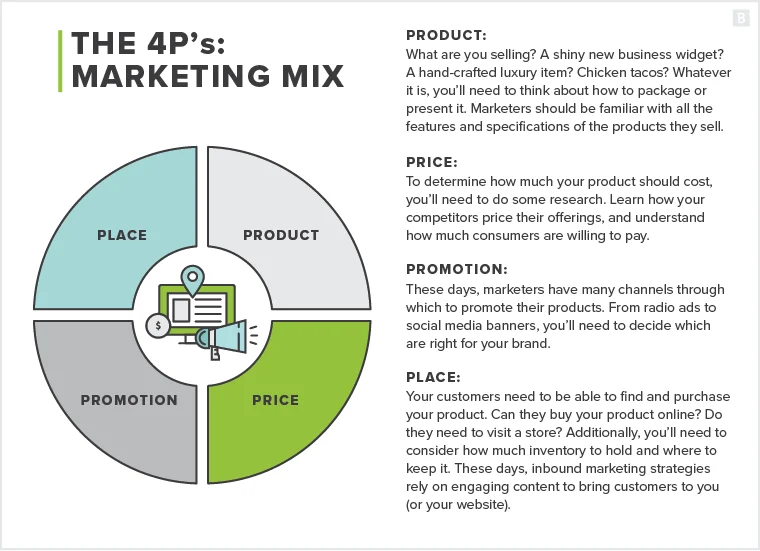
6 Timeless Rules Every Brand Still Breaks
1. Know your audience
The golden rule: Understanding who your audience is and what they want is the cornerstone of successful marketing.
It’s astonishing how often brands get this wrong. They launch products and marketing campaigns based on assumptions rather than data. Many marketers fall into the trap of creating buyer personas that sound great in theory but fail to align with real-world consumer needs and desires.
If you don’t truly understand your audience, how can you craft a message that resonates with them? How can you build a product they’ll love? Ignoring audience research or treating it as a one-time exercise leads to missed opportunities and ineffective campaigns.
Why brands break this rule
Brands often assume they know their audience based on demographics or previous purchasing data, but this fails to capture deeper emotional triggers and behavioural patterns. Additionally, marketing fundamentals teams sometimes skip the essential step of gathering feedback, focusing instead on what they want to say, not necessarily what their customers need to hear.
How to fix it
- Conduct regular market research: Surveys, interviews, focus groups, and social listening can provide insights into your audience’s pain points, desires, and preferences.
- Use analytics: Website analytics, social media metrics, and sales data offer real-time insights into what resonates and what doesn’t.
- Create empathy-driven personas: Go beyond demographics. Craft personas that represent the emotional and psychological profile of your ideal customers.
2. Clear and consistent messaging
The golden rule: Clear messaging is essential to build recognition and trust with your audience. Consistency across all platforms reinforces your brand identity.
We’ve all seen brands struggle with inconsistent messaging. One minute, they’re positioning themselves as luxury, the next as affordable. It’s jarring for customers and undermines brand credibility. For any brand to succeed, its messaging must be clear, coherent, and consistent.
Why brands break this rule
Brands sometimes feel the pressure to chase trends or cater to every possible customer segment. This can result in mixed messages and diluted brand identity. Others may get too creative, leaving their audience unsure about what the brand actually stands for.
How to fix it
- Define your brand’s core values: What does your brand stand for? Once you’ve identified this, make sure every piece of content and communication reflects those values.
- Streamline your voice and tone: From social media posts to email newsletters, ensure that your brand’s voice is consistent. Whether it’s humorous, formal, or casual, it should stay the same across all touchpoints.
- Use a brand style guide: This ensures consistency in your messaging, tone, colours, fonts, and logos. It’s an essential tool for maintaining clarity, especially across large teams or multiple platforms.
3. Build relationships, not transactions
The golden rule: Marketing fundamentals should be about building long-term relationships, not just driving short-term sales.
Many brands focus too heavily on the “hard sell.” They push for immediate sales, disregarding the importance of nurturing customer relationships. While immediate sales are important, focusing solely on transactions creates a cycle of churn rather than loyalty.
Why brands break this rule
In a world of quarterly earnings reports and short-term KPIs, there’s often a temptation to go for the quick win. This leads brands to focus on one-time purchases rather than building a loyal customer base.
How to fix it
- Engage with your customers: Show that you care about their experience, not just their wallet. Respond to comments on social media, offer helpful advice, and create value-driven content that appeals to them.
- Build community: Create a sense of belonging around your brand. Whether it’s through social media, email newsletters, or events, encourage customers to interact with each other and with your brand.
- Offer exceptional customer service: Good service goes a long way in building trust. Resolve issues quickly and go above and beyond to exceed customer expectations.
4. Measure your results
The golden rule: Data is the foundation of any effective marketing strategy. Always measure and evaluate your efforts to understand what works and what doesn’t.
It’s baffling how many brands fail to track the success of their campaigns. The old adage “If you can’t measure it, you can’t manage it” still holds true today. Without tracking the performance of your marketing fundamentals activities, how can you know whether you’re on track to meet your goals?
Why brands break this rule
Sometimes it’s a lack of resources. Brands may think measuring results is too time-consuming or complicated. Other times, it’s because the data is available, but there’s no clear strategy in place for interpreting it.
How to fix it
- Use analytics tools: Google Analytics, social media insights, email tracking software, these tools help you track your website traffic, engagement rates, conversions, and much more.
- Set KPIs: Determine clear objectives before you start a campaign, such as increasing website traffic by 25% or boosting conversion rates by 10%.
- A/B testing: Continuously test different headlines, images, calls to action, and other elements to determine what resonates most with your audience.
5. Offer value
The golden rule: Customers want value. Whether it’s through quality products, useful information, or a memorable experience, value is the key to customer loyalty.
This rule seems obvious, but many brands overlook it. Too often, brands focus on flashy marketing fundamentals tactics without considering what the customer truly values. Offering value isn’t just about discounts or promotions; it’s about providing something meaningful that customers can appreciate.
Why brands break this rule
In the rush to outshine competitors, many companies forget that true value goes beyond price. They might focus too much on the bells and whistles, but fail to address the real needs and desires of their target audience.
How to fix it
- Focus on customer needs: Whether you’re selling a product or a service, ensure that what you’re offering solves a problem or makes life easier for your customers.
- Provide educational content: Sharing expert knowledge through blogs, videos, and tutorials helps establish your brand as a trusted authority.
- Deliver experiences: Beyond products and services, offer experiences that surprise and delight your customers. This could be through exceptional customer service, loyalty rewards, or unique packaging.
6. Adapt to change
The golden rule: The marketing fundamentals landscape is always changing. A successful brand is one that adapts quickly to new trends, technologies, and customer expectations.
Brands that cling too tightly to old methods risk being left behind. The marketing world evolves at a rapid pace, new technologies emerge, consumer preferences shift, and platforms change. Brands that are slow to adapt miss the opportunity to engage with their audience in meaningful ways.
Why brands break this rule
Adapting to change requires a willingness to experiment, and not all brands are comfortable stepping out of their comfort zone. There’s often resistance to change, especially if a company has found success with a particular strategy in the past.
How to fix It
- Stay informed: Keep up with marketing fundamentals trends, consumer behaviour shifts, and emerging technologies.
- Be agile: Experiment with new platforms, campaigns, and tactics. Test and learn as you go, adjusting your strategy based on real-time feedback.
- Invest in innovation: Be willing to invest in new tools, technologies, and methods to stay competitive. Whether it’s AI, automation, or data analytics, innovation drives progress.
Final thoughts
Marketing may seem complex, but the fundamental principles remain unchanged. By knowing your audience, staying consistent, building relationships, measuring results, offering value, and adapting to change, brands can thrive in a crowded market.
It’s easy to break these rules, especially when chasing the latest trend or focusing on short-term goals. However, when you get back to basics, you build a strong foundation for sustainable growth. As we’ve seen time and again, the brands that succeed are the ones that don’t just follow the rules—they master them.
Now, go ahead and take a look at your marketing fundamentals strategy. Are you breaking any of these timeless rules? If so, it might be time to get back to basics and refocus on what really matters.