The property sector in Dubai has taken center stage for international capital. Standing as a magnet for investors chasing mortgage-friendly financing, rapid infrastructure advancement, and tax efficiency.
However, the same environment that reported phenomenal price gains and expeditious transaction volumes also encountered concentrated luxury supply, fast-moving product cycles, consistent policy upgrades, and evolving residency incentives.
International investors eyeing Dubai for their next investment strategy; success for them explicitly hinges on structured planning that involves product selection, timing, legal process, and exit planning.
Let’s dive into the guide to translate these realities into practical steps, which leads to the protection of capital, capture upside, and reduced execution risk.
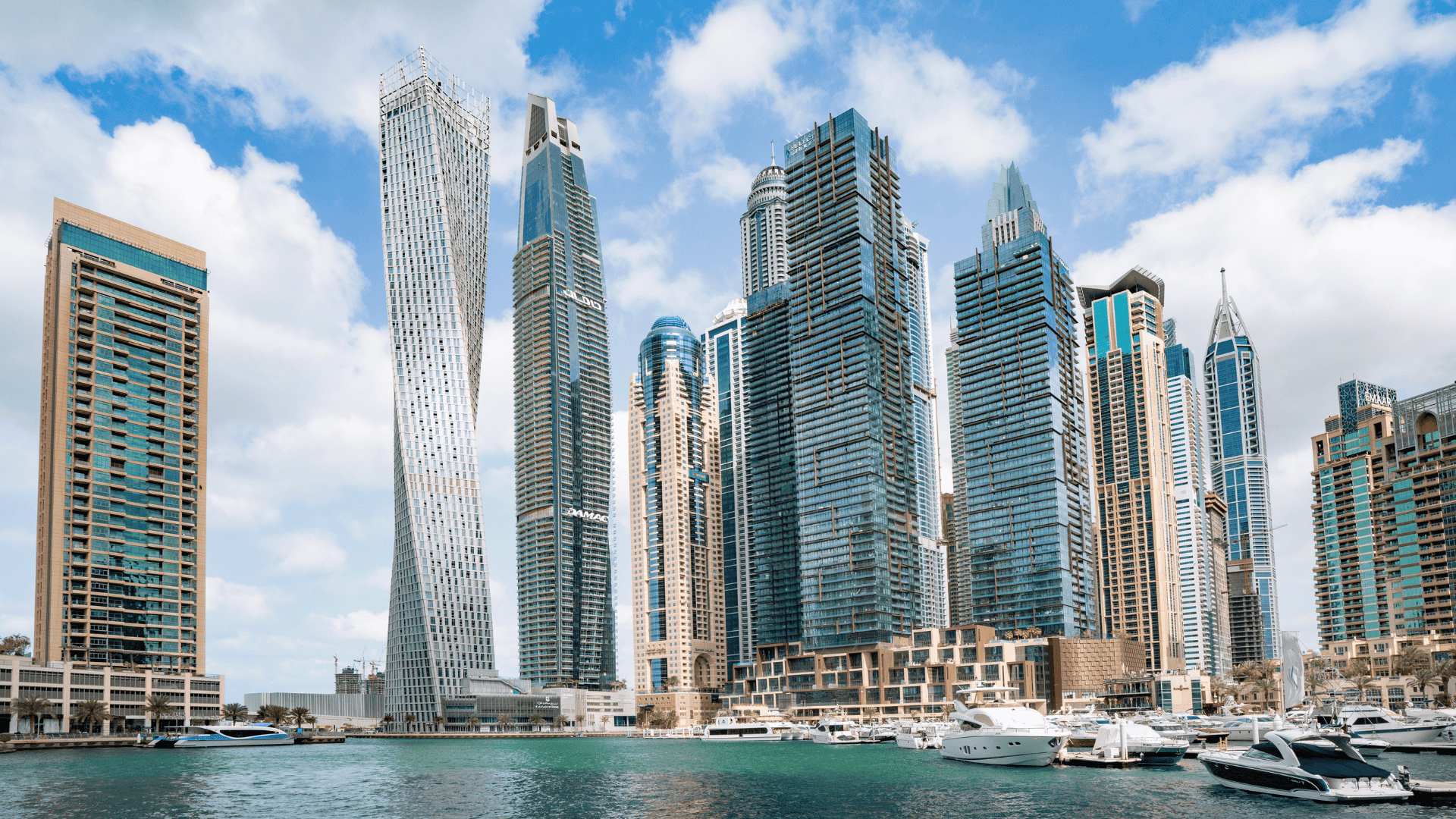
Dubai Real Estate Evolution: From Local Market to Global Magnet
Once called a regional property hub, it has now transitioned into a global investment core over the past decade. Fueled by diversified economic goals, rigorous regulations, freehold ownership, and scalable master developments, the city continues to target buyers from across the world.
Practical Tips to Navigate the Dubai Real Estate Market
Alignment of Capital Profile & Product Type
Dubai has made a broad spectrum of assets a part of its real estate essence. The availability of prime villas and ready apartments, and staged off-plan launches centralized around early-pricing brackets and structured payment schedules, captures a different investor temperament.
Beyond these products, sky villas, penthouses, townhouses, and branded residences are new product types, which have broadened the real estate exposure in Dubai.
Many international investors rely on a blended approach that combines small, higher-risk allocation, select new launches, and ready income-producing assets to symphonize capital security and upside.
When targeting launches, prioritize projects with transparent delivery timelines and escrowed project accounts released by known developers.
Strategic Use of Residency & Visa Options
With the recent reforms in policies, ownership regulations, and residency incentives, investors’ calculus in Dubai has dynamically shifted. The introduction of investor visa routes and Golden Visa reforms in the UAE qualifies foreign investors for long-duration residency options. For business investors and property owners, the attractiveness has stretched beyond pure yields, allowing qualifying owners to contemplate family relocation and benefit from seamless property management.
However, ownership in Dubai to qualify for long-term residency requires a clear understanding of the specified thresholds and documentation requirements. For instance, an investment equal to AED 2,000,000 or above opens pathways for Golden Visa eligibility, while real estate valued at AED 750,000 or above allows a 2-year investor visa.
Evaluate Transaction Costs & Taxes
Many foreign investors are drawn to Dubai’s headline advantage, “no personal income tax”; however, neglecting transactional or hidden costs can affect net returns or capital outlay. Typical fees include:
- The Dubai Land Department fee (usually 4% of the property value)
- Real estate agent fee (2% of the sales value)
- Service charges
- Title deed issuance fee (AED 4,000 – AED 8,000)
- Registration fee (AED 2k for properties>500,000 & AED 4k for properties<AED 500,000) +5% VAT
- Administrative fee
- Mortgage registration fee
Building a cash-flow model before investment is ideal for predicting net yield and total cost of ownership.
Capital Management through Risk Evaluation
Rigorous due diligence is the core principle for mitigating development or off-plan risk. Research comprehensively on the developer portfolio, delivery track record, construction escrow arrangements, sales velocity, and liquidity.
Only invest in off plan projects in Dubai that are verified with the Dubai Land Department, which simultaneously ensures the protection of buyers ‘ funds and the release of payment along with construction milestones.
Engage local advisors and legal experts to investigate shared ownership clauses, title documents, mortgage encumbrances (if any), and community rules. For institutional owners, registration of the business in the Department of Economic Development (DED) is essential.
Investment Timing – Planning Strategic Entry & Exit
Disciplined timing holds significant value as the Dubai market moves quickly. Enter the market during substantial real estate demand or post-policy announcements to benefit from major infrastructure projects and residency relaxations.
Avoid chasing premium launches as they are more considerable for end-usage and might lengthen the vacancy periods. Also, planning clear exit strategies is crucial as the resale segment for luxury units differs from newly launched apartments.
Liquidity also varies by international buyer appetite and segments. Hence, investors must also keep in mind analysts’ cautions regarding price adjustments and market fluctuation.
Operational Attentiveness & Local Partnerships
Operational discipline is one of the foremost rules for international investors navigating the real estate market of Dubai. Through professional tenant screening, proactive maintenance, and timely rent resets, investors can preserve asset value and experience a stabilized cash flow.
Likewise, engaging with reliable local partners, including leasing agents, property managers, tax & legal advisors, and on-the-ground asset managers, opens vigorous paths for negotiation between the buyer and seller.
Foreign investors who are unable to be physically present can appoint a legal representative by granting a PoA (Power of Attorney). These managers help with transparent reporting, a demonstrated track record, and digital rent collection.
Macro Factors to Consider before Investment from a Foreign Land in Dubai
Lastly, considering macro factors before investment can prevent foreign investors from facing major disruptions and stimulate medium-term demand. This includes AED peg stability, Dubai’s sustained infrastructure expenditure (tourism and transport), and regional capital flows.
However, geopolitical shifts or tightening of global liquidity can flatten buyer estimates and price limits. This can be mitigated by diversifying exposures across different segments and using risk protection strategies.
Closing In!
Global investors winning in Dubai real estate combine awareness on the macro level with structured execution. Astute buyers understand credible market signals, create an organized ownership strategy revolving around tax efficiency and residency, and choose the right product to match their capital goals. Disciplined due diligence and active asset management are essential points to keep in mind.
For dynamic real estate hubs like Dubai, where opportunities flow from high-end segments to carefully selected off-plan launches, the overall success hinges on governance and patience. Furthermore, international investors can receive sustainable returns by treating every purchase as a business decision rather than a headline move. Thoughtful planning and trusted local partners remain central for investors’ and their funds’ protection.