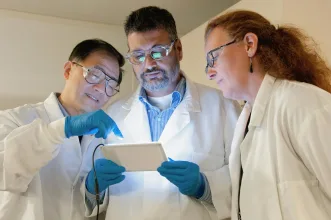
A wave of innovative technological solutions is emerging with the ambitious goal of significantly improving planetary health by the year 2025. These advancements span various sectors, from renewable energy and sustainable agriculture to advanced monitoring systems and waste reduction technologies, all designed to combat pressing environmental challenges.
Key Takeaways
- New technologies are being developed to address critical environmental issues.
- The target year for significant impact is 2025.
- Solutions encompass energy, agriculture, monitoring, and waste management.
Revolutionizing Energy and Resource Management
Significant breakthroughs are anticipated in renewable energy generation and storage. Innovations in solar panel efficiency, wind turbine design, and advanced battery technology are expected to accelerate the transition away from fossil fuels. Furthermore, smart grid technologies will optimize energy distribution, reducing waste and increasing reliability. In resource management, AI-powered systems are being deployed to monitor water usage, predict shortages, and implement conservation strategies more effectively.
Sustainable Agriculture and Food Systems
The agricultural sector is set to benefit from precision farming techniques, utilizing sensors, drones, and data analytics to optimize crop yields while minimizing water and pesticide use. Vertical farming and lab-grown meat technologies are also gaining traction, offering more sustainable alternatives to traditional food production methods that are often resource-intensive and contribute to deforestation.
Advanced Environmental Monitoring and Data
Cutting-edge sensor networks and satellite imagery, coupled with sophisticated data analysis, will provide unprecedented insights into environmental changes. These tools will enable real-time monitoring of air and water quality, deforestation rates, and biodiversity loss. This data is crucial for informing policy decisions, tracking progress towards environmental goals, and enabling rapid response to ecological threats.
More Contents:
technology museum of innovation
Waste Reduction and Circular Economy Initiatives
Technologies focused on waste reduction and the circular economy are also a key part of the 2025 vision. Innovations in recycling, biodegradable materials, and waste-to-energy conversion aim to minimize landfill waste and reduce pollution. The promotion of a circular economy, where materials are reused and repurposed, is expected to significantly lessen the environmental footprint of consumption and production.
Collaboration and Investment Driving Progress
The development and deployment of these technologies are being fueled by increased collaboration between research institutions, private companies, and governments, alongside substantial investment. This concerted effort is vital to ensure that these promising solutions can be scaled effectively and implemented globally to achieve the ambitious 2025 planetary health targets.