In the age of streaming and esports, gaming marathons have become more than just a hobby — they’re a cultural phenomenon. Players around the world spend hours, even days, in front of their screens, chasing records, achievements, and community recognition. But while these endurance sessions can showcase skill and dedication, they also raise important questions about the limits of the human body and mind. What does it really cost to play without pause — and how can gamers find balance between passion and health?
The rise in popularity of gaming marathons
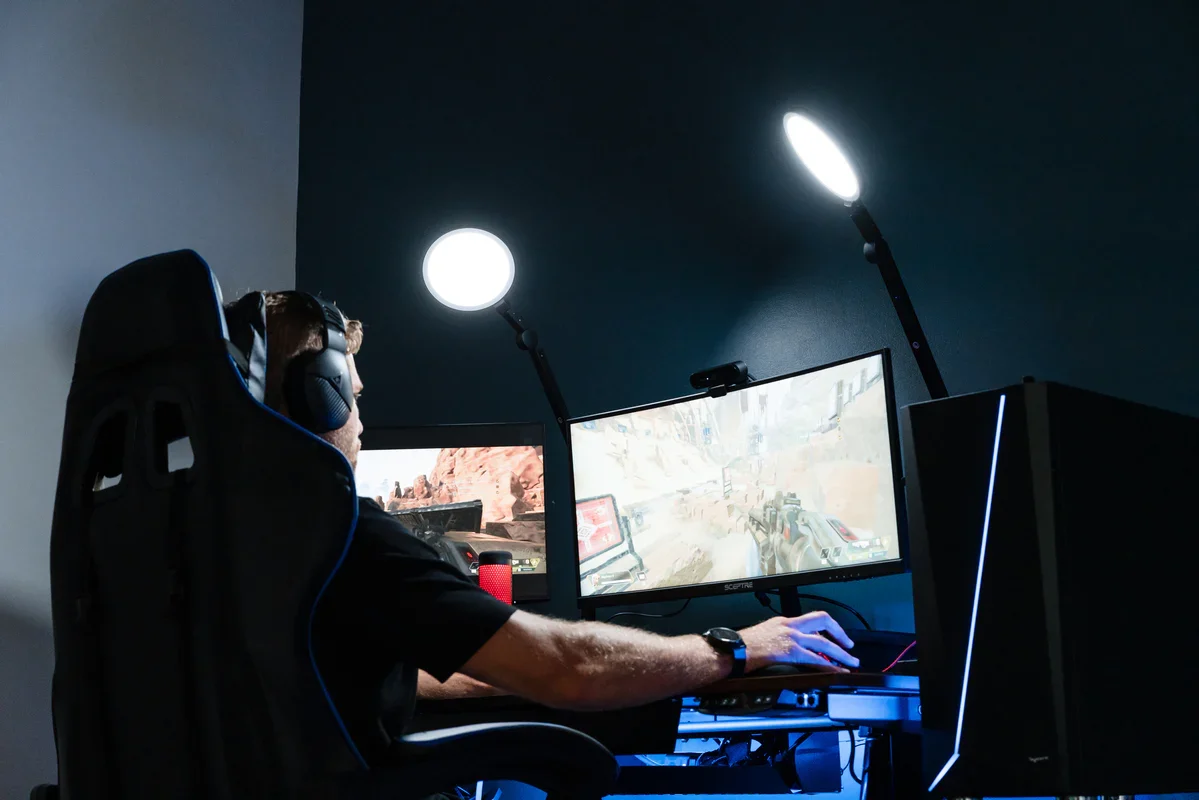
Over the past decade, gaming marathons have become a symbol of dedication in the modern gaming world. From 24-hour charity streams on Twitch to grueling tournaments where professionals push their physical and mental limits, such events — including long streams leading up to upcoming Dota 2 events or major esports qualifiers — are now seen as a display of endurance and passion. Many gamers proudly spend entire weekends immersed in virtual worlds — chasing victories, achievements, or supporting good causes.
But behind that enthusiasm lies a deeper question: what happens to the body and mind when a person spends hours staring at a screen, sleeping only a few hours, and living on energy drinks? Gaming marathons can inspire, unite communities, and build discipline — yet they also pose challenges to the human body that science is only beginning to understand.
Physical consequences of prolonged gaming
First and foremost, the body suffers. Sitting for long periods without a break leads to back pain and tension in the neck and wrists. Many marathoners complain of numbness in their fingers or chronic discomfort. Poor posture and an uncomfortable workspace can lead to serious problems over time, from carpal tunnel syndrome to chronic lower back pain.
The eyes are a separate issue. The blue light from monitors and reduced blinking frequency during concentration often cause headaches, blurred vision, and dry eyes. Add to this a disrupted sleep pattern — night or round-the-clock sessions suppress melatonin production, so it is almost impossible to wake up feeling refreshed after such a “gaming binge.”
Circulatory problems are another dangerous aspect. Prolonged sitting increases the risk of deep vein thrombosis (DVT), which in extreme cases can be fatal. And then there’s the habit of skipping meals, abusing energy drinks, and forgetting to drink water. Over time, these little things undermine the immune system, contribute to obesity, and cause heart problems.
The psychological impact of gaming marathons
After the body, the psyche suffers. The constant flow of action, vivid effects, and competition stimulates the brain, but at the same time exhausts it. After long sessions, many players experience so-called “gaming fatigue” — irritability, inattention, apathy. For streamers and professional gamers, the pressure is even greater. Playing in front of an audience, entertaining viewers, and delivering results at the same time is a tremendous emotional burden. When sleep and rest are sacrificed for content or ratings, exhaustion is inevitable. Then passion easily turns into addiction. It is no coincidence that in 2019, the World Health Organization officially recognized gaming addiction as a mental disorder.
There is also a social aspect. Online communication creates the illusion of interaction, but often replaces real contact. Over time, this leads to loneliness or alienation. Many players feel guilty when they realize how many hours have “disappeared,” which only reinforces the vicious cycle of escapism. However, not all consequences are negative. For many, marathons are a way to relax, get involved in charity, or simply find a community of like-minded people. It all depends on balance: who controls the game — the player or the game?
How to find balance: healthy habits for responsible gaming
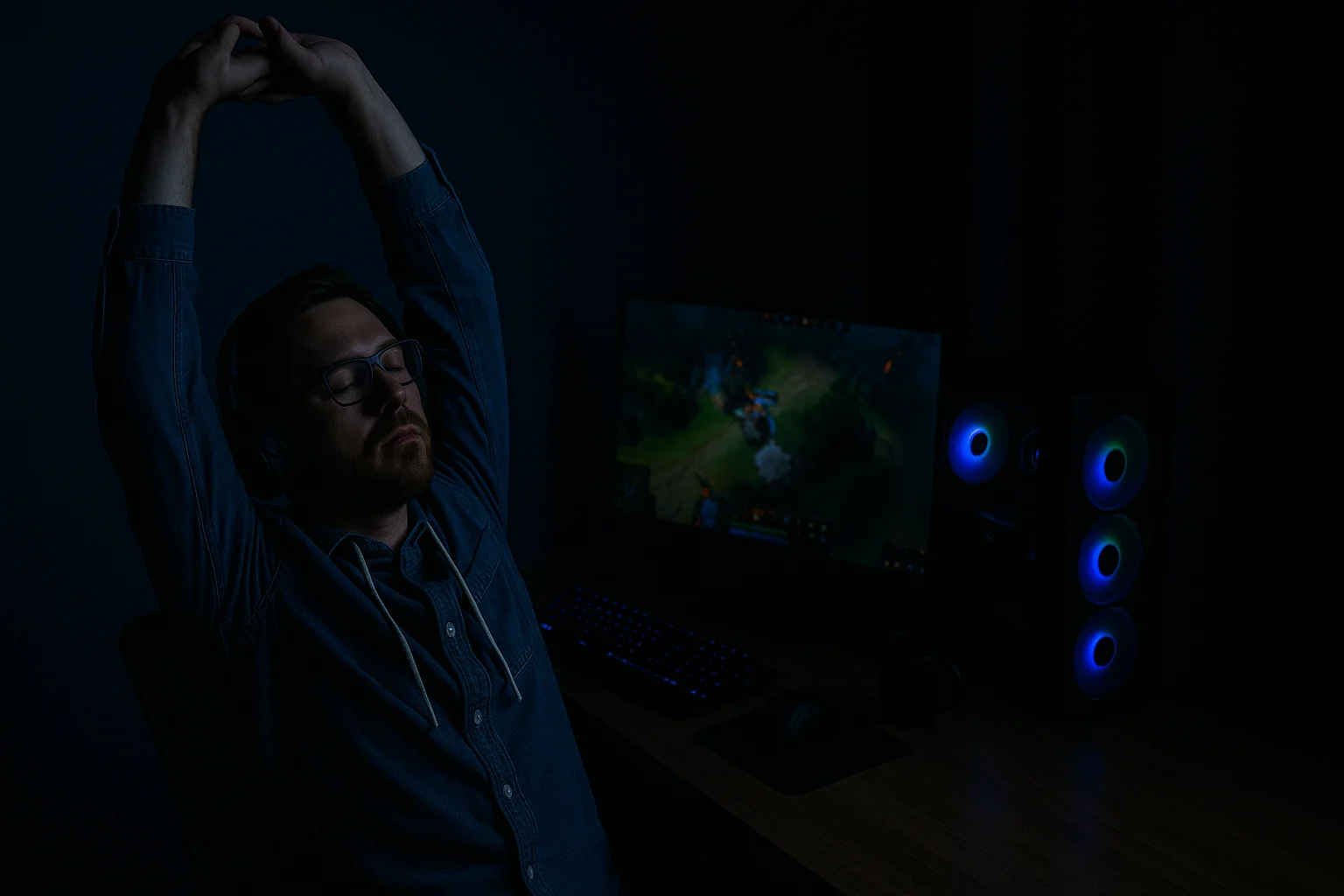
Gaming marathons are not necessarily harmful. If approached wisely, they can be safe and even beneficial. Take breaks. The simple 20-20-20 rule helps: every 20 minutes, look at something 20 feet (6 meters) away for 20 seconds. A short warm-up every hour improves blood circulation and relieves tension. Also, don’t forget to drink water and eat proper meals, not just coffee or snack bars.
Make sure you’re comfortable. A good chair, the right monitor height, and proper lighting are small things that can save you from pain in the future. Glasses or blue light filters will help during night sessions. Sleep is not the enemy. No achievement is worth constant sleep deprivation. Set limits, set aside at least one day to recover after big gaming days. A stable sleep schedule is the best boost for concentration and mood. Listen to yourself. If you notice irritability, loss of motivation, or indifference to the game, that’s a signal. Take a break, go for a walk, meet up with friends, do something physical. Your brain needs rest just as much as your body does.
By the way, major esports tournaments already take these risks into account — they introduce breaks, medical support, and monitoring of players’ condition. Streaming platforms can also help by promoting healthy habits among content creators.
Conclusion
Gaming marathons are both the best and worst things in the world of modern gaming. They bring people together, inspire, raise millions for charity — but they also show how fragile the human body is under digital stress.
The solution is not to abandon marathons, but to rethink our approach to them — with respect for our own bodies, sleep, and health. True gamer endurance is not about playing the longest, but about knowing when to press “pause,” take a break, and come back stronger — both in the game and in real life.