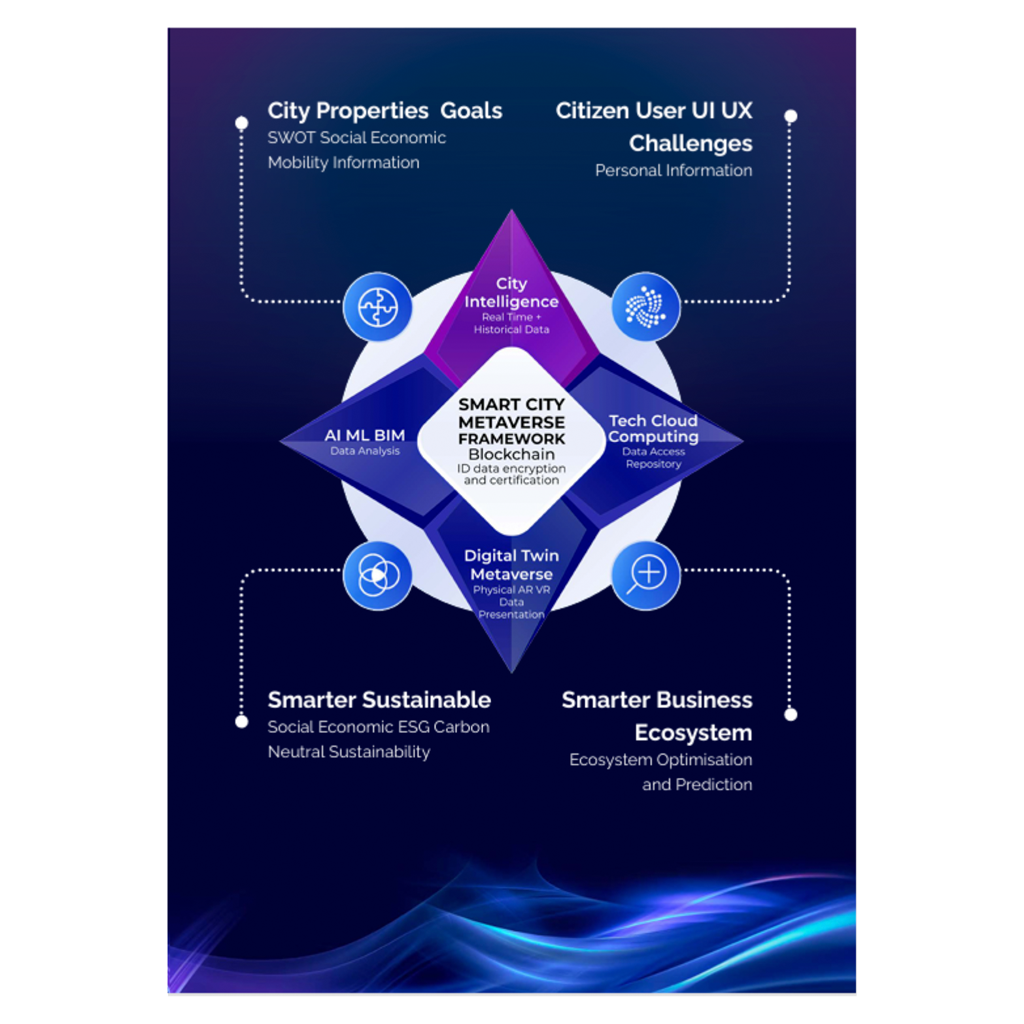
Blueprint for Smart Cities

A Social Contract

The book helps society, businesses, academic institutions, and governments with:

A research publication based on the studies carried out by:

Claim Your Book Today, Complete the Form.

Name(Required)

Why Is This Blueprint Important For You?

This report proposes a social contract model to engage the quadruple stakeholders in developing inclusive, safe, resilient and sustainable cities.The research led by Professor Kiran Fernandes and his team, together with citiesabc.com, looks at the urgency of the situation and explores the best ways to create a social contract for the development of Smart Cities.

Table of Contents

Blueprint for Smart Cities
Title Page Number
Foreword 10
Smart Cities Blueprint 13
Project Contributors 14
Acknowledgements 15
Executive Summary 16
1. Smart Cities–State of Play 18
2. Globally Connected Cities–The Need 24
3. The Need to Define Smart Cities 28
4. citiesabc indexdna–Our Framework to Define Smart Cities 32
5. Blueprint for Smart Cities–A Social Contract 64
6. Application of the Developed Blueprint for Smart Cities 78
7. Defining and Contextualising Smart Cities 84
8. Smart Cities Powerhouse Technologies 98
Glossary 112
List of Figures and Tables 142

Introduction

Executive Summary

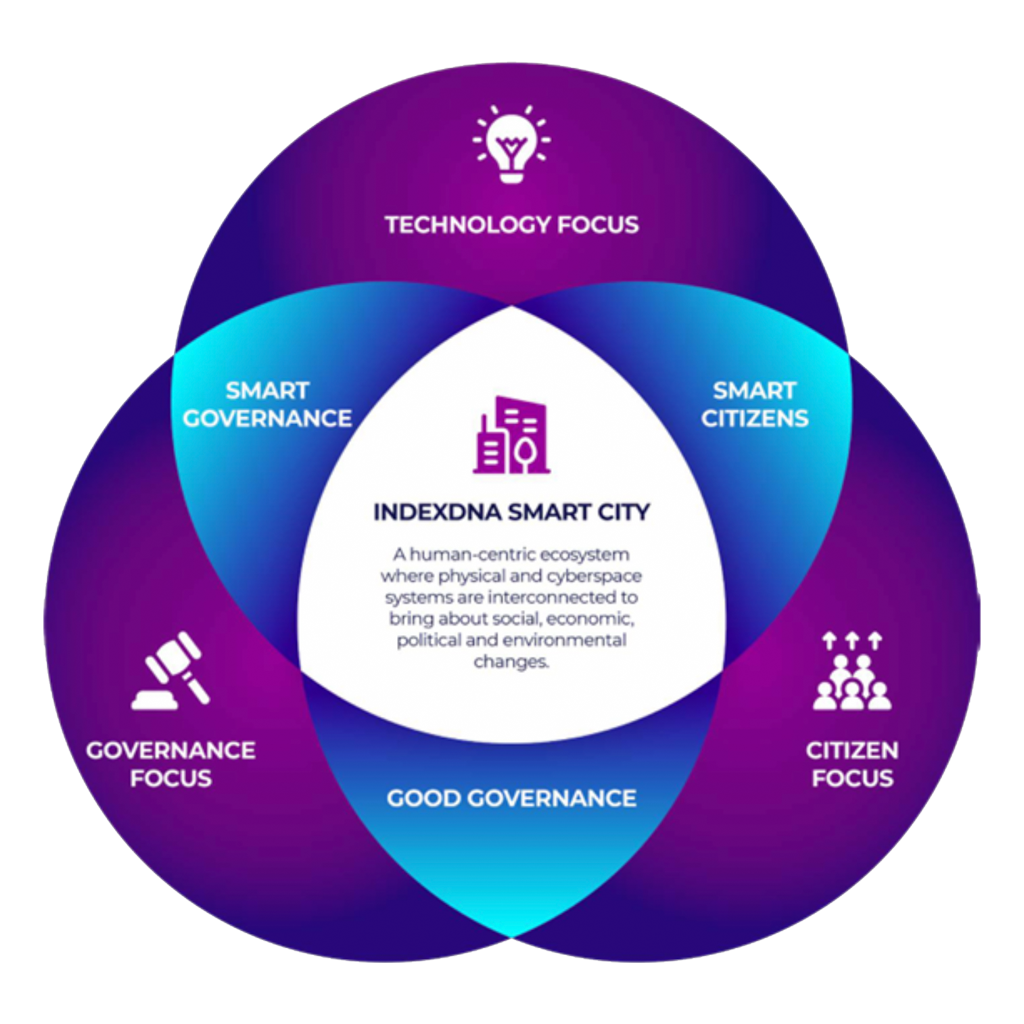
Citizens, industry, policy makers and society need to act together to create a human-centric ecosystem where physical and cyberspace systems are interconnected to bring about social, economic, political and environmental change.

The 17 Sustainable Development Goals (SDGs), adopted by United Nations Member States in 2015, provide a blueprint of how we can build a better and more sustainable future for all. These 17 challenges are set within a global context where the rate and pace of technical and societal change have profound implications for life, work, travel, and the growth of our communities. Most importantly, these changes will have a significant impact on the urban population, which is expected to be around seven billion by 2050. Living in such highly dense cities is a new phenomenon for humankind and brings about several opportunities, but also some tensions: the individual against the collective; the regional against the global; privacy against open systems; economic growth while maintaining zero carbon emissions.

There are two key challenges to be addressed in such highly dense cities: 

  1. Promoting inclusive and sustainable economic growth, full and productive employment and decent work for all (SDG8); 
  2. Making cities and human settlements inclusive, safe, resilient and sustainable (SDG 11). 

SDGs 8 and 11 are critical for allowing urbanisation to contribute to sustainable growth where inclusivity, productivity and innovation can emerge. We call this the circularity challenge. The circularity challenge refers to the process of collaboratively developing citizen-centric ecosystems, where SEPC challenges can be achieved by connecting physical and cyberspace systems. This must be done within the context of a zero-carbon environment and inclusive innovation systems.

This circularity challenge is particularly urgent and, given the speed and scale of urbanisation, which has been compounded by the COVID19 pandemic, brings large-scale challenges that are not easy to resolve. For example, policy makers have to accelerate demand for affordable housing and transport systems while ensuring that zero carbon targets are also met at the same time. Other issues like homelessness, informal settlements and conflicts are on the rise. The UN estimates that there are over one billion slum dwellers living in urban cities.

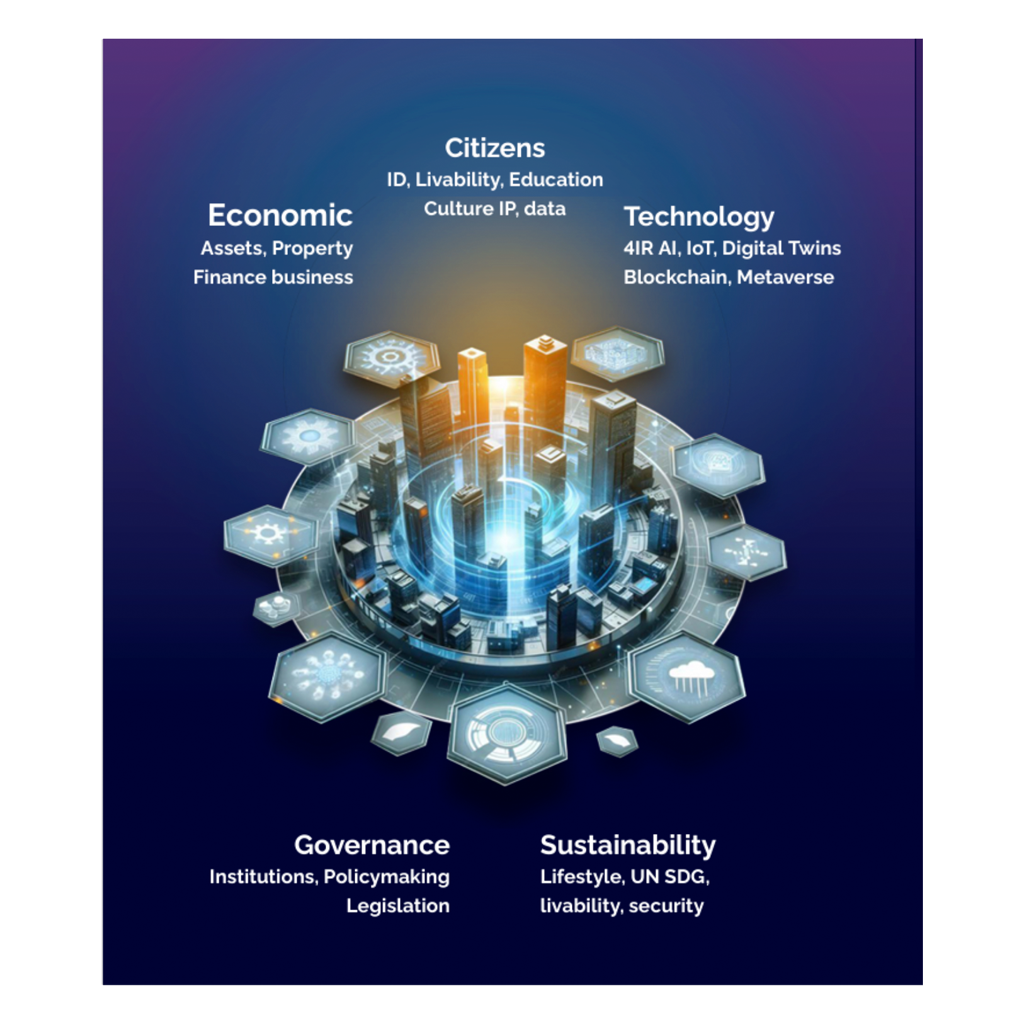
Cities play an important role in tackling climate change due to human population and the ever-growing pressure on energy usage. Cities are currently under huge pressure due to the COVID19 pandemic, which is not only impacting public health but also the economy and social wellbeing of citizens. Building cities that are inclusive, safe, resilient and sustainable requires extensive coordination between policy makers, universities, industry and citizens (also called quadruple stakeholders in our report). This report outlines a response to the circularity challenge by proposing a social contract model to engage the quadruple stakeholders in developing inclusive, safe, resilient and sustainable cities – which contributes directly to SDGs 8 & 11. We identify the following eight factors that are essential to this social contract and are detailed in this report: Innovation & Technology, People & Human Resources, Wellness, Health, Education & Liveability, Financial Funding, Leadership & Governance, Business Professional ESR, Circular Economy and Energy Net Neutrality.

Professor Kiran Fernandes, Professor Yu Xiong with Dr. Atanu Chaudhuri and Ashish Kakar

A Blueprint to build Smart Cities By Dinis Guarda – Founder of citiesabc.com / citiesabc indexdna, FreedomX. com / ztudium group

Cities are all about people’s lives, and thanks to 4IR (Fourth Industrial Revolution) technologies such as Blockchain, AI and IoT, Smart Cities have become the heartbeat of humanity.

“Men come together in cities in order to live: they remain together in order to live the good life.” — Aristotle

“What is the city but the people?“ — William Shakespeare

“Urbanization, one of humankind’s most successful and ambitious programs, is the triumph of the unnatural over the natural, the grid over the organic… Underway on a scale never before witnessed, one side effect of urbanization is the liberation of vast depopulated territories for the efficient production of ‘nature’.” — Bruce Mau

“A smart city is an intelligent town that provides enormous possibilities for human growth through art, culture, social, architectural, economic, political, environmental, and scientific flowering with the optimal mix of nature, technology, humanity, and arts.” — Amit Ray

Cities are all about people’s lives; about large, often complex social groups living and collaborating together.

Cities as diverse as London, New York, Singapore, Tokyo, Beijing, Shanghai, Shenzhen, and Barcelona offer advances and opportunities that are unique in their intent to serve millions of people through smart technologies, which identifies them as leaders of the smart city movement. Smart Cities play host to the world’s most intelligent minds and the technologies which they create, offering a forum for innovation in order to tackle both global and local challenges, such as the organisation of society, access to innovation and technology, and the uses of data. Smart Cities centralise these concerns in order to provide groundbreaking solutions. The definition of a smart city is still in flux but can broadly be defined as an urban area that uses different types of 4IR technology, namely: blockchain, artificial intelligence, and the Internet of Things (IoT) through electronic sensors that collect data and generate insights to manage assets, resources and services more efficiently.


Smart Cities, like the city states in the past, embed the highest hopes of humanity through the promise of harnessing the innovative technologies of 4IR for better lives and social harmony. However, it is important that we remember the people at the heart of these Smart Cities and avoid them becoming embodiments of a dystopian future where human lives are governed by machines. Artificial Intelligence, IoT, automation and blockchain will no doubt disrupt our lives; but with smart, intelligent urban governance, we can make sure that they disrupt them for the better. 

The research led below by Professor Kiran Fernandes and his team, together with citiesabc.com, looks at the urgency of the situation and explores the best ways to create a social contract for the development of Smart Cities.

Meet the Authors

Dinis Guarda
Founder & CEO, citiesabc.com — part of techabc (ztudium) group

Dinis Guarda is an author, speaker, serial entrepreneur, advisor, and experienced CEO, as well as the author of various books...
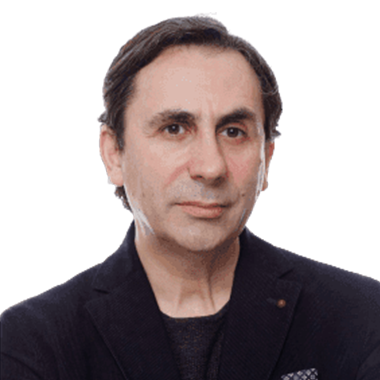
Dinis Guarda portrait
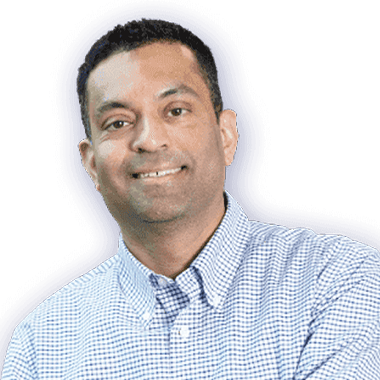
Prof. Kiran Fernandes
Executive Dean, Durham University

Professor Kiran Fernandes is the Associate Dean for Internationalisation and Professor of Operations Management at the Durham University Business School...

Prof. Kiran Fernandes portrait

Meet the Contributors

The Blueprint For Smart Cities: A Social Contract report is a product of nearly 18 months of dedicated research work carried out by university researchers, governments, and industry experts

Person 1 portrait
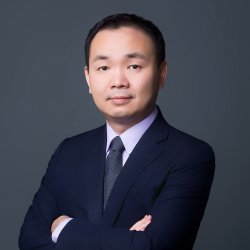
Prof. Yu Xiong
Professor in Operations Management University of Surrey

Project Report Advisor

Full Bio

Prof. Yu Xiong is the Associate Vice-President for External Engagement at the University of Surrey. He is also the founding director of Surrey Centre for Innovation and Commercialization, where he has secured approximately £2 million, the founding director of the Surrey Academy for Blockchain and Metaverse Applications, where he has obtained an additional £2 million in funding to support the university's education, training, and research in blockchain business applications, and holds the Chair of Business Analytics at the Surrey Business School.Professor Xiong's research focuses on sustainable and technological issues within global supply chains, and he has published in leading journals. His research has received funding from prominent organisations, including the EPSRC (Engineering and Physical Sciences Research Council), Research England, the Department for Business, Energy, and Industrial Strategy, the British Academy, the British Council, the Offshore Renewable Energy Catapult, the Satellite Applications Catapult, and many more private and public organisations. He was a Fellow of the University of Cambridge Institute for Sustainability Leadership, Senior Fellow of the University of Oxford Technology and Management Centre for Development, and Visiting Professor in Computer Science at the University of York and at Durham University Business School.In terms of innovation commercialisation, Professor Xiong has extensive experience working as a director and chair of companies. While in Newcastle, he facilitated an £8 million investment to establish TusPark Newcastle, which has created a significant impact on ecosystem innovation in the North of England. He is a Strategic Advisor to the Satellite Application Catapult, appointed by the CEO, and recently became the managing director and co-founder of OxValue.ai, a joint venture with the University of Oxford, focusing on early-stage technology valuation.Professor Xiong has contributed to the growth of more than 40 companies in the UK, he is also the core team member of Fotor, one of the leading Generative AI platforms in the world, that has 650 million users. In 2023, he co-founded Keath.ai, and became Chair of the board. Recently, Professor Yu Xiong has been appointed as Senior Vice President for Research of Datasection Inc., a publicly listed company based in Tokyo. Datasection specialises in AI infrastructure and has a market capitalisation of $150 million.In the sustainability domain, Professor Xiong was a company director for the ADAPT Group, running a £50 million Low Carbon Innovation Fund. He has worked on projects with UNESCO related to the Sustainable Development Goals, was a board director of 99P Recycling Limited, and served as a trustee for the charity Magna Carta World Peace and Sustainability Foundation. In 2018, he was appointed as Director and Chair of the London Fashion Fund, which is fully funded by the Mayor's Office of London to support sustainable fashion startups.In blockchain, Professor Xiong is the Chair of the advisory board of the UK's All-Party Parliamentary Group on Metaverse and Web 3.0, and Foundation Fellow to Endless Protocol. He is also a lead member of the Maxity project, supporting charity fundraising through NFTs. He is now Principal Investigator to the influential research about the tourism tokenomic model, funded by the largest tourism resort company in the world, Therme Group.Read more about Prof. Yu Xiong: https://businessabc.net/wiki/yu-xiong

Person 2 portrait
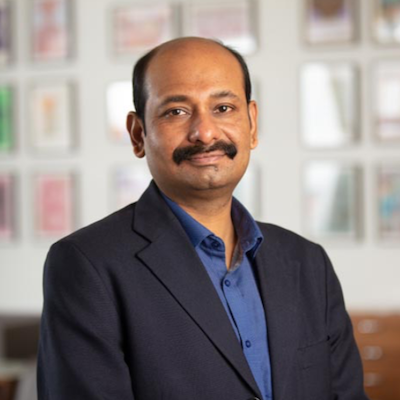
Dr. Atanu Chaudhuri
Associate Professor in Operations Management Durham University

Leader of Report Analysis

Full Bio

Dr. Atanu Chaudhuri is a Professor of Technology and Operations Management at Durham University Business School. He has nine years of industrial experience spanning automobile manufacturing, operations and supply chain consulting and research, and has worked with firms like Tata Motors, ECS Limited and Deloitte Research. He has also held academic positions at Indian Institute of Management, Lucknow and at Aalborg University, Denmark. He also leads the Digital Supply Chain working group of Mobility goes additive, a leading network for advancement and adoption of 3D Printing in mobility related industries and has been invited to speak at multiple industry forums on additive manufacturing in Denmark and Sweden.Dr. Atanu Chaudhuri’s research interests are in supply chains and business models for digital manufacturing (with particular focus on additive manufacturing technologies), supply chain risk management and supply chain integration. His research is inspired by real problems in the industry and is relevant for automotive, aerospace, industrial products, food processing, food retail and logistics industries. He is currently working on problems related to part selection for additive manufacturing, designing suitable supply chain structures and business models for additive manufacturing, design for additive manufacturing and its impact on performance, predictive analytics for maintenance and spare parts planning, risk and recall management in food supply chains and adoption of digital technologies in cold chains.He has received funding from UK-India Education and Research Initiative, Danish agency for Science and Higher Education and Innovation Fund, Denmark, and the Turkish Research Agency (TUBITAK) for his research. Dr. Chaudhuri has published in leading journals. He is also a Senior Associate Editor of International Journal of Logistics management. Dr. Chaudhuri received his doctoral degree from Indian Institute of Management, Lucknow. His Phd focussed on integrated product platform planning, pricing and launch sequence determination and supply chain design for different platforms of commercial vehicles. He holds a Bachelor's degree in Mechanical Engineering from Jadavpur University, India.

Person 3 portrait
Mr. Ashish Kakar
Research Scholar in Operations Management Durham University

Report Analysis

Full Bio

Full bio for Person Three here...

Person 4 portrait
Mr. Hilton Supra
Vice Chairman citiesabc.com part of techabc ztudium group

Project Coordinator, Report Advisor

Full Bio

Full bio for Person Four here...

Person 5 portrait
Prof. Birgitte Andersen
Chief Executive Officer Big Innovation Centre

Project Report Advisor

Full Bio

Professor Birgitte Andersen is the CEO and Founder of Big Innovation Centre, Professor of the Economics and Management of Innovation with the University of London at Birkbeck, and the Secretariat of All-Party Parliamentary Group on AI.Professor Birgitte Andersen (PhD Economics) is the CEO of London-based think-tank and innovation communications consultancy and business hub, Big Innovation Centre since 2011, and it has become a significant player in the innovation landscape in the UK, EU, and beyond.As an entrepreneur and international expert in business model innovation, Intellectual Property governance, and the weightless ‘smart’ knowledge economy, she has worked with thought leaders, innovative companies, and ‘what works’ innovators. Her work is published in renowned journals and government reports and by the trade press such as Forbes, Guardian and Coinbase; she has been called in by BBC World to offer insights numerous times and featured on Bloomberg, Al Jazeera and SKY. In addition to her role at Big Innovation Centre, she led three Secretariats for All-Party Parliamentary groups in UK Parliament on Artificial Intelligence, Blockchain and Digital Finance. She has advised economists and policymakers of national governments in and beyond Europe, including OECD, UN, and WIPO. And has served as the Rapporteur for the EU Commission representing the EU Expert Group on Knowledge Transfer and Open Innovation, and sat on the EU Expert Advisory Panel for Horizon 2020 - Societal Challenge: Europe in a Changing World – Inclusive, Innovative and Reflective Societies. She has also been appointed to the Arab League Expert Group since 2018 regarding the Digital Economy Strategy for the Arab World.

Person 6 portrait
Mr. Dilip Pungliya
Chief Business Officer at ztudium

Project Report Advisor

Full Bio

Dilip Pungliya is a technology thought leader, author, investor, and the Co-Founder, VP, and Chief Business Officer at ztudium. A thought leader, author, investor, and entrepreneur, he has a proven track record in delivering comprehensive solutions for business processes and data optimisation, including data modelling and governance. His expertise spans diverse domains, including investment and commercial banking, oil and gas, and government departments.Dilip is the Co-Founder, VP, and Chief Business Officer at ztudium Group, a global leading and maker of 4IR technologies, including Web 3.0, Artificial Intelligence, Blockchain, and Metaverse. He is also the Business and strategy advisor at Vishnu Prakash R Punglia Limited, a joint stock company that offers engineering, procurement and construction services for various infrastructure projects across India. In his experience as a Data Architect, Dilip has held top level executive positions at organisations like Shell, Department for Environment Food and Rural Affairs, a UK government entity for the environment, Deutsche Bank, ICBC Standard Bank Plc, BNP Paribas, and HSBC Investments.Dilip holds a BE in Electrical and Electronics and is a certified professional data architect. Aside from his professional achievements, Dilip Pungliya is a committed philanthropist. His active involvement in social work has significantly impacted society, particularly during the challenging times of the COVID-19 pandemic.

Person 7 portrait
Mr. Jaewon Peter Chun
President World Smart Cities Forum (WSCF)

Project Report Advisor

Full Bio

Jaewon Peter Chun serves as the President of the World Smart Cities Forum (WSCF) and has over a decade of expertise in developing smart city masterplans across regions such as London, South Korea, Vietnam, and Ukraine. Notably, in 2018, he played a pivotal role as the master planner for South Korea’s national smart city pilot project, valued at USD 6 billion.In 2021, Chun advanced his global vision by signing a mandate agreement with the Ministry of Communities and Territories Development of Ukraine (now the Ministry of Restoration of Ukraine) to design and implement nationwide smart city projects.Following the outbreak of war in Ukraine, Chun and WSCF launched the Global TWIN CITIES Initiative at the OXYGREN Summit in Liverpool in July 2023. This large-scale collaboration brings together 21 metropolitan cities worldwide with the shared mission of rebuilding Ukraine. By leveraging proven infrastructures and replicating innovative city solutions, the initiative seeks to create a powerful network of global cities working collectively to support Ukraine’s post-war recovery and future urban transformation.Beyond his leadership at WSCF, Chun has also dedicated more than 15 years to nurturing over 300 technology startups in London and New York. As the founder and CEO of XnTREE, a tech accelerator and investor specialising in smart city ventures, he has been instrumental in driving innovation and entrepreneurship on an international scale.Read more about Jaewon Peter Chun: https://businessabc.net/wiki/jaewon-peter-chun

Person 8 portrait
Mr. David Fernandes
Project Intern Ripon Grammar School

Interviewer for the Report

Full Bio

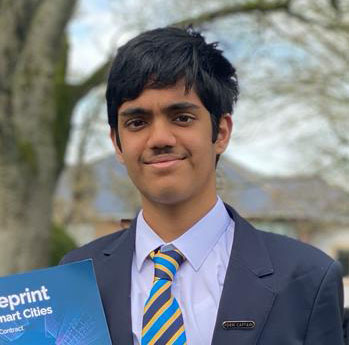
Mr. David Fernandes is a young innovator and researcher who, at just 13 years old, contributed to shaping global discussions on the future of urban development. While working with the World Smart Cities Forum (WSCF) during a summer internship, he played a role in developing the organisation’s landmark publication, the Blueprint for Smart Cities: A Social Contract, launched in March.As part of his work, Mr. Fernandes collaborated with academics from the University of Durham and the University of Surrey, gathering government and industry data on transformative technologies such as artificial intelligence and blockchain that are set to influence the design and governance of smart cities.He also conducted interviews with distinguished figures, including blockchain entrepreneur Daniel Doll-Steinberg and HRH Princess Katarina of Yugoslavia and Serbia, gaining insights into how technology and governance intersect in the making of human-centric cities.For his contributions, he was formally recognised by HRH Princess Katarina, who awarded him a Certificate of Appreciation for helping position the “human-centric ecosystem” at the heart of smart city development.

Person 9 portrait
Ms. Asako Fujisawa
Advisor World Smart Cities Forum (WSCF)

Project Report Advisor

Full Bio

Ms. Asako Fujisawa is an accomplished advisor and business leader with extensive experience in client relations, sales support, investor relations, and global asset management. Over the course of her career, she has contributed to organisations managing assets in excess of USD 568 billion, successfully supporting fundraising initiatives, leading high-performing teams, and ensuring alignment between talent and strategic business needs. She has built strong relationships with a wide range of global investors, including Sovereign Wealth Funds, major financial institutions, family offices, and wholesale clients, while excelling in cross-border, cross-functional, and cross-cultural collaboration.In addition to her financial expertise, Ms. Fujisawa is expanding her capabilities in the digital domain, currently pursuing the Google Digital Marketing & E-commerce Career Certificate. Her training spans SEO, Google Analytics, content strategy, email marketing, Google Ads, and e-commerce platforms such as Shopify. She has a particular interest in UX, customer lifecycle management, and performance optimisation, complementing her strong business background with cutting-edge digital skills.Since 2022, she has been an Advisor to the World Smart Cities Forum (WSCF), where she contributes strategic intelligence, represents the forum as a panel speaker, supports the launch of the Smart Cities Index, and facilitates global collaboration. She previously served as an Advisor to Ambassador HRH Princess Katarina of Yugoslavia and Serbia, providing intelligence briefings, preparing speeches and interviews, and supporting the ambassador during high-level conferences.Ms. Fujisawa is also the President of the Inter-Cultural Society of London, a role she has held since 2018. Through this organisation, she promotes cultural understanding and fosters meaningful connections across nationalities, genders, and creeds via interactive events.Her earlier professional career spans over 16 years at Nomura Asset Management, where she advanced from Client Relationship and Business Management Executive to Head of Sales Support. In these roles, she developed and managed relationships with global investors, coordinated sales strategies, and provided leadership in business operations. She also gained valuable industry experience as part of Merrill Lynch’s Corporate Access team between 2007 and 2009.Academically, Ms. Fujisawa earned a BA in Chinese from SOAS, University of London (2001), reflecting her international and cross-cultural outlook. With her unique blend of financial expertise, cultural leadership, and growing digital marketing proficiency, she continues to bridge the worlds of global finance, smart city innovation, and digital transformation.

Foreword

Who this collection is for

Produced by

In partnership with

Sign up now and get early access to

Ztudium’s latest releases.

intelligenthq.com is a digital innovation business network that provides intelligence, education for professionals, businesses, startups and universities. intelligenthq.com is a platform about business insights, tech, 4IR, digital transformation and growth, executive education and change through the social media for businesses – both startups and corporations.