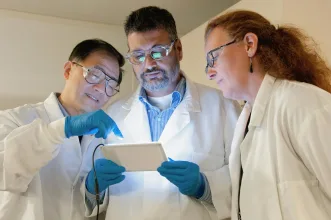
The Stevens Institute of Technology campus is a dynamic place where learning and innovation come together. Whether you’re new to the university or have been here a while, understanding the campus vibe, the resources available, and the chances to get involved is important for making the most of your time. This guide aims to help you explore everything from community connections to academic help, so you can have a good experience at Stevens.
Key Takeaways
- Getting involved in campus activities helps build connections and friendships.
- Learning the main campus spots makes it easier to get around.
- Using academic support services can help with your studies.
- There are many student groups and activities to join.
- Health and well-being services are available to support students.
Embracing the Stevens Spirit: Campus Culture and Community
The Stevens Institute of Technology is more than just a place for classes; it’s a community where students connect, learn, and grow together. You’ll find that the campus buzzes with a unique energy, a blend of focused academic pursuits and a lively social scene. This spirit is built on shared experiences and a mutual respect that permeates daily interactions.
A Blend of Traditions and Modern Ideas
Stevens successfully mixes its long-standing traditions with forward-thinking ideas. This creates an environment that feels both established and innovative. You’ll see this in how students approach projects, from group study sessions that feel like collaborative workshops to campus events that honor history while looking to the future. It’s a place where you can learn from the past while actively shaping what comes next.
Fostering Diversity and Inclusion
Stevens is committed to creating a welcoming space for everyone. The student body comes from many different backgrounds, bringing a wide range of perspectives. This diversity is celebrated through various campus activities and discussions, making it easier for students to find their place and feel supported. The institute actively works to ensure that all students feel included and have the opportunity to succeed.
Everyday Interactions and Collaborative Events
Daily life at Stevens is characterized by open communication and a willingness to work together. Whether you’re in a lecture hall, a study lounge, or a campus cafe, you’ll find students engaging in conversations, sharing ideas, and helping each other out. Collaborative events, from hackathons to cultural festivals, are common. These gatherings are not just for fun; they are opportunities to build connections, learn from one another, and strengthen the sense of community.
The campus environment encourages a proactive approach to learning and social engagement. Students are often involved in discussions that bridge academic subjects with real-world applications, making the learning experience dynamic and relevant.
Here’s a look at how students typically engage:
- Student Organizations: A wide array of clubs cater to diverse interests, from academic societies to hobby groups.
- Campus Events: Regular events, including guest lectures, cultural celebrations, and social mixers, provide platforms for interaction.
- Study Groups: Informal and formal study groups are common, promoting peer-to-peer learning and support.
These activities are central to the Stevens experience, helping students build friendships and develop a strong sense of belonging.
Navigating the Stevens Institute of Technology Campus Environment
Stevens Institute of Technology’s campus, situated on the Hudson River, offers a unique environment that blends academic pursuits with a vibrant community. While the hilly terrain and interconnected buildings might initially seem a bit daunting, getting acquainted with the campus layout is straightforward with a little guidance. This section aims to help you find your way around, highlighting key spots and offering practical advice for all students, whether you’re a first-year student or returning for advanced studies.
Familiarizing yourself with prominent campus landmarks is the first step to feeling at home. These locations serve as excellent reference points and are often centers of student activity. Knowing these key spots will significantly simplify your daily movements across campus.
- The Babbio Center: A central hub for engineering and science departments, often bustling with activity.
- The Samuel C. Williams Library: More than just a place for books, it’s a hub for research and quiet study.
- The Wesley J. Howe Center: Houses administrative offices and classrooms, a frequent destination for many.
- The Higgins Hall: Home to various academic programs and student services.
The campus is generally divided into several key areas, each with its own character and purpose. Understanding these zones can help you plan your day more effectively.
- Upper Campus: Features many of the main academic buildings, including the library and administrative offices. It offers great views of the Manhattan skyline.
- Lower Campus: Primarily consists of residential halls and recreational facilities. It’s a more relaxed area, especially in the evenings.
- The Pierce Dining Hall Area: A central point for meals and casual student gatherings.
The campus’s proximity to Hoboken’s main streets means you’re never too far from local amenities, but it’s good to know where the main academic and social centers are within the university grounds itself. Planning your routes between classes, especially if they are on opposite sides of the campus, can save you valuable time.
Whether you’re starting your academic journey or returning to higher education, a few tips can make your campus experience smoother:
- Utilize Campus Maps: Both physical maps and the online interactive map available on the Stevens website are invaluable tools. The virtual tour can also provide a good preview.
- Attend Orientation Sessions: These sessions are specifically designed to introduce you to campus life, resources, and how to get around. Don’t hesitate to ask questions.
- Connect with Peers: Talk to upperclassmen or join student groups. They often have the best insider tips on getting around and finding hidden gems on campus.
- Plan Your Commute: If you’re a commuter, familiarize yourself with parking options and public transport routes. Consider using campus shuttles if available. You can find information on transportation and parking permits through the university’s student services portal.
Campus Resources for Academic Success
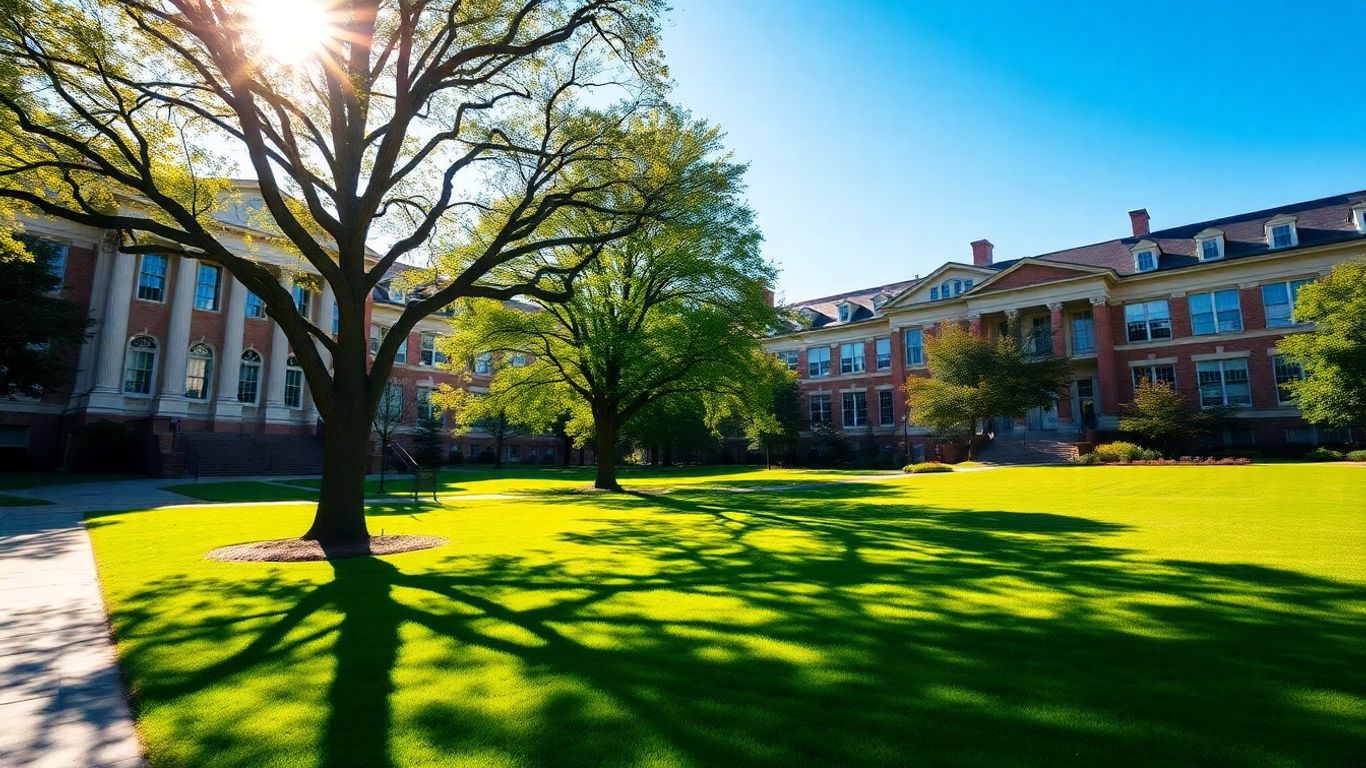
Stevens Institute of Technology is committed to providing students with a range of resources to support their academic journey. From libraries to tutoring services, the campus is equipped to help students achieve their academic goals. Let’s explore what’s available.
The Samuel C. Williams Library: A Hub for Research
The Samuel C. Williams Library is more than just a place to borrow books. It’s a hub for research, collaboration, and quiet study. You can find a vast collection of books, journals, and digital resources. The library also provides access to online databases and research tools. Librarians are available to assist with research projects and information literacy skills. It’s a great place to buckle down and get stuff done.
Academic Support Services for Student Achievement
Stevens offers a variety of academic support services designed to help students succeed. These include tutoring sessions, writing workshops, and academic advising. Here’s a quick look at some support options:
- Academic Advising: Helps you plan your course load and academic path.
- Writing Centers: Assists with essays, reports, and making your ideas clear on paper.
- Tutoring Programs: Provides extra help in subjects where you might be struggling.
Here is a table outlining some key services:
| Service | Benefit |
|---|---|
| Academic Advising | Course planning and guidance |
| Writing Centers | Help with essays and reports |
| Tutoring Programs | Extra help in tough subjects |
Engaging in class discussions is a key element in understanding complex topics. Students are encouraged to share ideas and clarify doubts, which creates an environment where learning is a shared experience.
Diverse Study Spaces for Optimal Productivity
Finding your ideal study space can boost your focus and productivity. The campus has several quiet nooks and vibrant spaces that cater to different study needs. Consider these options:
- Quiet Library Corner: Very quiet, with books and individual study tables.
- Campus Cafe: Casual background noise, with coffee and group seating.
- Outdoor Lawn: Open and airy, with natural light and relaxation areas.
Experiment with different settings to find where you concentrate best. Checking the noise level early in the day can also help you choose a spot that suits your style.
Student Life and Engagement Opportunities
Stevens Institute of Technology provides a wide array of avenues for students to connect, grow, and make the most of their college years. Getting involved is a fantastic way to build friendships and discover new interests.
Exploring Student Organizations and Activities
Stevens is home to a diverse range of student organizations, catering to nearly every interest imaginable. Whether your passion lies in technology, the arts, community service, or academic pursuits, there’s a group for you. These organizations are more than just clubs; they are communities where students collaborate, learn from each other, and develop leadership skills. Many groups meet regularly, offering consistent opportunities for engagement.
Here’s a look at some common types of student organizations:
- Academic and Professional Clubs: Focus on career development, industry insights, and subject-specific learning. They often host guest speakers and networking events.
- Cultural and Interest Clubs: Celebrate diverse backgrounds and shared hobbies, providing a space for social interaction and cultural exchange.
- Student Government: Represents the student body, working on campus policies and advocating for student needs.
- Sports and Recreational Clubs: From intramural sports to outdoor adventure groups, these clubs promote physical activity and team spirit.
Participating in Cultural Events
Beyond formal organizations, Stevens actively promotes a rich cultural calendar. Throughout the year, the campus hosts various events, performances, and lectures that expose students to different perspectives and traditions. These events are often opportunities to engage with faculty, guest artists, and speakers, broadening your understanding of the world. Participating in these activities can be a refreshing break from academic work and a chance to experience the arts and diverse cultures firsthand.
Engaging with the broader campus community through these events helps create a more dynamic and inclusive environment for everyone.
Building Support Networks Through Peer Programs
Developing a strong support system is vital for success at Stevens. The institute offers several peer-to-peer programs designed to help students connect and support one another. These initiatives range from formal mentoring programs, where experienced students guide newer ones, to informal study groups that foster collaboration and shared learning. Building these connections can provide academic assistance, personal encouragement, and lasting friendships. Exploring these programs is a smart step for any student looking to thrive during their time at Stevens. You can find more information on how to prepare for interviews and build professional connections at executive mentoring programs.
Here are some ways to build your network:
- Join a study group: Collaborate with classmates on assignments and course material.
- Participate in peer mentoring: Connect with an upperclassman for guidance and advice.
- Attend social events: Meet fellow students in a relaxed, informal setting.
Essential Services for Student Well-being
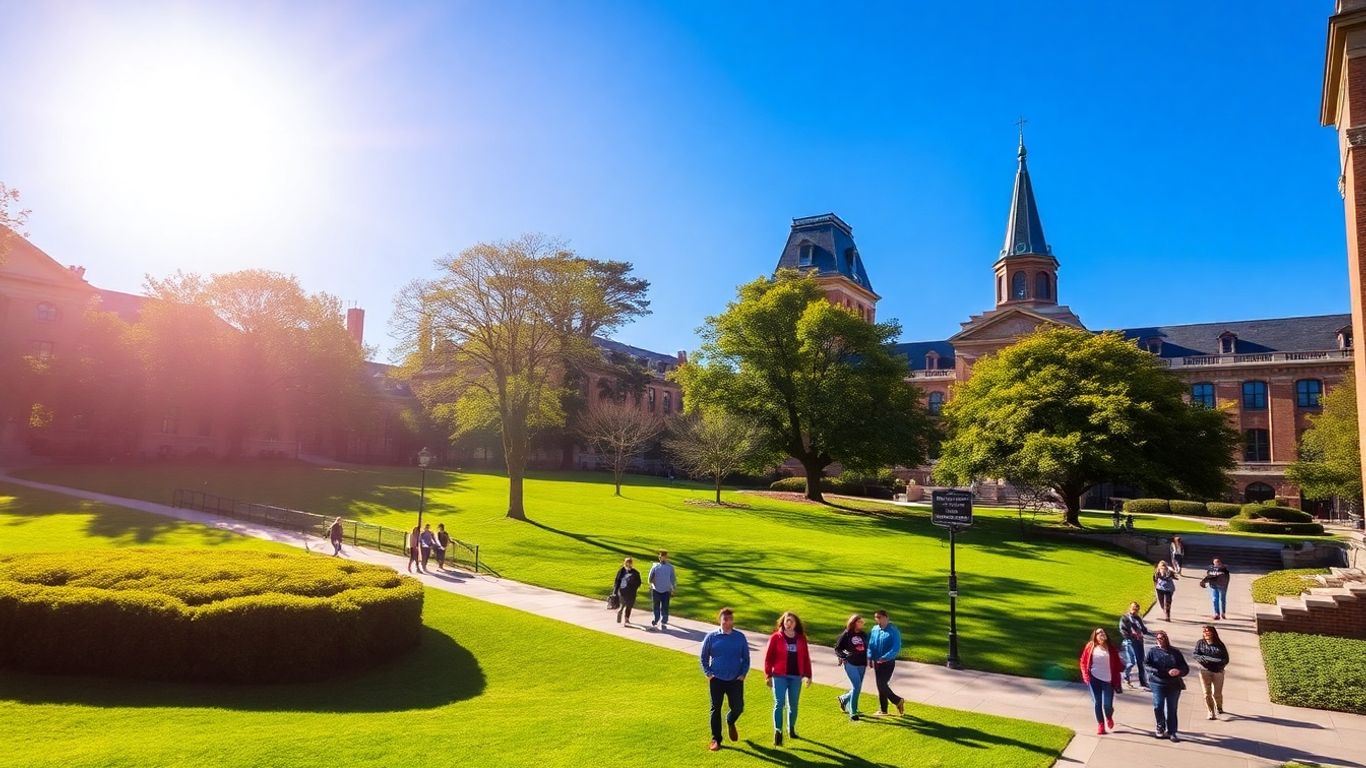
Taking care of yourself is a big part of succeeding in college. Stevens Institute of Technology understands this and provides a variety of services to help students stay healthy and balanced, both physically and mentally. It’s all about making sure you have the support you need to do your best.
Health and Wellness Support Options
Stevens offers several ways to keep you feeling your best. Student Health Services acts like your on-campus clinic. They can help with common illnesses, provide preventive care, and even give referrals if you need to see a specialist. You can book appointments online through the Healthy Stevens portal. While they have regular weekday hours, there’s also an on-call nurse available 24/7 if you need to talk to someone outside of normal hours.
When college life gets tough, Counseling and Psychological Services (CAPS) is there for you. They provide free and private counseling to help with things like adjusting to campus, managing stress, or dealing with anxiety and depression. CAPS offers individual and group therapy, and they can also help in a crisis. If you need more specialized or long-term care, they can point you toward local professionals.
Staying active is also a big part of well-being. The campus recreation center has equipment and programs, plus there are intramural sports, group fitness classes, and even outdoor trips. It’s a good way to de-stress and meet people.
Commuter Student Services and Resources
For students who don’t live on campus, Stevens makes sure you’re just as connected and supported. The Commuter Student Association (CSA) is a key resource. It’s a group that speaks up for commuter students, organizes events, and helps build a sense of community. Joining the CSA is a great way to connect with other students who commute, share experiences, and get involved in campus activities. They often hold events and workshops that are specifically for commuters, addressing the unique aspects of commuting to college.
Guidance on Campus Living and Adjustments
Adjusting to college life can bring its own set of challenges, whether you live on campus or commute. Stevens provides resources to help make this transition smoother. For those living in residence halls, these spaces are designed to be safe and convenient, with staff available to help. They offer a built-in community and easy access to classes and campus events. For all students, understanding the available support systems, like health services, counseling, and student organizations, can make a big difference in your overall experience. It’s good to know where to turn when you need assistance or just want to connect with others.
Remember, taking advantage of the services available at Stevens is a smart way to manage your well-being. It’s not just about academics; it’s about your overall health and happiness during your time here.
A Glimpse into Stevens’ History and Innovation
Stevens Institute of Technology, established in 1870, has a rich legacy rooted in a forward-thinking vision. Edwin Augustus Stevens, the founder, aimed to create an institution that would prepare engineers and innovators for the rapidly changing industrial world of the 19th century. This foundational goal continues to shape the university’s approach to education and research today.
Founding Vision and Notable Milestones
From its inception, Stevens has been a place of pioneering work. Early achievements included significant contributions to maritime engineering and advancements in early computing. Over the decades, the institute has consistently pushed boundaries, playing a role in technological developments that have impacted various sectors. Stevens has consistently adapted and led through periods of significant technological and societal change.
Academic Programs and Hands-On Learning
The academic structure at Stevens is designed to equip students with practical skills alongside theoretical knowledge. Programs span engineering, computer science, business, and the sciences, all emphasizing interdisciplinary collaboration. This approach ensures graduates are ready to tackle complex, real-world problems.
- Focus on project-based learning
- Opportunities for internships and co-ops
- Integration of emerging technologies in coursework
The university’s commitment to hands-on learning means students are not just studying concepts but actively applying them, often in collaboration with industry partners. This practical experience is a hallmark of a Stevens education.
Faculty Expertise and Research Initiatives
Stevens is home to faculty who are leaders in their fields, actively engaged in research that addresses current global challenges. Their work spans areas like renewable energy, artificial intelligence, and cybersecurity. These research efforts not only advance knowledge but also provide students with direct involvement in cutting-edge projects. You can explore some of the ongoing research and faculty profiles on the Stevens website.
Key areas of faculty research include:
- Sustainable energy solutions
- Advanced materials science
- Biomedical engineering innovations
- Cybersecurity and data science
Wrapping Up Your Stevens Experience
As you explore Stevens Institute of Technology, remember that it’s more than just classrooms and labs. It’s a community, a place to grow, and a launchpad for your future. From the quiet corners of the library to the buzz of student activities, there are countless ways to connect and learn. Take advantage of the resources available, get involved, and don’t hesitate to reach out for support. Your time here is a unique opportunity to build friendships, gain knowledge, and discover your path. Embrace the journey, and make the most of everything Stevens has to offer. It’s a place where your ideas can take flight, and your hard work can truly pay off.
Frequently Asked Questions
What are the main points to remember for a good experience at Stevens?
To have a great time at Stevens, try to get involved in campus events to meet new people. Learn your way around campus by checking out important spots. Don’t hesitate to use the school’s help for your studies. Also, make sure to check campus news often so you don’t miss anything important.
How does Stevens support students who are new to college life?
When you first arrive, Stevens has events to help you get settled. These can include tours of the campus, chances to meet other students and staff, and sessions where you can ask questions about the school’s services. There are also workshops to help you adjust and older students who can share their experiences.
What kind of help is available if I need it for my schoolwork?
Stevens offers many ways to get academic help. You can find tutors for different subjects, get feedback on your writing from the writing center, and talk to academic advisors about your classes and goals. The library is also a great place to study and find research materials.
Besides classes, what else can I do at Stevens?
Stevens has lots of clubs and activities for students. You can join groups focused on things like science, art, sports, or cultural interests. Participating in these activities is a good way to meet friends, learn new skills, and explore your hobbies.
What services are there to help students stay healthy and happy?
The school provides health services, including counseling if you need someone to talk to. There are also ways to stay active, like fitness options. For students who live off-campus, there are special services and groups to help them connect and get around.
How can I find out about the history of Stevens?
You can learn about Stevens’ past by looking into its founding and important moments. The school offers many programs that focus on learning by doing, and the teachers are experts in their fields, often working on new research projects that you can learn about.