Why Empowerment Matters
Infertility affects millions of people worldwide. The World Health Organization estimates that one in six adults will face infertility at some point in their lives. For many, the journey feels overwhelming. Medical treatments are often expensive, stressful, and uncertain. It can feel like control has been taken away.
Reproductive empowerment is about shifting that narrative. It’s about giving individuals the tools, knowledge, and choices they need to take charge of their fertility journey.
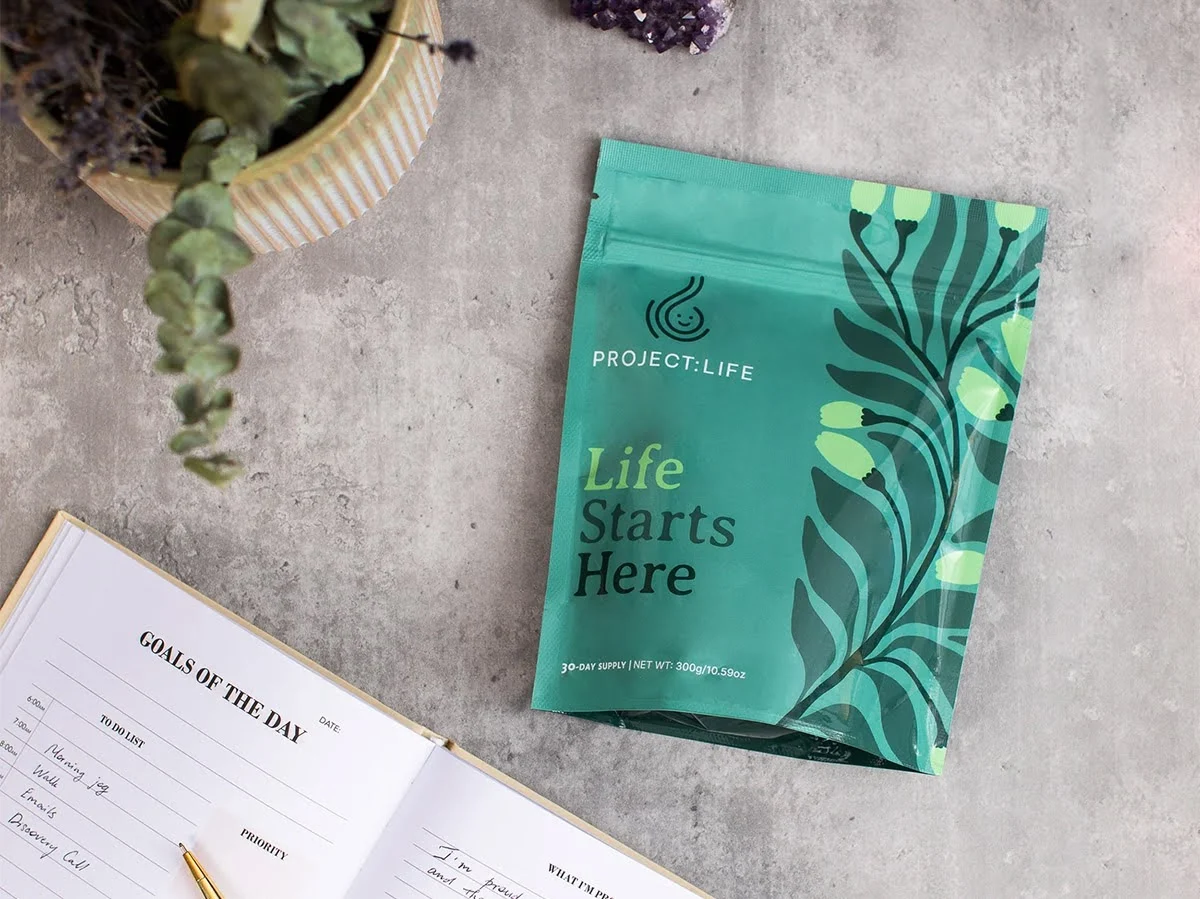
One leader in this space is Project Life, founded in Toronto by Dr. Yun Ye and his daughter Selina. With more than 40 years of clinical experience, Dr. Ye has supported thousands of families through Traditional Chinese Medicine (TCM). The company now uses his expertise to provide personalised, herbal-based fertility solutions. “We built Project Life because so many people came to us after years of trying with no answers,” Selina explained. “They felt powerless, and we wanted to help them take back that power.”
Understanding Fertility as Whole-Body Health
Fertility is not just about reproductive organs. Hormones, stress, sleep, nutrition, and mental health all play a role. Ignoring these factors means ignoring opportunities for improvement.
Project Life uses a 50-question quiz to uncover underlying issues. “We had one client who struggled with irregular cycles for years,” Selina shared. “Her main issue turned out to be poor sleep and chronic stress. Once we addressed those with herbs, her cycle stabilised, and she became pregnant within months.”
This approach highlights an important truth: empowerment begins with understanding your own body.
Taking Back Control Through Knowledge
Learn the Basics
Track your cycles. Pay attention to changes in energy, sleep, and mood. Keep notes on how stress or diet affects your body.
Ask Questions
Don’t be afraid to ask providers why certain treatments are recommended. Understanding the reasoning helps you make informed decisions.
Explore Alternatives
IVF is valuable but not the only path. Studies show that integrative approaches combining lifestyle changes and TCM increase pregnancy rates by more than 60% compared to standard care alone.
Knowledge transforms confusion into clarity. It allows you to see options rather than dead ends.
Natural Tools for Empowerment
Herbal Support
Customised herbal formulations can regulate hormones, improve blood flow, and address specific imbalances. Unlike general supplements, they are tailored to individual needs.
Nutrition and Lifestyle
Simple changes can create big results. Cutting processed food, reducing caffeine, and focusing on balanced meals support hormone health. Exercise and stress management play equal roles.
Mind-Body Practices
Stress directly affects fertility. Short daily practices—such as yoga, meditation, or even five minutes of deep breathing—reduce cortisol and improve overall well-being.
Male Fertility Support
About 40–50% of infertility cases involve male factors. Both partners need attention. Herbal protocols and lifestyle shifts can improve sperm count and motility.
Breaking Free from Hopelessness
Infertility often brings feelings of guilt, shame, or failure. Empowerment means breaking out of that mindset.
One Project Life client shared how three failed IVF cycles left her feeling defeated. The personalised program she received focused on regulating her cycle and improving sleep. Within six months, she conceived naturally. She said the biggest change was not just the pregnancy but feeling in control again.
“That sense of control is what we want to give people,” Selina said. “Even when results take time, knowing you have tools and a plan makes the journey less frightening.”
Practical Steps for Your Journey
Step 1: Take Inventory
List your current habits. Sleep, diet, stress, exercise. Notice patterns that could be affecting your fertility.
Step 2: Seek Personalised Guidance
Work with a trusted provider who tailors recommendations to your unique situation. Avoid one-size-fits-all approaches.
Step 3: Commit to Consistency
Most natural protocols take 3–6 months to show results. Track progress and stay committed.
Step 4: Include Your Partner
Fertility is a shared journey. Make lifestyle changes together to build support and accountability.
Step 5: Protect Your Mental Health
Find a support group, therapist, or friend to share the emotional load. Fertility challenges are not meant to be faced alone.
Why Empowerment is the Future of Fertility Care
Fertility care is often framed as a series of clinical procedures. But empowerment reframes it as a holistic journey. It recognises the importance of physical, emotional, and mental health.
The growing demand for natural and integrative care reflects this shift. A survey by Euromonitor found that 71% of consumers want more control over their health choices. Fertility is no exception.
By combining traditional knowledge, modern research, and personalised care, people can find new ways forward.
Final Thoughts
Taking back control of your fertility journey doesn’t mean rejecting medical treatment. It means widening the scope of options and understanding that your body has power. It means building resilience, finding balance, and trusting a process that supports the whole person.
As Selina from Project Life put it: “Fertility is not just about conception. It’s about restoring health and reclaiming hope. That’s the real definition of empowerment.”