The world of gemstones has always been associated with timeless beauty, rarity, and craftsmanship. For centuries, purchasing gems meant visiting a jeweler, physically examining a stone’s brilliance, and placing trust in the expertise of artisans. Today, technology is transforming every step of the gemstone journey, from mining and authentication to purchase and customization.
Digital advances and scientific innovation have opened doors to new opportunities for transparency, personalization, and ethical practices in the gemstone industry. This transformation reflects the changing expectations of modern consumers who demand authenticity, convenience, and sustainability.
This article explores the innovative technologies that are fundamentally changing the way we buy and wear gems.
The Digital Marketplace for Gems
The rise of online marketplaces is one of the most significant technological shifts in the gem industry. Consumers can now browse global collections of gemstones from the comfort of their homes, eliminating the need to visit multiple physical stores.
E-commerce platforms are enhancing the buying experience with high-resolution images and 360-degree videos, which allow customers to examine every detail of a gem.
This digital transformation is backed by strong market trends. According to November 2024 data from Grand View Research, 70% of direct-to-consumer (D2C) jewelry brands operate both online and offline.
Furthermore, online retail channels in the global jewelry market are projected to experience the fastest growth, with a CAGR of 7.9% from 2025 to 2033. This growth is driven by increasing internet access, mobile commerce, and shifting consumer preferences toward the convenience of online shopping.
The Role of Artificial Intelligence in Gem Selection
Artificial Intelligence (AI) is reshaping how gemstones are chosen, making the process more accurate and personalized. AI can analyze key features of a gemstone, including cut, clarity, color, and carat weight, to provide a reliable quality score. This reduces subjectivity and minimizes the errors that can occur with traditional grading methods.
The market for AI in gemstone grading is growing rapidly. According to Market.Us, the global AI diamond grading market is projected to reach approximately USD 3.2 billion by 2034, up from USD 750 million in 2024. The market is growing at a compound annual growth rate (CAGR) of 15.6%.
For consumers, this means more trustworthy and informed purchases, as AI-driven platforms can also offer personalized recommendations based on their preferences. For sellers, AI streamlines inventory management, ensuring a diverse selection.
From an Engagement Ring to a Gemstone Necklace: Leibish Explains How Customization Works
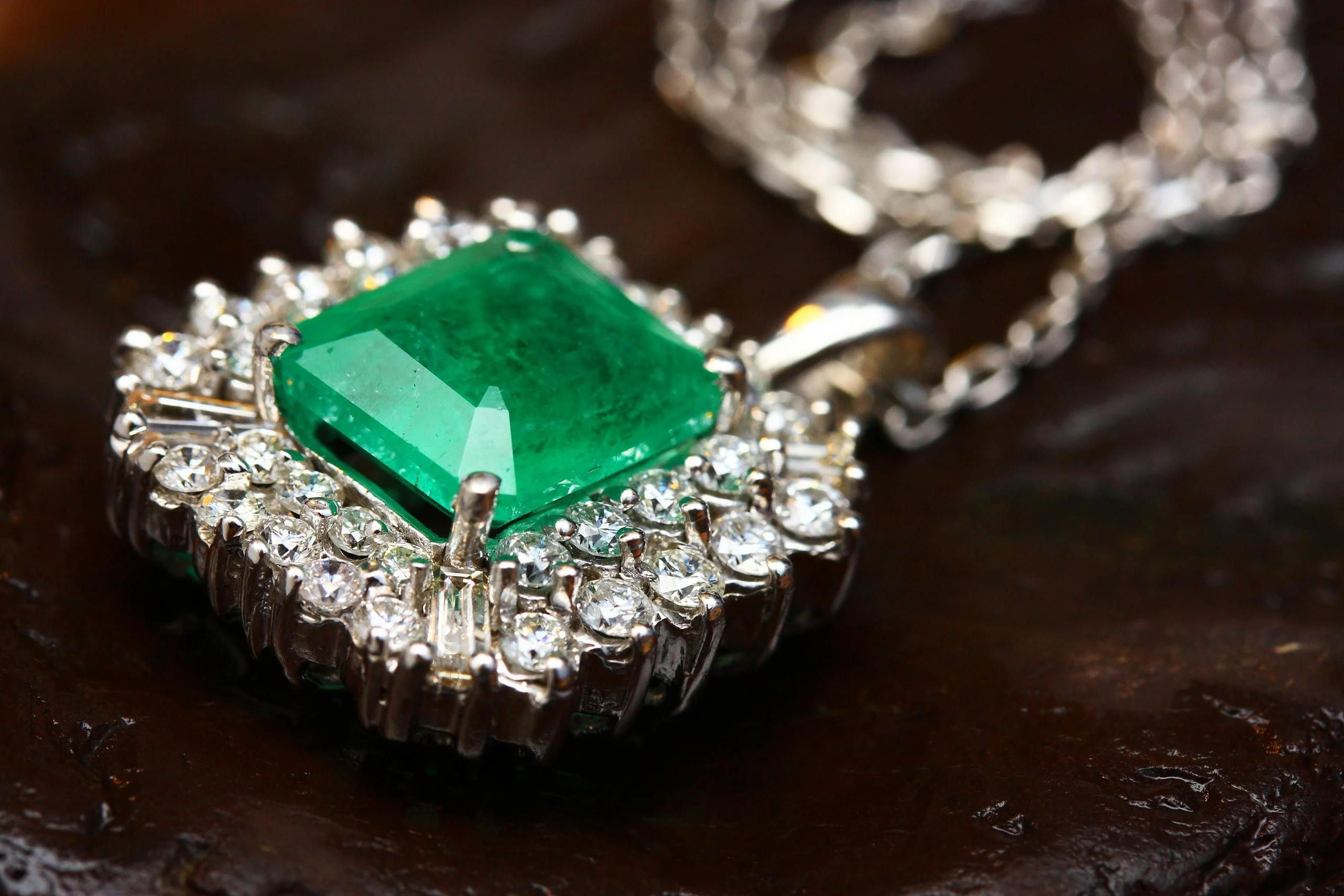
Technology has revolutionized the way rare and beautiful gemstones are designed and brought to life in jewelry. In the past, creating a personalized necklace or an engagement ring required extensive in-person collaboration with a jeweler. Today, online design tools, 3D modeling software, and virtual try-on features allow customers to craft unique pieces entirely online.
Buyers can select their preferred gemstone, explore different cuts and settings, and see in real time how the finished necklace will look. Augmented reality apps even let customers “wear” the necklace digitally before purchase, ensuring it perfectly aligns with their style.
According to Leibish, jewelry manufacturing generally takes between 14 and 22 business days, whether it’s a ring, bracelet, earrings, pendant, or necklace. This technology-driven approach transforms a gemstone necklace into a deeply personal creation, seamlessly blending style, sentiment, and innovation.
Wearable Tech Meets High-End Jewelry
The worlds of wearable technology and high jewelry are merging, giving rise to a fascinating new category of accessories. Designers are embedding gemstones into smart devices such as watches, rings, and pendants, transforming jewelry from purely decorative pieces into functional tools. A gemstone ring can now track fitness, while a necklace may securely store digital data.
This innovation is already hitting the market. As noted by Yahoo!, brands like Rollme are leading the way with products such as the R5 Gemstones smart ring. Inspired by classic jewelry designs, this dual-ring device combines “gemstones” with advanced technology, offering a blend of luxury and utility.
The popularity of smart rings, led by the Oura Ring and Samsung Galaxy Ring, shows consumers embrace jewelry that is both stylish and smart.
Immersive Shopping with Virtual and Augmented Reality
Immersive technologies are revolutionizing the gem buying experience. Virtual Reality (VR) allows customers to enter digital showrooms and explore gems in lifelike detail, letting them “handle” and rotate stones to observe their interaction with light.
This goes beyond static images, providing a crucial, realistic view. Augmented Reality (AR) takes this a step further by letting buyers virtually “try on” jewelry, from rings to necklaces, using their phone’s camera. This reduces guesswork and returns, building consumer confidence.
The retail industry is rapidly adopting these technologies, with the global VR in retail market projected to grow significantly. According to GlobeNewswire, the market was valued at $3.33 billion in 2023 and is expected to reach $26.28 billion by 2032, with an impressive CAGR of 26.2%. This growth highlights how immersive tech is transforming shopping with interactive, engaging, and reassuring experiences for consumers.
How Technology Enhances Gemstone Security
The gemstone industry has long been vulnerable to fraud and illicit trading. Today, technology is providing powerful solutions. Blockchain technology, in particular, creates a secure, immutable ledger that tracks a gemstone’s journey from its origin to the final buyer. This digital chain of custody prevents tampering and provides an unalterable record of ownership and authenticity.
According to a study published in Nature, blockchain is an ideal solution due to its decentralized nature and use of smart contracts. The system uses technologies like IPFS (InterPlanetary File System) to store certificate templates, ensuring full traceability and transparency.
This level of security protects retailers and builds consumer trust, ensuring that every purchase is genuine, ethically sourced, and has a verified history.
FAQs
How is AI used in the jewelry industry?
AI is used in the jewelry industry to assess gemstone quality by analyzing cut, clarity, color, and carat weight. It provides personalized recommendations for buyers and streamlines inventory management for sellers. Combined with AR and blockchain, it enhances transparency, accuracy, and efficiency in gemstone selection, authentication, and sales.
Can AI identify gemstones?
Yes, AI can identify gemstones by analyzing factors like cut, clarity, color, and carat weight. Advanced algorithms compare these attributes against large datasets to accurately determine gemstone type and quality. Combined with imaging technologies, AI reduces human error, ensures consistency, and enhances authentication in the jewelry industry.
What is the future of the jewelry industry?
The future of the jewelry industry is shaped by technology, sustainability, and personalization. Innovations like AI, AR, VR, and blockchain will enhance design, shopping, and authentication. Consumers will seek ethical sourcing, customizable pieces, and smart jewelry, blending style with functionality. Transparency, efficiency, and immersive experiences will define modern jewelry trends.
Technology is reshaping every step of the gemstone journey, from sourcing and authentication to purchasing and personalization. For consumers, this brings greater control, enhanced transparency, and the ability to own jewelry that blends modern innovation with timeless elegance.
Rather than replacing tradition, technology enhances it, making the world of gemstones more exciting, secure, and perfectly aligned with the future.