The Curiosity That Comes Before the Needle
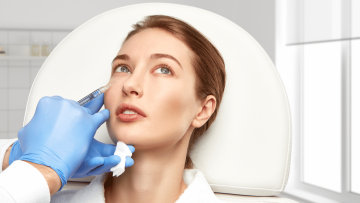
There’s a quiet moment that happens before any filler treatment. A patient sits down, glances in the mirror, and wonders: what if? What would it look like if I softened that fold, defined that jawline, or added a little fullness back to my cheeks? The questions pile up. But up until recently, answers only came after the procedure. That uncertainty was the leap.
Now, the leap feels smaller. Technology has found its way into the treatment room, not just in syringes and products but in screens and simulations. Patients don’t have to rely only on their imagination or a practitioner’s hand-drawn sketch. They can see it first. Almost as if looking at a version of themselves from the future.
Why Patients Want to See It First
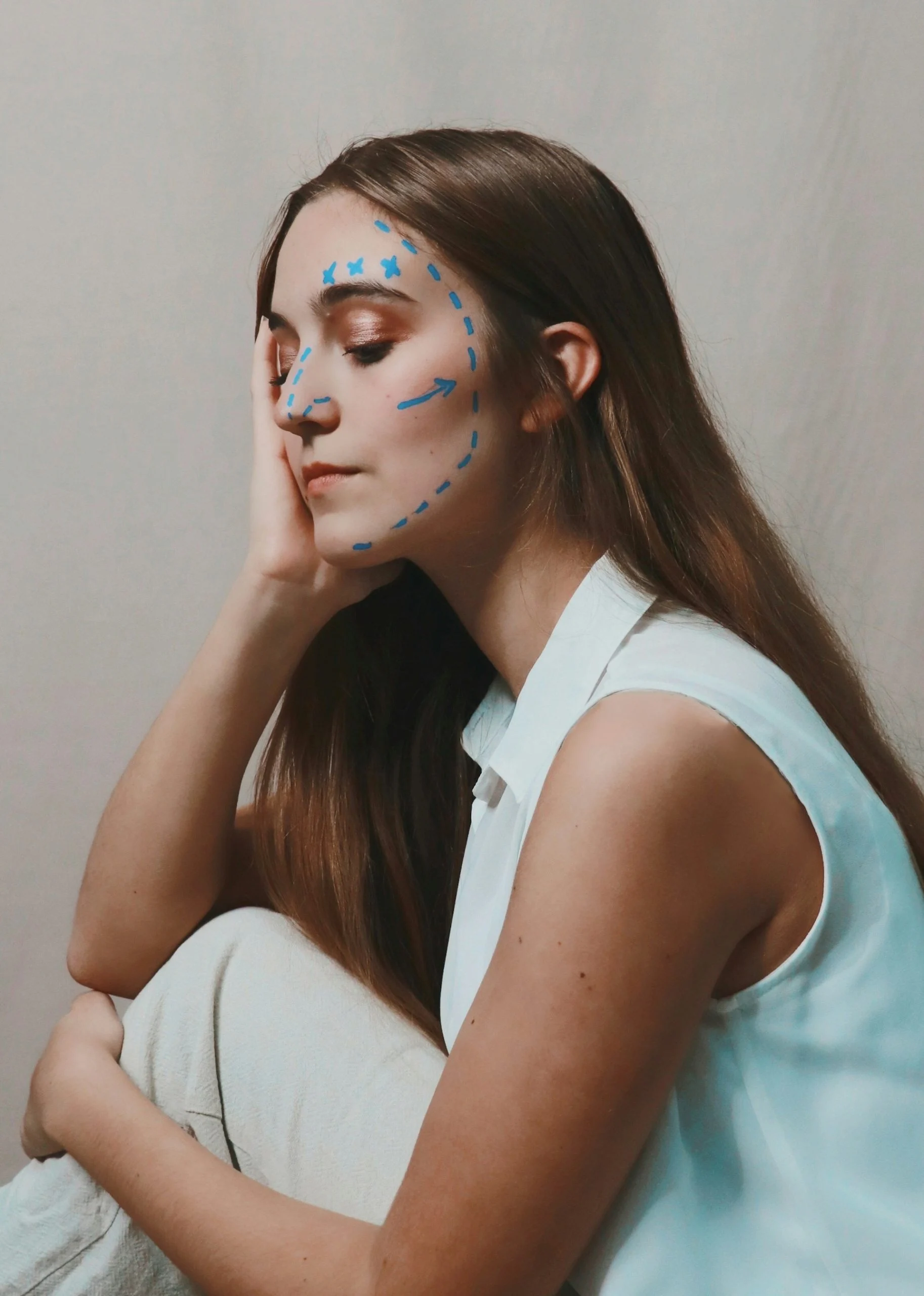
No one likes surprises when it comes to their face. That’s the simplest truth. Treatments might be reversible or temporary, but still, the fear of “what if it doesn’t look like me anymore” lingers. This is where 3D imaging and augmented reality step in. They offer reassurance. They also spark curiosity—people often ask to try out different looks they wouldn’t have considered otherwise.
And for practitioners, it helps manage expectations. When both sides are looking at the same visual model, there’s less room for misunderstanding. Words like “subtle,” “lifted,” or “more natural” can mean very different things. A simulation makes those words tangible.
Where Tech Meets Aesthetics
This shift isn’t about replacing skill. The hands of a practitioner still shape the final outcome. But digital previews create a new kind of collaboration. It becomes a dialogue: here’s what the patient wants, here’s what might be possible, and here’s what it could look like.
That’s why clinics are gradually introducing more advanced visualization systems. Many of them work with high-resolution scanners that capture the patient’s current facial structure from every angle. The software then maps out possible filler placements. Some even use AR filters layered in real time, so patients can tilt their head and see the changes respond naturally, like looking into a smart mirror.
This isn’t fantasy. It’s a growing part of how aesthetic medicine is practiced today. It also connects directly to the products that make the changes real.
From Curiosity to Confidence
It’s one thing to explain that a filler can restore volume. It’s another to show exactly how that volume looks on a person’s own face. That’s the real strength of 3D imaging. It transforms abstract ideas into something that feels personal and possible.
Patients who are hesitant often find themselves more confident once they’ve seen a preview. Some even decide to go forward with treatments they had been postponing for years. It’s not persuasion. It’s reassurance that the result will still look like them—just refreshed.
Dermal fillers are still the backbone of what makes these previews meaningful. The imaging only works because it’s based on how actual fillers behave in tissue: how they add volume, smooth lines, or sharpen contours. Every projection is essentially a digital rehearsal of what fillers can do in real life. That’s why the simulation feels convincing—it mirrors the way these products interact with the skin. For anyone considering treatment, exploring trusted options for dermal fillers becomes the next step in turning the preview into reality.
Not Just About Vanity
It’s easy to think of these tools as purely cosmetic. But they also play a role in reconstruction and medical aesthetics. Someone recovering from facial trauma, or someone with asymmetry that affects their confidence, can see potential improvements ahead of time. For them, the preview is not a luxury; it’s a crucial part of making an informed choice.
The Experience of Simulation
What does a session actually look like? Usually, the patient sits in front of a scanner or a tablet equipped with specialized software. A series of photos are taken, or the system maps their features live. Then, the practitioner adjusts settings on screen: a little more volume here, a smoother contour there.
- Some systems allow side-by-side comparisons: before and after on split screens.
- Others let you slide back and forth, like a dimmer switch for your own face.
- A few even allow different filler types to be simulated, each with its own subtle finish.
The process feels oddly empowering. It puts some of the control in the patient’s hands without taking away the practitioner’s expertise.
The Emotional Side of Tech in Aesthetics
There’s a subtle psychological effect at play too. Seeing yourself already looking better—before anything has even been injected—creates a mental bridge to the treatment. It makes the idea less abstract. Patients often smile when they see the preview. That shift in mood carries into the treatment itself, lowering anxiety.
It’s almost like test-driving a car. You may have read the specs, talked about the features, but it’s only once you sit inside and hold the wheel that you decide if it’s right for you.
Are There Downsides?
Like any tool, 3D imaging and AR previews have their limitations. Results are projections, not guarantees. Skin texture, healing responses, and technique can all affect the final look. If patients treat the simulation as a promise, disappointment can creep in.
That’s why practitioners need to set clear boundaries. They explain that the software is a guide, not a guarantee. It’s there to start the conversation, not end it.
Another challenge is cost. Not every clinic has the budget for advanced imaging systems. Smaller practices may rely on simpler apps or photo editing tools. But as technology becomes more common, the gap is slowly narrowing.
How It Changes the Practitioner’s Role
Interestingly, these tools also shift how practitioners approach consultations. Instead of spending most of the time explaining, they’re showing. That changes the dynamic. Patients ask more specific questions, like “what if we only did half a syringe” or “how would it look if I didn’t touch the lips but focused on the jawline.”
It creates a more interactive consultation, almost like co-designing a look. Practitioners, in turn, can use the preview to highlight natural boundaries: what’s possible and what isn’t.
The Future of Visualization in Aesthetics
Looking ahead, the technology is only going to get sharper. Imagine combining facial scanning with predictive AI that not only shows the result of fillers but also how it will look six months later. Or AR that works on a patient’s own phone at home, giving them a private trial before they even book a consultation.
Some companies are already experimenting with VR headsets for a fully immersive view. Patients could walk around their own 3D face, inspecting every angle. It may sound futuristic, but it’s not far away.
Why This Matters for the Industry
The aesthetic field thrives on trust. Patients hand over their faces, sometimes their confidence, to practitioners. Anything that strengthens that trust becomes valuable. And visualization tech does exactly that. It reduces doubt, minimizes miscommunication, and creates a smoother path from curiosity to treatment.
For clinics, it also sets them apart. Offering previews can be a deciding factor for patients choosing between two providers. It signals professionalism and a willingness to invest in patient comfort, not just procedures.
A Patient’s Perspective
Ask anyone who has tried these previews, and most will say the same: it feels like a relief. Instead of hoping for the best, they see a version of themselves that looks both familiar and improved. It doesn’t feel like guesswork anymore.
That shift—seeing before believing—may be the quiet revolution happening in aesthetics right now.
Final Thoughts
3D imaging and AR aren’t magic tricks. They don’t replace artistry, nor do they remove uncertainty completely. But they do something equally important: they give patients a glimpse. A chance to step into their own “after” before committing.
And sometimes, that’s all it takes for someone to move from hesitation to confidence. Not because the technology promises perfection, but because it makes the future feel a little more certain, and a little closer.