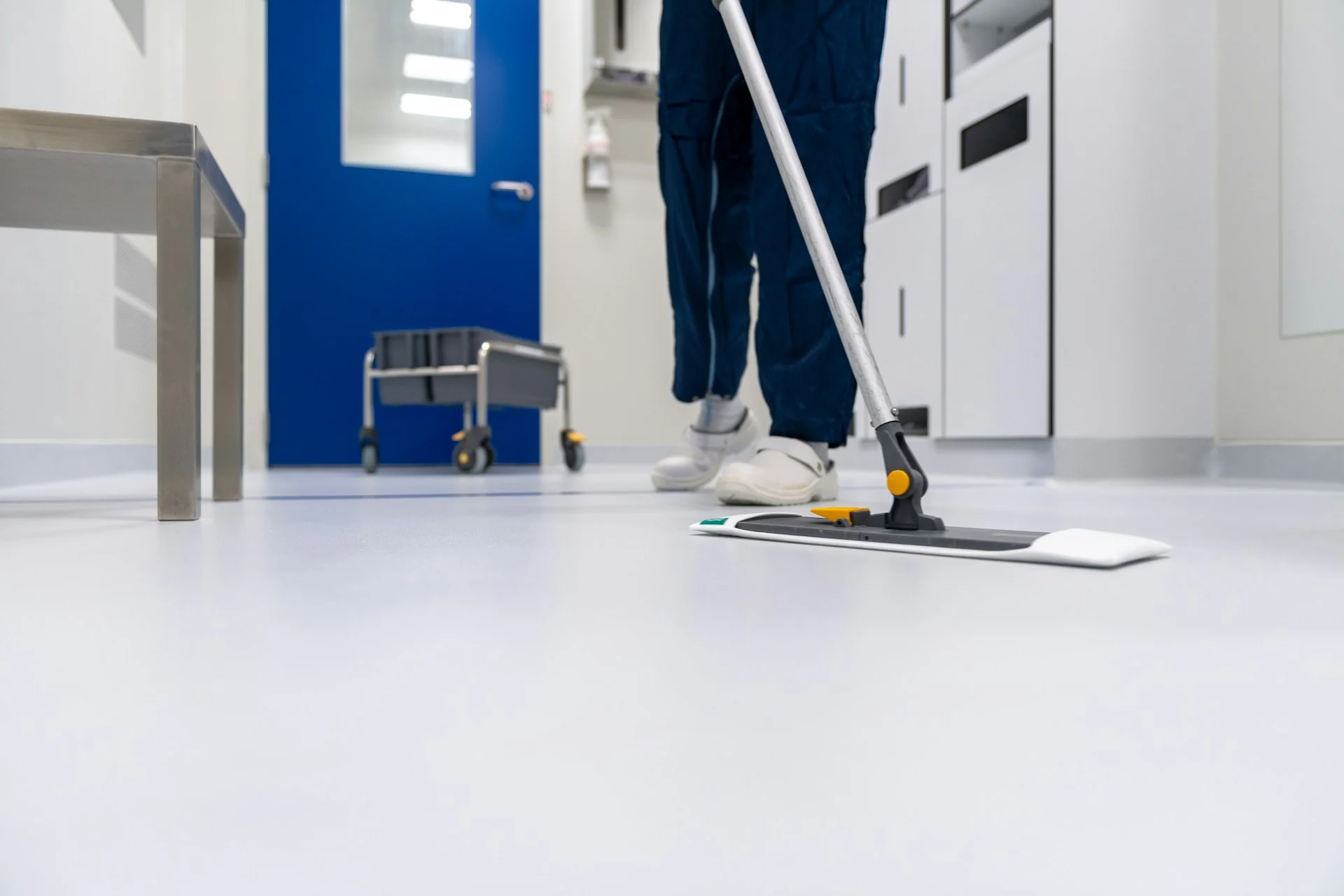
When you think about dangerous jobs or risky tasks, cleaning probably doesn’t top the list. Yet every year, thousands of people are injured due to slips, trips, and falls, many of them during routine cleaning. These accidents aren’t just minor inconveniences; they can lead to sprains, fractures, head injuries, or worse.
Whether you’re cleaning your home, managing an office, or supervising a janitorial team, understanding the risks and how to prevent them can make all the difference. Here’s what you need to know about avoiding common cleaning-related accidents and creating a safer environment for everyone.
The Risks Behind Cleaning Tasks
Cleaning might seem like a straightforward task, but it comes with a variety of hidden hazards. Wet floors, loose cords, scattered tools, and poorly chosen footwear can turn an everyday chore into an accident waiting to happen.
Some common scenarios:
- A wet kitchen floor with no warning sign
- A vacuum cord stretching across a hallway
- A misplaced mop bucket in a dimly lit room
- Someone climbing a shaky chair to dust a ceiling fan
It only takes a second of distraction or a moment of poor planning for these situations to result in injury. According to the National Safety Council, falls are one of the leading causes of unintentional injury-related deaths. Cleaning-related tasks are no exception.
Slips: The Hidden Danger of Wet Surfaces
Slips are usually caused by a loss of traction between the foot and the floor. Cleaning often involves liquids so it’s no surprise that wet or freshly mopped floors are prime slip zones.
How to Prevent Slips During Cleaning:
- Always use wet floor signs. Even at home, letting others know the floor is slippery can prevent accidents.
- Mop with the right product. Some cleaning solutions leave residue, making surfaces more slippery than clean water alone.
- Work in sections. Clean smaller areas at a time so that drying happens quickly and people can avoid wet zones.
- Footwear matters. Shoes with good grip can prevent a slide on tile or linoleum.
If you’re cleaning a high-traffic area like a lobby or kitchen, consider doing it during off-hours or setting up clear detours to reduce foot traffic across freshly cleaned floors.
Trips: Watch Your Step
Trips happen when your foot strikes an object or an uneven surface, causing a loss of balance. Cleaning involves tools, equipment, and supplies all of which can become tripping hazards if not stored or used properly.
Common Tripping Hazards:
- Extension cords and vacuum cables
- Buckets or cleaning carts left in walkways
- Folded rugs or uneven flooring
- Cluttered spaces where supplies are left on the floor
How to Prevent Trips:
- Keep cords organized and out of walkways. Use cord covers or tape them down temporarily.
- Place tools back in the cart or designated area when not in use.
- Avoid multitasking while walking. Carrying multiple items blocks your view and increases the chance of tripping.
- Keeping floors and surfaces clear clutter is the enemy of safety.
A simple practice like doing a visual sweep of the area before and after cleaning can help catch and correct potential hazards.
Falls: The High Cost of Carelessness
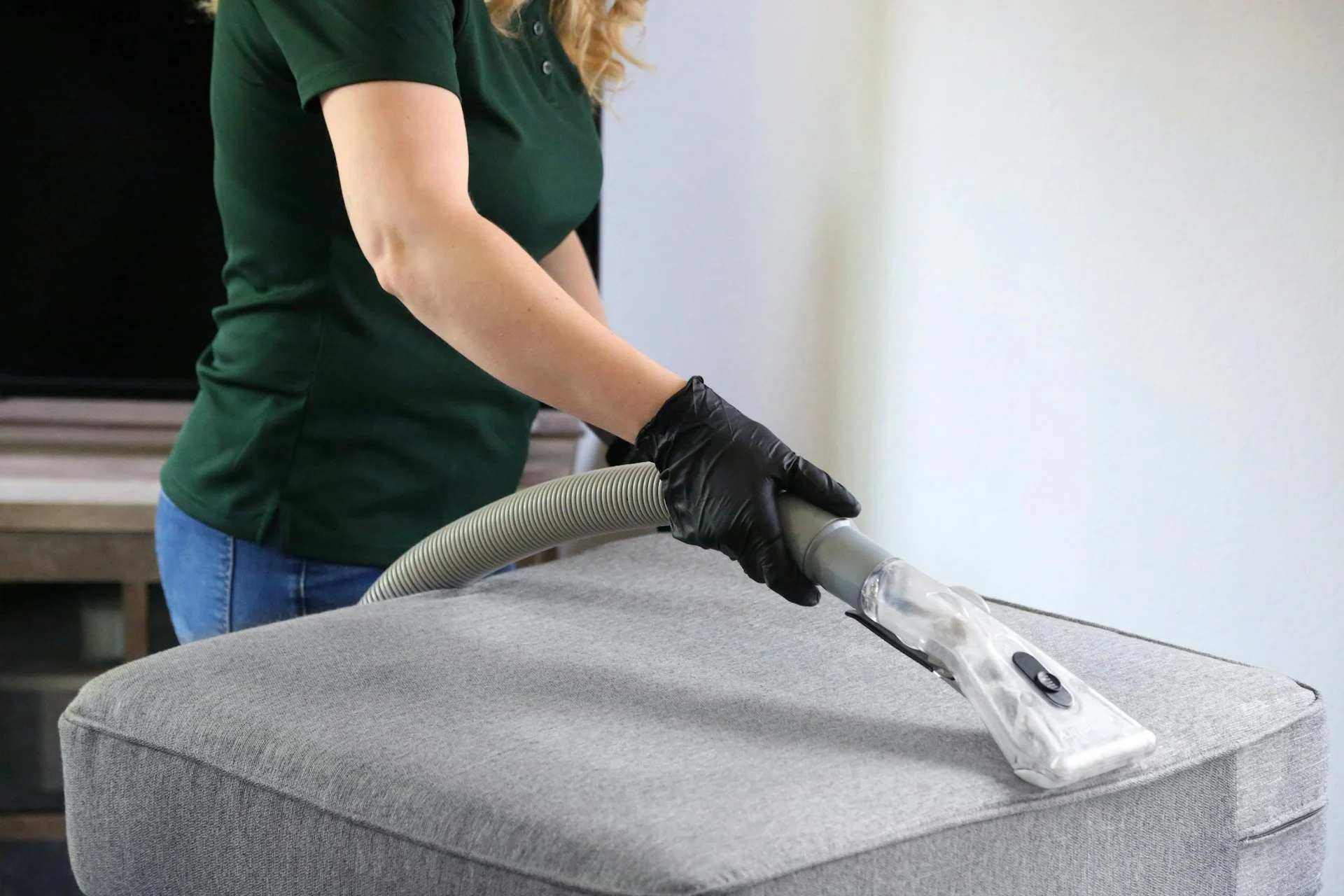
Falls are often more serious than slips or trips. They typically involve a loss of balance from a height, even a short one. Cleaning tasks like dusting shelves, washing windows, or reaching into high cabinets often tempt people to climb onto unstable surfaces.
Where Falls Happen:
- Using a rolling chair instead of a step ladder
- Stretching too far while standing on a stool
- Not locking the ladder properly before use
Fall Prevention Tips:
- Use the right equipment. A step ladder or sturdy stool with grip pads is safer than improvising with furniture.
- Don’t overreach. If you can’t reach something comfortably, reposition or get a taller ladder.
- Ensure stability. Set up ladders on flat, dry surfaces and never stand on the top step.
- Work with a partner when possible. Having someone spot you can prevent accidents or offer immediate help if one occurs.
Even for quick, seemingly harmless tasks, taking shortcuts can have painful consequences. Make ladder safety part of your cleaning checklist.
Best Practices for a Safer Cleaning Routine
Good habits are the foundation of safety. Whether you’re cleaning solo or managing a team, adopting a thoughtful and deliberate approach can reduce the risk of injury.
General Safety Practices:
- Plan your cleaning route. Avoid backtracking over wet floors or carrying supplies in a way that blocks your view.
- Use proper PPE (personal protective equipment). Non-slip shoes, gloves, and even knee pads for scrubbing can help protect your body.
- Don’t rush. Accidents often happen when people are hurrying. Give yourself time to do the job safely and thoroughly.
- Train regularly. If you manage a team, make safety training part of your regular schedule.
Even at home, reviewing your cleaning routine and thinking critically about how you move, carry, and store things can go a long way toward accident prevention.
Tools and Products That Can Help
Safety isn’t just about technique it’s also about using the right tools. Investing in high-quality cleaning gear can reduce effort and make tasks safer.
Recommended Tools:
- Anti-slip mats in high-traffic or wet areas like bathrooms and kitchens
- Cord organizers to keep vacuum cables and chargers neat
- Lightweight, ergonomic mops and brooms to reduce strain
- Sturdy step stools with rubber grips
There are also floor treatments and coatings that increase surface grip, especially in industrial or commercial settings. If you frequently clean slippery surfaces, these can be a worthwhile investment.
What to Do If an Accident Happens
Even with the best planning, accidents can happen. Knowing how to respond quickly and correctly can reduce the impact and help prevent future incidents.
Immediate Steps:
- Stop and assess. If someone is hurt, check for injuries and determine if medical help is needed.
- First aid. Clean and bandage minor cuts, apply ice to swelling, and avoid moving someone with potential back or head injuries.
- Report and document. In workplaces, all incidents, even minor ones, should be logged for review, and injured employees may benefit from consulting workers’ compensation lawyers to understand their rights and options..
- Analyze the cause. Look at what went wrong and how it could be prevented next time.
Conclusion
Slips, trips, and falls during cleaning aren’t just flukes; they’re often the result of predictable risks that can be addressed with better awareness and planning. By recognizing common hazards, using the right tools, and following basic safety principles, you can make your cleaning routine not just more effective, but safer too.
Take a moment today to walk through your cleaning space. What’s lying in your path? What can be moved, organized, or changed to reduce risk?
If an accident does occur, legal help for work injuries can ensure you’re properly represented and compensated