Running a business today without real-time tracking is like trying to drive a race car with your eyes closed. You might get somewhere eventually. However, it’s probably going to be a total mess. You might also crash into a few things along the way.
Yet, you might still rely on yesterday’s data to make today’s decisions. That’s like checking the weather report from last week to decide if you need an umbrella now.
So what exactly is real-time tracking, and why should it matter to you? Let’s find out.
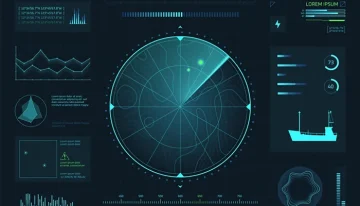
It’s Your Radar
Real-time tracking is the difference between knowing what’s happening right now versus guessing based on what happened 12 hours ago. Imagine yourself running a delivery company, and one of your drivers is stuck in traffic. Another took a longer route, and a third is heading to the wrong location. If you only check their status at the end of the day, you’ve already lost customers and wasted fuel. However, real-time tracking lets you know that instantly. You reroute Driver #1, correct Driver #3, and apologize to no one. This is because the mistake never got the chance to become a problem.
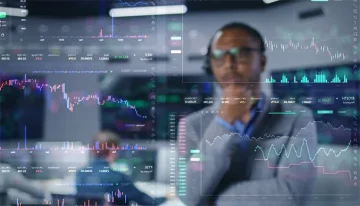
Data That Doesn’t Nap
You’re collecting tons of it. Sales, customer behavior, inventory, shipments, website traffic. All of that might be a flood. However, data that remains static becomes stale. It loses value faster than day-old donuts.
Real-time tracking keeps your data awake. It gives you the power to respond and adapt in the moment. If your online store suddenly spikes in traffic from a viral TikTok, you can adjust stock and ramp up customer service before you miss the wave.
Real-Time = Real Money
Here’s the part everyone loves: the dollars. Real-time tracking can directly save and make your business money in the following ways.
- Lower operational costs
Spot inefficiencies while they’re happening, not after they’ve cost you thousands.
- Reduce waste
Especially in industries like food, pharmaceuticals, or logistics, where delays or missteps can mean throwing money away.
- Happier customers
Which means more loyalty and more referrals.
- Smarter decisions
Stop making choices based on hunches or tradition. Start using current, accurate data.
Use Cases That’ll Make You Say “Why Aren’t We Doing This?”
You might be wondering: “Sure, sounds cool. But is it useful in my industry?”
The answer is yes.
- Retail
Know what’s selling as it sells. Move inventory, launch promotions, or shift strategy mid-day.
- Logistics & Delivery
Track vehicles, optimize routes, and give customers Uber-style updates.
- Manufacturing
Monitor machines, anticipate downtime, and adjust output instantly.
- Healthcare
Monitor patient flow, equipment usage, or medication stock in high-stakes environments.
- E-commerce
Monitor traffic, conversions, cart abandonments, and fulfillment as they happen.
- Service industry
Utilise real-time feedback to enhance performance, identify issues, and exceed your clients’ expectations.
So, Where Do You Start?
Don’t feel pressured to overhaul everything overnight. Start small. Pick one area of your business where delays or data blind spots are costing you the most. Then, explore tools that can provide real-time tracking in that area.
Maybe it’s your delivery routes. Maybe it’s your inventory system. Maybe it’s customer service dashboards.
Ask yourself the following questions.
- Where are we constantly reacting too late?
- Where are mistakes happening repeatedly?
- What do we wish we knew sooner?
That’s your starting point. Then, introduce a system or software that provides visibility. Integrate it into your workflows. Set alerts or dashboards. And watch how quickly the dominoes fall in your favor.
Bottom line
Real-time tracking is about control. It’s about owning your operations instead of constantly playing catch-up. Because in business, timing isn’t everything, it’s the only thing. With real-time tracking, your timing will always be precise.