In the latest episode of the Dinis Guarda Podcast, Dr Chris Trace, Chief Academic Officer at KEATH.ai, shares how AI is reshaping education, the need for critical adaptability, and why embracing disruption is key to preparing learners for the future. The podcast is powered by Businessabc.net, Citiesabc.com, Wisdomia.ai, and Sportsabc.org.
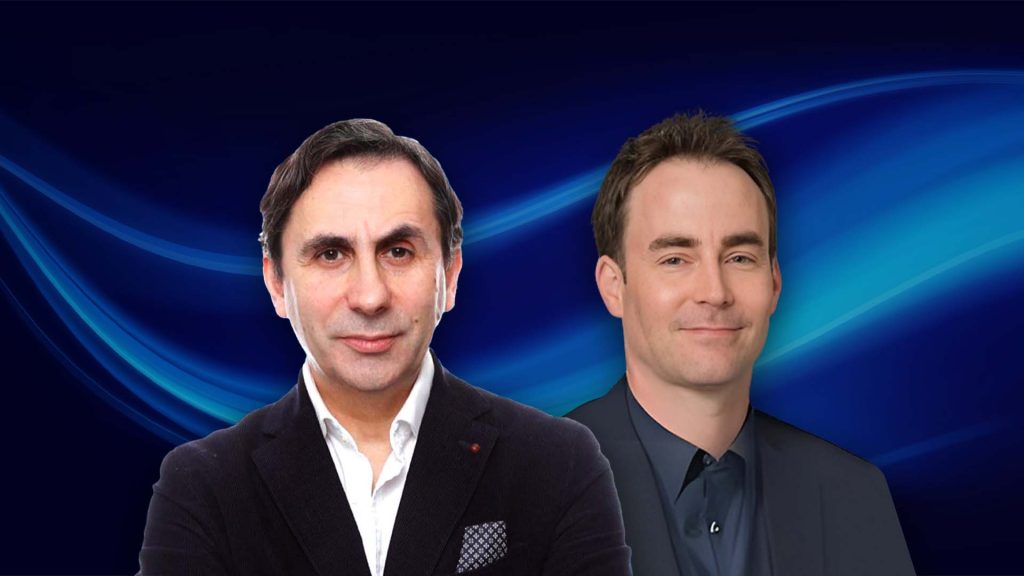
Dr. Chris Trace is the Chief Academic Officer at KEATH.ai, an AI EdTech start-up that originated from the University of Surrey. He has also represented KEATH.ai at significant platforms, including UNESCO in Paris and the Royal College of Veterinary Surgeons (RCVS) in London. Prior to this, Dr. Chris was the Head of Digital Learning at the University of Surrey, where he led digital innovation and supported academic staff in using contemporary technological tools.
During the interview, Dr. Chris discusses the impact of AI on education:
“AI has been around for a while, but it just wasn’t in the public consciousness.
LLMs and what they can do, it’s really made people think about how education could be different. The COVID pandemic nudged people towards more digitally enabled forms of education.
A lot of education went online very rapidly, often in a hurry and not as well as it could have been. Vast amounts of lessons learned, however, some areas reverted back to how they had done it before.
The wave of AI coming after that has been really a second warning bell that actually there are fundamental things in terms of education that need to be different. Education at any level always has opportunities for making it better and better.”
AI-powered disruption in education
Dr. Chris Trace explores the various challenges and opportunities presented by AI in education:
“There are challenges with any tool, it’s a double-edged sword, there will be challenges, there will be opportunities.
Whenever there are changes in the way that we as a species operate, there is going to be challenges, there are going to be opportunities.
I’m a big fan of metaphors as an educational hook to get people to think about and translate messages from one brain to the other.
The deployment of the loom that put lots of people out of work… mass moving of employment from one area to another, things changed, and it was okay, and new jobs were created as a result.
When the electronic calculator came along, people tried to ban it. But then they realised, actually, how about we give students electronic calculators and make the questions much harder.
In the real world, they would have a calculator. We need to change our expectations and make assessments harder.
Universities that are trying to ignore this and pretend it hasn’t happened are doing their students a disservice; they will be left behind if they are not using these tools.
You won’t necessarily lose your job to AI, but you may well lose your job to somebody who’s using AI, be that person who’s using these tools.
Whatever you’ve seen with AI right now, this is the least capable it will ever be. It’s only going to get better; don’t base a policy on what it can’t do now.
We need to be preparing people for the future of work, where it’s uncertain but it’s likely that they’ll need to retain their critical thinking, and integrate technologies like this into what they do.”
Adaptability amid technological disruption
Dr. Chris discusses the importance of adaptability in the face of technological disruptions:
“One of the things I guess I tried to always educate my students when I was a veterinary educator is being comfortable and getting comfortable with disruption and being able to cope and adapt. That is such a sought-after skill right now.
In veterinary education, I’ve seen examples within medical education where scenarios are created that are no-win, that people cannot win.
If we can all get towards a point where we are more comfortable with change because change is the constant right now, that’s a big if.
Being able to go with the flow to adapt quickly is more and more a skill that people will be looking for and valuing.
If we’re able as a society to empower that, it’ll help with the stresses and mental health challenges that come from anxiety related to change.
Many institutions, especially universities, are not always built for disruption because a lot of things haven’t needed to be.
The structures that we put in place, the way we can move towards more agility and flexibility, will pay off really well in the future.”