Want to turn more visitors into customers?
Every business wants to convert more website visitors into paying customers. After all, higher conversion rates lead to:
- More revenue from existing traffic
- Better return on marketing spend
Here’s the problem:
Most websites are converting at less than 2% – meaning you’re losing 98% of your potential customers.
Without the right digital experience insights, you’re basically flying blind. You can’t optimize what you can’t measure.
In this article, I’ll show you exactly how to use digital experience analytics to boost your conversion rates dramatically.
Let’s dive in!
What you’ll discover:
- Why Digital Experience Analytics Matter for Conversions
- The Current State of Conversion Rates
- How to Use Analytics to Identify Conversion Blockers
- Key Metrics That Drive Real Results
- Proven Strategies to Boost Your Conversion Rates
Why Digital Experience Analytics Matter for Conversions
Digital experience analytics aren’t just nice-to-have tools anymore.
They’re the difference between businesses that thrive and those that struggle.
Here’s why: Without proper analytics, you’re making decisions based on guesswork. You might think your website is performing well, but the data tells a different story.
Digital experience analytics give you the power to:
- See exactly where visitors drop off – You can identify the specific pages or steps where potential customers abandon their journey
- Understand user behavior patterns – Analytics reveal how visitors actually interact with your site, not how you think they do
- Measure the impact of changes – You can track whether your optimizations actually improve conversion rates
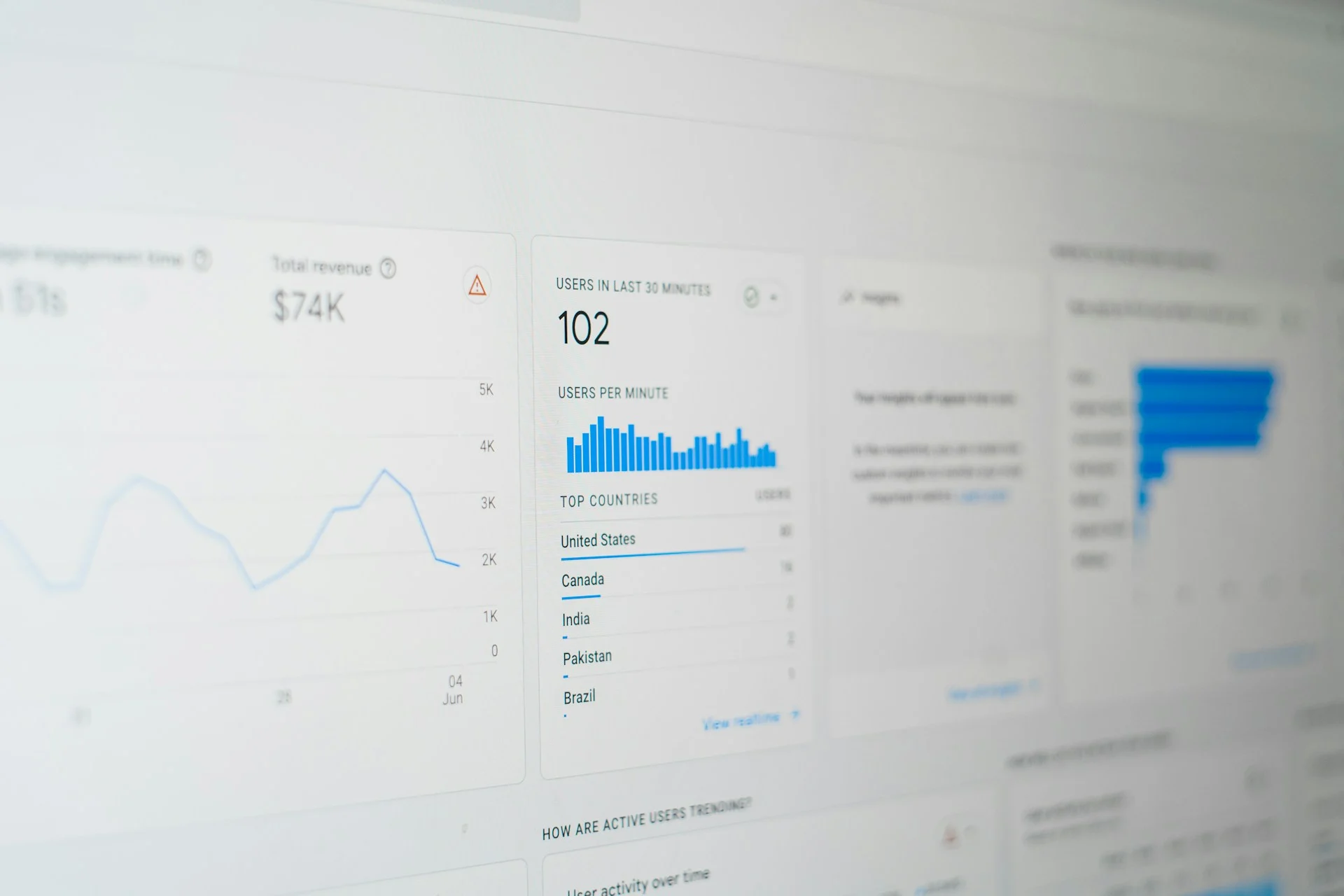
The businesses that use analytics dashboards software to track their digital experience insights are seeing dramatically better results than those who don’t.
Think about it:
If you knew exactly which page elements were causing visitors to leave, wouldn’t you fix them immediately?
That’s the power of digital experience analytics.
The Current State of Conversion Rates
Here’s some eye-opening statistics about conversion rates…
The average conversion rate across all industries is under 2%.
That means for every 100 visitors to your website, fewer than 2 become customers.
But here’s where it gets interesting…
The highest-converting websites achieve conversion rates of 11% or higher. That’s more than 5x better than average!
Different industries see wildly different results:
- Beauty and makeup: 2.3% average conversion rate
- Food and beverage: 5.96% (the highest across all sectors)
- Fashion and apparel: 1.01% to 2.20%
- Luxury goods: Just 0.4%
And here’s something that might shock you…
Mobile conversion rates fell 6.4% in 2023, even though mobile traffic now accounts for almost 70% of all website visits.
This data shows there’s massive room for improvement – but only if you know where to look.
How to Use Analytics to Identify Conversion Blockers
Want to know the secret to finding conversion blockers?
You need to look beyond surface-level metrics like bounce rate and page views.
Digital experience analytics platforms can show you exactly what’s happening on your site. They reveal:
User session recordings – Watch real visitors navigate your site and see where they get stuck
Heatmaps – Visual representations of where users click, scroll, and spend time
Conversion funnel analysis – Step-by-step breakdowns of where visitors drop off
Form analytics – Which fields cause people to abandon forms
The key is understanding that frustration can reduce engagement by 15% and impacts nearly 40% of website visits.
Here’s what you should be looking for:
- Pages with high exit rates
- Forms with low completion rates
- Checkout processes with multiple drop-off points
- Mobile experiences that don’t match desktop performance
Once you identify these blockers, you can prioritize fixing the ones that impact your bottom line the most.
Key Metrics That Drive Real Results
Not all metrics are created equal.
Some vanity metrics might make you feel good, but they won’t move the needle on conversions.
Here are the metrics that actually matter:
Micro-Conversions
These are smaller actions that lead to purchases:
- Email signups
- Product page views
- Cart additions
- Account registrations
Track these because: They help you understand the complete customer journey, not just the final purchase.
Page Load Speed
This one’s critical. Sites that load in 1 second can see 3x higher conversion rates compared to sites that take 5 seconds.
The reality is: Most visitors won’t wait around for slow pages.
User-Generated Content Engagement
Here’s a powerful stat: Users who engage with user-generated content are 102% more likely to convert.
That includes reviews, ratings, and customer photos.
Form Completion Rates
Forms are often the final step before conversion. Email opt-in forms can achieve 15% conversion rates when optimized properly.
But here’s the kicker: Only about one-third of people even start filling out forms, and less than half complete them.
Proven Strategies to Boost Your Conversion Rates
Now for the practical stuff – how to actually improve your conversions using digital experience insights.
Optimize Your Mobile Experience
With mobile accounting for 70% of traffic but having lower conversion rates, this is your biggest opportunity.
Focus on:
- Simplifying checkout processes
- Making buttons easier to tap
- Reducing form fields
- Improving page load speeds
Remember, mobile users spend 64% more time in apps than on mobile websites.
Personalize Call-to-Actions
Generic CTAs are conversion killers.
Personalized CTAs perform 202% better than basic ones.
Try this: Use behavioral data to show different CTAs based on:
- Where visitors came from
- What pages they’ve viewed
- Their previous interactions
Leverage Social Proof
Showing ratings and reviews has increased conversion rates by 38% for home appliances and electronics stores.
Why it works: People trust other customers more than they trust your marketing.
Implement A/B Testing
Don’t guess what works – test it.
The conversion rate optimization market is projected to reach $1.932 billion by 2026, growing at 9.6% annually.
Test these elements:
- Headlines and copy
- Button colors and placement
- Page layouts
- Checkout processes
Use Exit-Intent Technology
Catch visitors before they leave.
Exit-intent popups can recover abandoning visitors by offering:
- Discount codes
- Free shipping
- Newsletter signups
- Content downloads
The key is timing: Show the right offer at the moment someone’s about to leave.
Optimize Your Checkout Process
Cart abandonment rates are over 70% in 2024.
Reduce abandonment by:
- Removing unnecessary form fields
- Allowing guest checkout
- Showing progress indicators
- Displaying security seals
Create Urgency and Scarcity
Limited-time offers and low stock notifications can push hesitant visitors to convert.
But don’t fake it: Use real data about inventory levels and genuine time-sensitive offers.
Driving the Digital Experience Revolution
The businesses winning today aren’t just focusing on getting more traffic.
They’re maximizing the value of every visitor through superior digital experiences.
Here’s the bottom line: You can double or triple your revenue without spending more on advertising – just by converting more of your existing traffic.
Digital experience analytics give you the roadmap to make this happen.
Start by:
- Implementing comprehensive analytics tracking
- Identifying your biggest conversion blockers
- Testing solutions systematically
- Measuring results continuously
The companies that master this approach will dominate their industries.
Don’t wait: Your competitors are already using these insights to steal your potential customers.
The time to act is now.