Starting a small clothing business from home can be an exciting and rewarding way to turn your passion for fashion into a thriving venture.
In this guide, we’ll walk you through eight essential steps—from researching the market and defining your niche to choosing the right products and setting up fulfillment—so you can confidently build a successful clothing business right from your own home.
The Benefits of Starting Your Small Clothing Business
Starting a small clothing business offers many exciting advantages. It gives you creative freedom to design products that truly reflect your style and values, letting you build a unique brand identity.
For example, you might create high-quality custom hoodies that showcase your personal touch and attract loyal customers.
You also enjoy the flexibility to work on your own schedule and from anywhere, which helps balance work and personal life.
Focusing on a niche market is another big benefit. Small businesses can cater to specific customer needs that bigger brands might overlook, such as eco-friendly apparel or customized designs, helping you build a loyal and engaged audience.
Starting small usually means lower upfront costs—especially if you use models like print-on-demand—reducing financial risk.
As a small business owner, you can build direct relationships with customers, gather feedback easily, and provide personalized service, all of which encourage trust and repeat sales.
How to Start a Small Clothing Business from Home With 8 Steps
1. Analyze the Market and Competitors
Competitor analysis means studying who else sells similar clothes, what products they offer, their pricing, marketing strategies, and customer feedback.
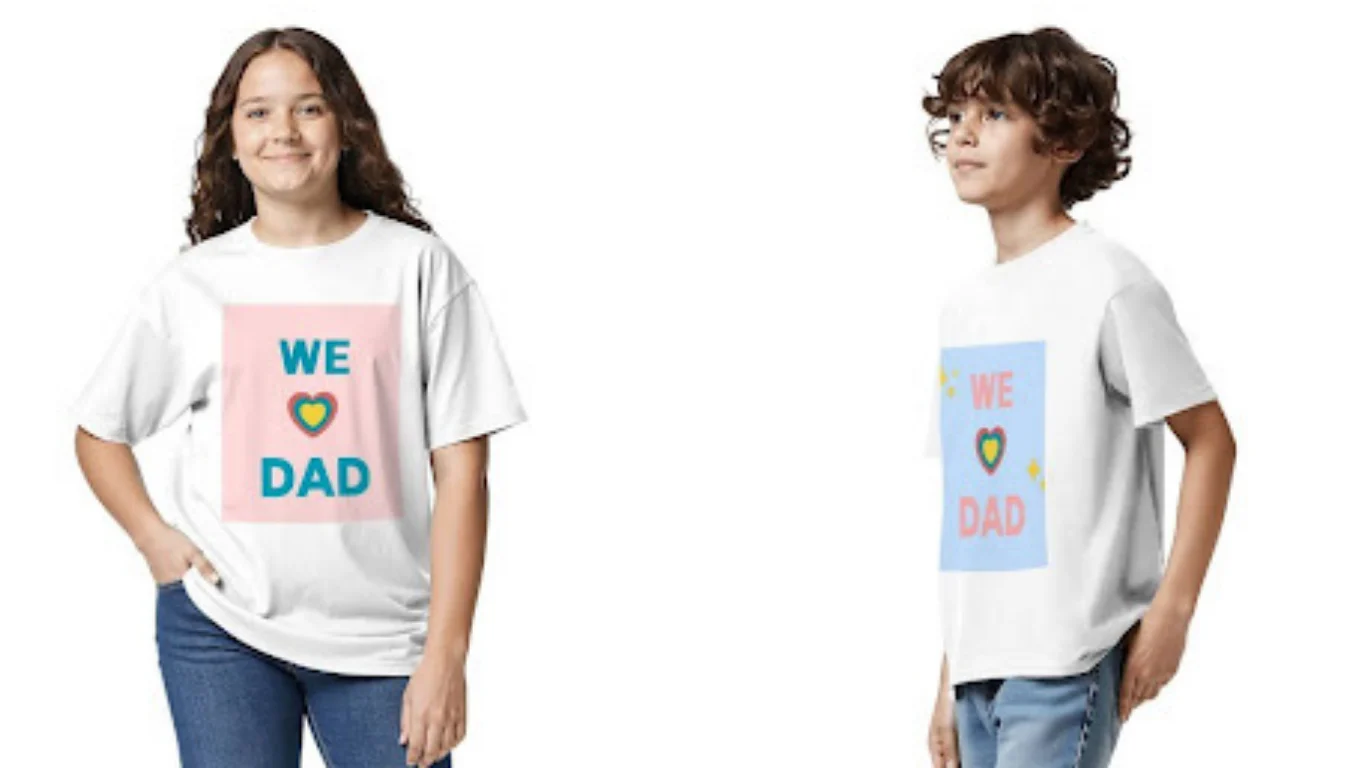
For example, if you want to sell funny dad-joke T-shirts, research how many stores do this, what designs are trending, and which ones get the best reviews.
Why is this important?
Knowing your competitors helps you:
- Identify market gaps (e.g., competitors may not offer eco-friendly options).
- Learn what customers like or dislike.
- Avoid repeating mistakes others made
- Find ways to differentiate your brand and products.
How to do it?
- Use tools like SEMrush or Ahrefs to analyze competitors’ web traffic and keywords.
- Visit competitors’ websites and social media to check product range and customer reviews.
- Track pricing strategies and promotions.
- Join relevant forums or social media groups to hear customers’ honest opinions.
2. Define Your Niche
A niche is a specific segment of the market that you specialize in, addressing particular tastes or values. Narrowing your focus helps build a loyal, engaged customer base.
Examples of niches:
- Eco-friendly clothing made from organic or recycled materials.
- Apparel for local sports teams or communities.
- Customized baby clothes with unique prints or embroidery.
- Retro or meme-inspired fashion targeting niche internet cultures.
Why niche matters?
- Easier to market your brand and products effectively.
- Less competition compared to broad markets.
- Customers are often willing to pay more for products that feel tailored to them.
3. Identify Your Target Customers
Understanding your customers’ demographics and lifestyle helps you create products and marketing messages that truly resonate.
Key questions to ask:
- What age group are they in? Teens, young adults, parents?
- Where do they shop—online, physical stores, or both?
- What are their values? Sustainability, fashion trends, humor?
- What problems or desires do your clothes solve? Comfort, identity, self-expression?
Where to find insights:
- Social media groups and forums.
- Customer surveys or polls.
- Observing engagement on similar brands’ posts.
4. Decide What to Sell and Source Products
Choosing what products to sell is a crucial step in starting a clothing business. Your products should not only align with your brand positioning but also truly meet the needs of your target customers.
For example, if your niche is eco-conscious consumers, selecting clothing made from organic cotton or recycled materials would be an ideal direction.
Key points for product selection:
- Whether the product fits the niche market demand
- Product quality and design appeal
- Feasibility of the supply chain and cost control
Comparison of common sourcing methods:
- Handmade: High quality + high cost
- Wholesale: Fast speed + inventory pressure
- Print-on-Demand (POD): Flexible and low risk + relatively lower profit margin
For beginners, it is recommended to start with the POD model to gradually explore customer preferences and then adjust product strategies based on feedback.
5. Set Up Branding and Business Essentials
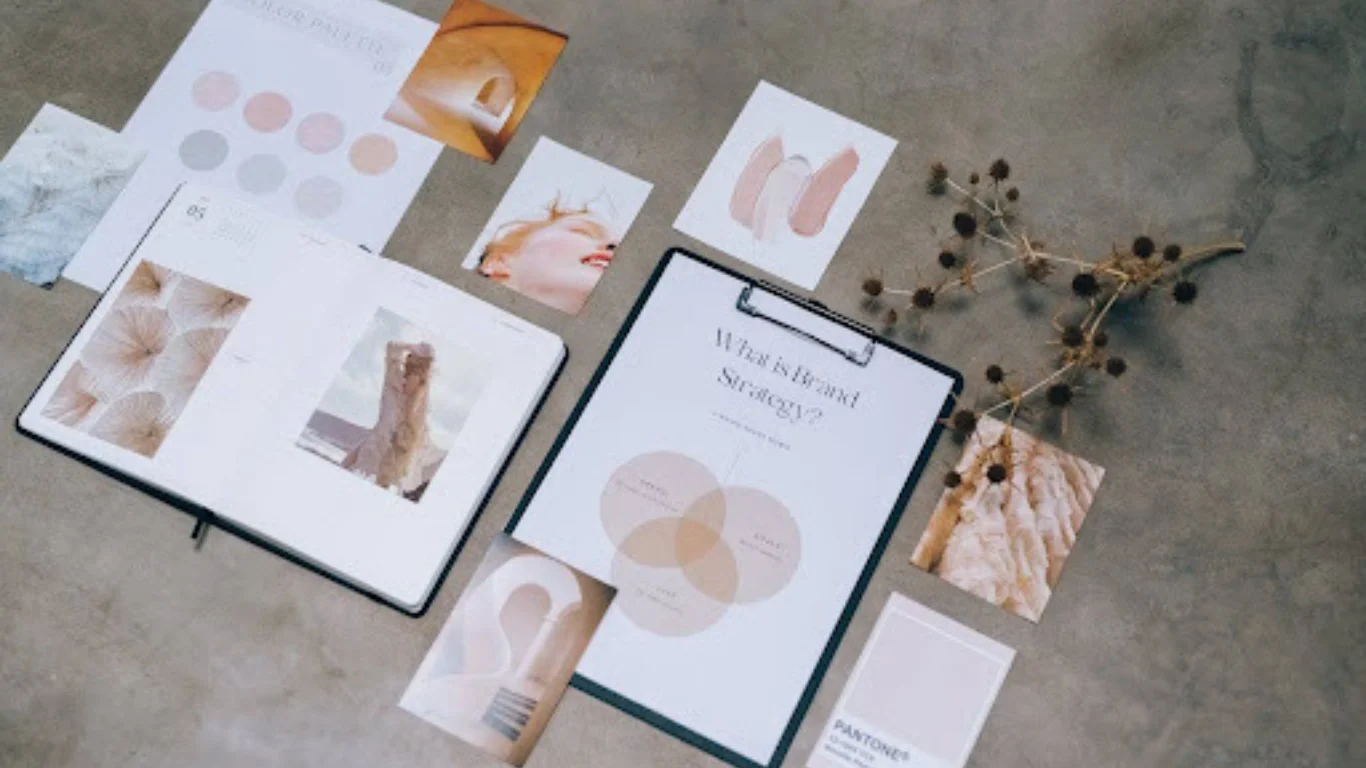
A brand is more than just a name or logo—it communicates your values and attitude to the market. A successful brand can evoke emotional resonance with customers and build long-term loyalty.
When creating your brand, you need to consider core elements such as visual identity, brand story, and mission statement.
Brand building includes:
- Designing a distinctive brand logo and visual style
- Shaping a unique brand story and values
- Developing a business plan with clear target market and budget
- Registering your business and completing legal formalities to ensure compliance
Brand building is a long-term effort that requires consistently conveying a unified brand message through your products and services.
6. Choose Your Sales Channels
When choosing sales channels, you need to make wise decisions based on your target customers’ shopping habits and your budget.
There are various online channels, including your own website, well-known e-commerce platforms, and social media shops. Each channel has its pros and cons and suits different scenarios.
Main channel characteristics:
- Own website: High brand autonomy, but higher costs
- E-commerce platforms: Large traffic but competitive, fees and rules should be considered
- Social media: Active users, good for interaction and promotion, but requires continuous management
A well-planned mix of channels can create a multi-touchpoint sales network, helping increase brand exposure and sales conversion.
7. Plan Your Order Fulfillment and Shipping
At the early stage of a small business, you might choose to handle shipping yourself, packing and sending products personally to ensure every detail is perfect. However, as order volume grows, logistics can become overwhelming and affect efficiency.
For POD businesses, logistics are usually handled by the platform, with orders automatically generated and shipped, greatly simplifying operations.
Considerations when choosing logistics:
- Balancing cost control and efficiency
- Delivery speed and customer expectations
- Designing return and exchange policies
Planning a clear logistics scheme in advance helps avoid operational bottlenecks and improve customer reputation.
8. Launch, Get Feedback, and Adjust
Use multiple channels to promote your brand and actively gather feedback from your target customers. Genuine customer reviews can help you identify product flaws, design issues, or service shortcomings.
Key focus after launch:
- Promote products through social media, advertising, and partnerships
- Actively invite customers to review and share their shopping experience
- Monitor sales data and customer feedback, adjusting marketing strategies and product lines accordingly
Maintaining ongoing interaction with customers allows you to gradually expand your market share and steadily grow your brand.
Conclusion
Starting a small clothing business from home can be both exciting and rewarding. By following the 8 steps, you build a strong foundation for success.
Remember, every business takes time to grow. Stay patient, keep learning, and adjust as you go. With effort and focus, your small clothing business can turn into something great.
Starting small means lower risks and more control. Take the first step today, and watch your ideas come to life.