
Caring for others is more than a job. For many people, it is a steady, human-centered path that fits real life while making a real difference.
Caregiving support work blends purpose with practical benefits. It offers options for different schedules, skill levels, and settings, so people can find a role that matches who they are and what they need.

A Calling To Help Others
Many caregivers start with a simple motivation, and that is to be useful. They enjoy building relationships and easing daily challenges for people needing support. That sense of purpose anchors long days and becomes a strong reason to stay.
Compassion grows with practice. The work builds patience, careful listening, and calm problem-solving under pressure. These traits carry into family life and future roles, helping people stay steady when plans change or emotions run high.
Caregiving shows results. A safe transfer, a healthy meal, or a smooth visit are small wins that add up. Progress deepens trust between the worker and the person receiving care.
Stable Demand And Job Security
People choose caregiving because the work is steady. The U.S. population is aging, chronic conditions are rising, and many want to remain at home. These trends push demand for personal care and home support everywhere.
The Bureau of Labor Statistics projects fast growth for home health and personal care roles, with many openings each year as the field expands. That outlook gives newcomers confidence to train and apply, knowing jobs exist in many communities nationwide.
Job security does not mean every role is identical. Workers can move between agencies, private clients, and shifts. With experience, they qualify for higher responsibility and extra hours.
Flexible Roles Across Settings
Another reason is flexibility. Some people prefer consistent day shifts with one client. Others like rotating assignments, evenings, or weekends that fit school or family needs. Agencies and families often need both patterns, which opens doors for a range of schedules.
The same idea applies to settings. Caregiving support spans homes, senior apartments, and community programs. It is common to start with companionship and daily living tasks, then add skills in mobility support or basic health tasks as training grows.
Curious people often ask how to chart their first steps. That is where learning the basics of how to become a caregiver helps, because it breaks a big decision into simple actions like training, background checks, and practice hours. With those pieces in place, beginners can pick roles that match their comfort level and build from there.
A Pathway For Family Caregivers To Earn
Many people already help a parent, partner, or friend. Formal caregiving can turn unpaid effort into income while keeping care close to home. For families juggling jobs and appointments, paid hours turn chaos into a plan.
Some states let a family member or friend get hired and paid for support tasks. USA.gov says programs vary by state, but the core idea is simple: the person receiving care helps choose their helper and hours.
This path lowers stress for the recipient, too. Trust is there for dressing, bathing, and meals. With pay and training, care becomes consistent, and the caregiver builds experience for future roles.
Meaningful Skill Growth And Career Ladders
Caregiving teaches practical skills that stack. New workers learn safe transfers, infection basics, and client communication. With repetition and coaching, those tasks become second nature.
From there, people can level up. They might add medication reminders, dementia strategies, or end-of-life comfort skills. Some pursue credentials that qualify them for roles with higher pay and more responsibility in clinics or long-term care.
Soft skills grow, too. Time management, note keeping, and clear handoffs with nurses or family members are part of daily work. These skills make resumes stronger for future healthcare roles or any job that values reliability and teamwork.
Practical Economics And Community Need
Caregiving meets a financial reality for families. Professional care is costly, so many households mix paid hours with their support to stretch budgets. The Washington Post’s Ripple project reported high private-care rates and out-of-pocket costs.
With budgets tight, communities rely on agency staff, aides, and relatives to share the load. Caregiving support workers fill gaps that keep people fed and connected with care. This helps families remain employed, reducing hospital visits.
For workers, that need creates steady shifts. When someone shows up on time and treats people with respect, word travels. Reliability builds trust, brings referrals, and opens new shifts, turning consistent service into a stable path.
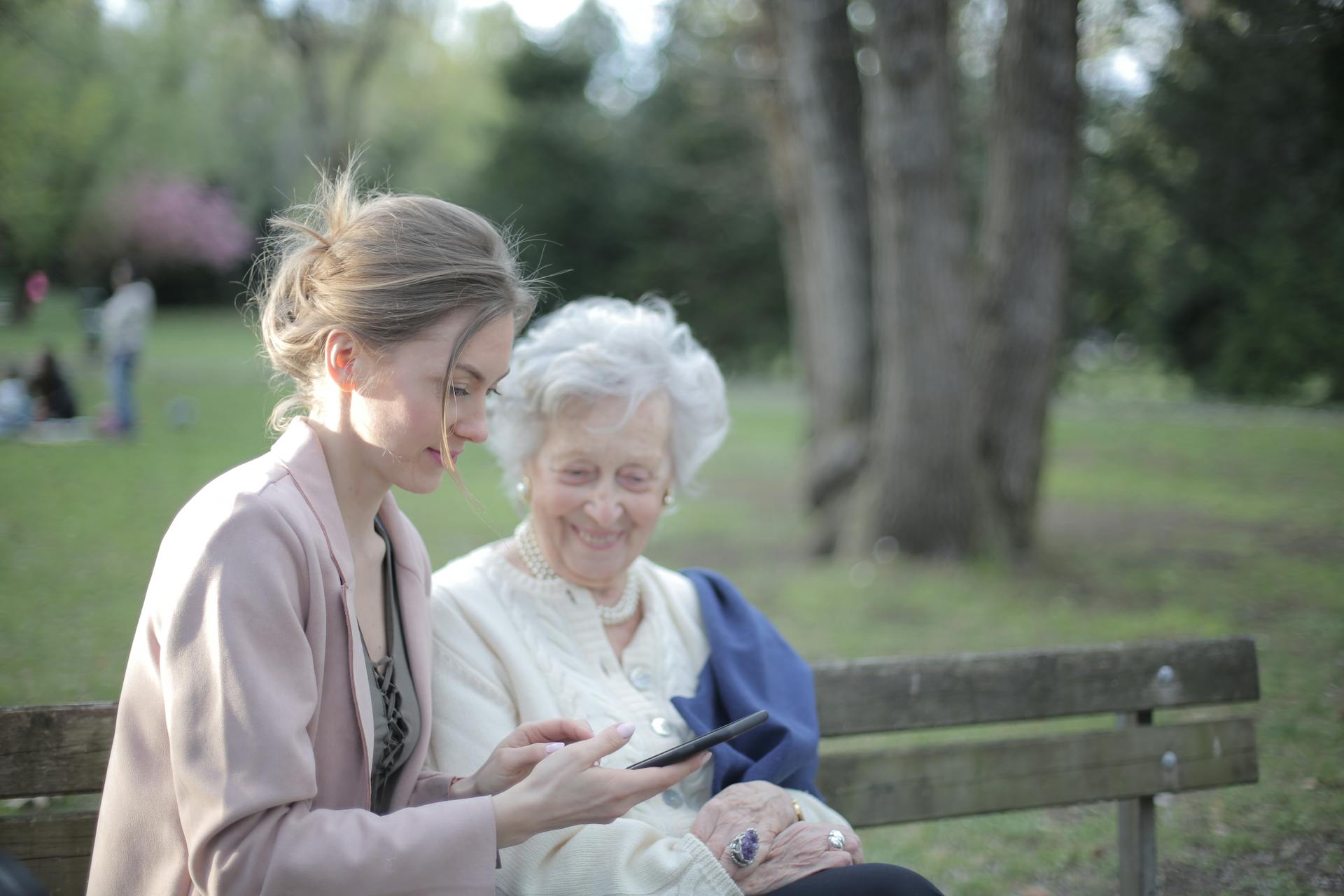
Caregiving support work offers purpose, options, and room to grow. It lets people support their households while strengthening their neighborhoods.
For anyone considering the field, the path is practical and personal. Start small, learn steadily, and build the skills that make daily life safer and more dignified for someone who needs a hand.

A dad of 3 kids and a keen writer covering a range of topics such as Internet marketing, SEO and more! When not writing, he’s found behind a drum kit.