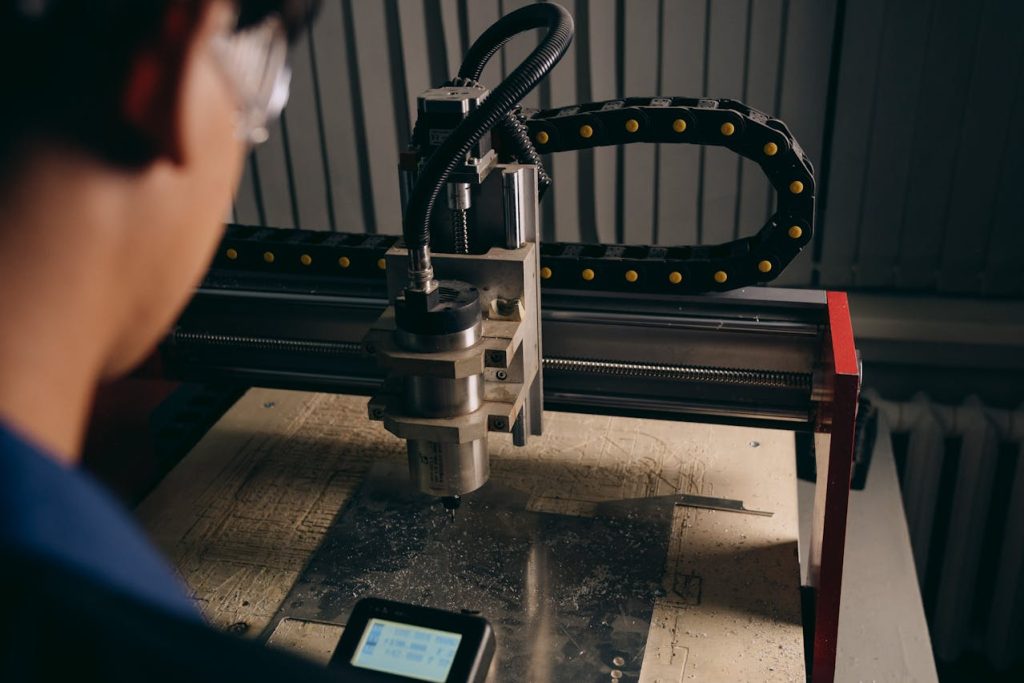
Precision is the foundation of CNC machining. Whether you’re producing aerospace parts or small custom prototypes, even a fraction of a millimeter off can mean wasted time, scrapped materials, and added costs. While advanced machines and cutting-edge technology play a role, often the biggest improvements come from simple adjustments and the right tooling.
From sourcing reliable machinist tools for sale to setting proper feeds and speeds, small refinements in your approach can lead to significant gains in accuracy. Here are five straightforward fixes that will help you take your machining precision to the next level.
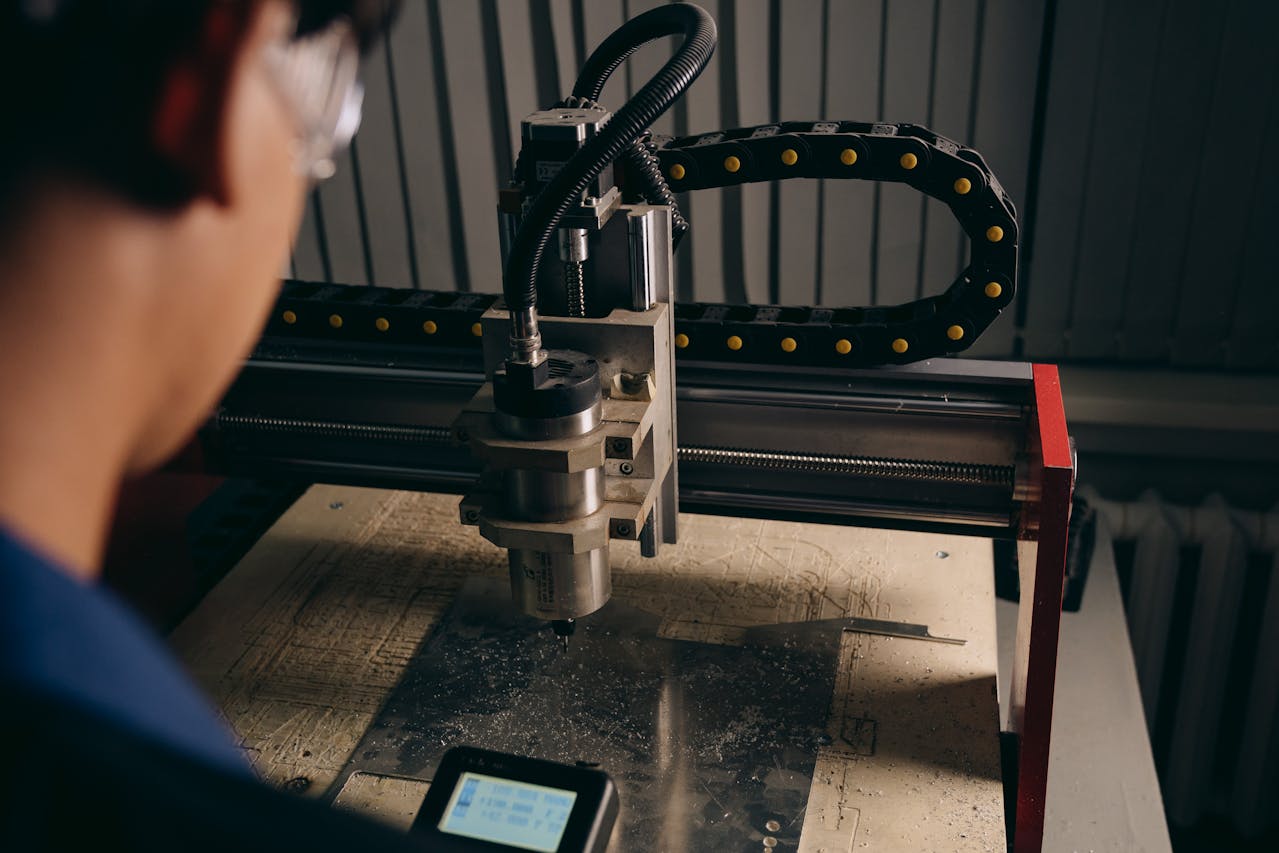
Match the Tool to the Material
- Use the Right End Mill for the Job
Not all materials cut the same way, and not all tools are built for every material. An cnc end mill designed for aluminum, with polished flutes and a high helix angle, won’t perform as well on hardened steel. Likewise, tools built for steel may clog or chip when used on softer metals. Matching tool geometry to the material ensures clean cuts, longer tool life, and more accurate parts. - Consider Tool Coatings
Coatings like TiN (Titanium Nitride) or AlTiN (Aluminum Titanium Nitride) help reduce heat and friction, extending tool life and improving performance on tougher materials. While uncoated tools may be fine for plastics or soft metals, coated cutters are a must for harder alloys. - Select the Right Tool Diameter and Flute Count
Tool size and flute configuration impact performance. Larger diameters provide rigidity and remove material faster, while smaller diameters are better for precision features. Two-flute cutters evacuate chips quickly in aluminum, while four- or five-flute tools work better for harder metals. Choosing the right configuration reduces deflection and keeps tolerances tight. - Keep Tool Length in Check
Excessive stick-out increases the risk of vibration and deflection. Using the shortest tool possible for the job improves rigidity and accuracy. This simple fix can dramatically improve finishes and reduce tool breakage.
Control Your Speeds and Feeds
- Follow Manufacturer Recommendations
Every tool has an ideal cutting speed (measured in surface feet per minute) and feed rate. Running a cutter too fast overheats the tool, while running too slow causes rubbing instead of cutting. Sticking to the manufacturer’s recommendations ensures optimal tool performance and accuracy. - Adjust for Material Properties
Different materials require different cutting parameters. Softer metals like aluminum allow higher speeds and feeds, while hardened steels demand slower, more controlled cuts. Adjusting your settings based on material properties avoids chatter and keeps cuts precise. - Use Test Cuts for Validation
Before running a full job, perform a test cut to verify your parameters. This helps fine-tune feeds and speeds for the specific material and setup, preventing errors before they happen. - Minimize Runout with Quality Holders
Even with correct parameters, poor tool holding can undermine precision. Investing in cnc collets or other high-quality holders reduces runout and ensures consistent tool engagement with the material. The result is smoother finishes and tighter tolerances. - Monitor Tool Wear
Dull or damaged tools cut inconsistently and introduce inaccuracies. Regular inspection and replacement keep your machining reliable. Implementing a tool life tracking system can help avoid unexpected failures mid-cycle. - Don’t Overlook Coolant
Proper coolant use reduces heat and helps flush chips away from the cutting area. This prevents recutting chips, which can damage finishes and reduce accuracy. Coolant also extends tool life, further contributing to precision.
Final Thoughts
Improving machining precision doesn’t always require expensive upgrades or major overhauls. Simple adjustments — like choosing the right end mill for the material, controlling tool stick-out, fine-tuning feeds and speeds, and using quality holders — can dramatically improve results.
By focusing on the basics, from proper tool selection to secure collets and consistent maintenance, you’ll see immediate improvements in accuracy, surface finishes, and tool longevity. Precision machining is about consistency, and these fixes help ensure every part comes off the machine exactly as intended.

Founder Dinis Guarda
IntelligentHQ Your New Business Network.
IntelligentHQ is a Business network and an expert source for finance, capital markets and intelligence for thousands of global business professionals, startups, and companies.
We exist at the point of intersection between technology, social media, finance and innovation.
IntelligentHQ leverages innovation and scale of social digital technology, analytics, news, and distribution to create an unparalleled, full digital medium and social business networks spectrum.
IntelligentHQ is working hard, to become a trusted, and indispensable source of business news and analytics, within financial services and its associated supply chains and ecosystems