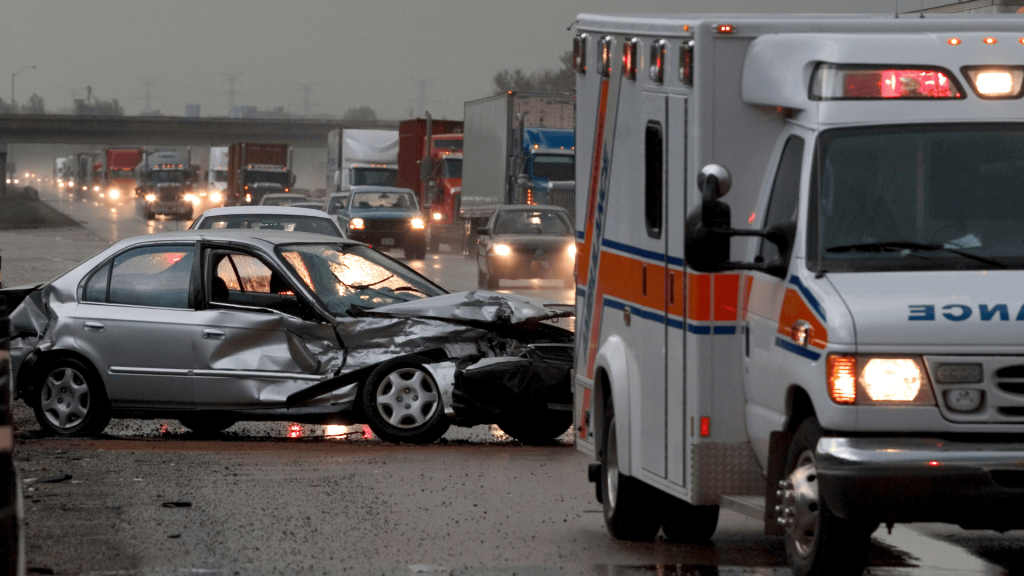
An emergency can be an overwhelming experience for any number of reasons. No matter what the emergency is — a car accident, urgent medical procedure or damage to your home that insurance doesn’t fully cover — the emotional, physical and even financial damage can take a toll.
While you can’t always prepare for what’s to come, you can take steps to ensure you have some money set aside in case of an emergency. If you’re in the middle of an urgent situation that is too difficult to manage on your own, an emergency loan could provide you with funds quickly and at a fixed rate. Of course, there are some additional costs that come with a loan, such as interest and fees, and you need to be prepared to pay it back according to the loan terms.
With some advance planning, however, you might be able to prepare for life’s emergencies without going into debt. Consider some of the following steps to help cover the cost yourself.

Set a savings goal
Think about how much you want to save. What would give you peace of mind? Most experts recommend saving three to six months of essential expenses for an emergency, though every little bit helps.
One way to calculate what you should be saving is to add up all your must-have monthly expenses, such as utilities, rent or mortgage payments, car payments and groceries. Take the total, add a little extra on top just in case and multiply it by the number of months you want to cover.
You can always break your larger savings goal into bite-sized pieces if that feels more achievable. For example, set a savings goal per month or week. You could always make it into a game — challenge yourself to save more money every day for a week and see where you end up.
Remember to review your emergency savings periodically and consider whether you need to change your goal.
Cut down on spending
Cut back on spending wherever you can to reach your savings target. If you dine out a lot, order takeout for dinner or buy your coffee on the way to the office every morning, experiment with cutting down on these nice-to-have expenses to increase your savings. For example, buying a $5 coffee five days per week for one year will put you back $1,300. Think about how that amount could help you in an emergency.
Additionally, see if you can pinpoint ways to save more money on everyday items. For example:
- Buy food you use all the time in bulk where possible.
- Keep an eye out for sales on household products, such as paper towels, toilet paper and cleaning supplies.
- Cut down on driving and try carpooling or using public transportation to save on gas.
- Unsubscribe from any monthly subscriptions you don’t use, such as a gym membership, cable or streaming service.
Boost your savings
There are a few ways you can protect and increase your savings to make sure you stay on track. First, consider opening a separate emergency account so you’re not tempted to dip into it for other things.
Next, choose the right type of account. A high-yield savings account can help you earn more interest on your money than a traditional savings account. A money market account may give you similar returns. While a Certificate of Deposit typically offers a generous interest rate, it’s not always the wisest choice for an emergency fund because you can’t withdraw the money before its maturity date without paying a penalty.
Finally, automate your savings through your bank so that a certain amount of money is routed to your emergency account once a month or every time you get a paycheck. That way, you’ll never forget to put money aside.
Find new ways to earn money
If you’re still falling short of your goal, you might think about other sources of income. Here are a few ideas:
- Take on additional part-time or contract work to pad your savings. Even working from the comfort of your couch for a few hours each week could help.
- Sell unused or lightly used clothing, books, furniture and other items around your home.
- If you feel comfortable, rent out a spare room in your home or your parking space.
These are just a few ways to make some extra cash. Figure out what you enjoy doing or could commit to in order to meet your savings goal.
Save now to put your mind at ease later
Saving money for an emergency takes dedication, planning and consistency. However, if an emergency strikes, you’ll hopefully be in a better position to manage the situation and care for yourself while you recover — without taking too much of a financial hit.
Notice: Information provided in this article is for information purposes only and does not necessarily reflect the views of intelligenthq.com or its employees. Please be sure to consult your financial advisor about your financial circumstances and options. This site may receive compensation from advertisers for links to third-party websites.

Founder Dinis Guarda
IntelligentHQ Your New Business Network.
IntelligentHQ is a Business network and an expert source for finance, capital markets and intelligence for thousands of global business professionals, startups, and companies.
We exist at the point of intersection between technology, social media, finance and innovation.
IntelligentHQ leverages innovation and scale of social digital technology, analytics, news, and distribution to create an unparalleled, full digital medium and social business networks spectrum.
IntelligentHQ is working hard, to become a trusted, and indispensable source of business news and analytics, within financial services and its associated supply chains and ecosystems