
By 2035, your coworker, caregiver, or even best friend could be a humanoid robot. With 13 million poised to enter our lives and 1 billion by 2050, this isn’t sci-fi anymore. Will they solve labour shortages or steal jobs? Revolutionise healthcare or deepen isolation? The robot revolution is coming faster than you think. Here’s what you need to know to survive and thrive in the age of humanoids.
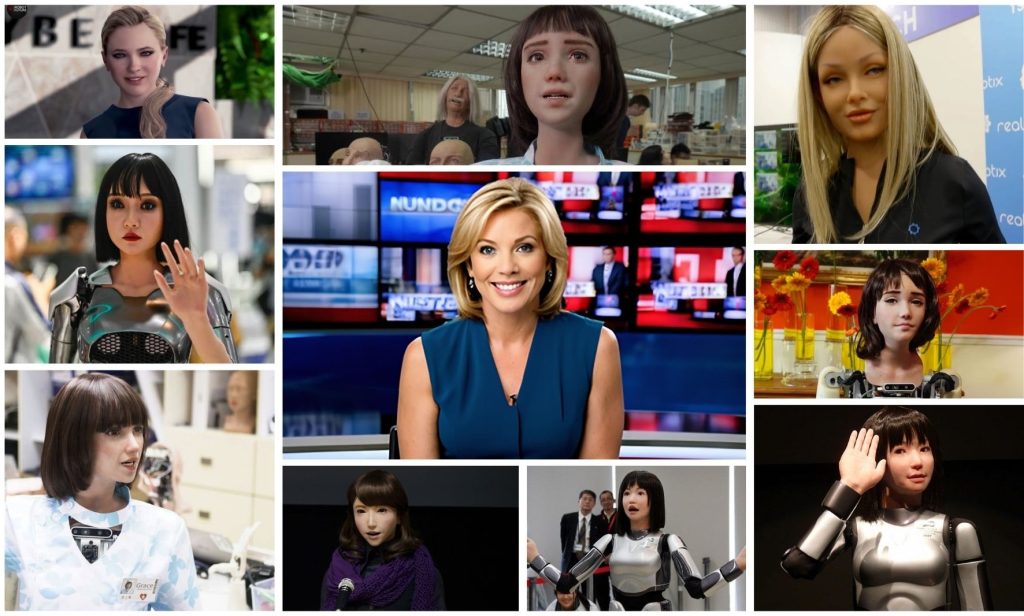
The idea of humanoid robots walking among us has long been a staple of science fiction. But what if this is no longer just a fantasy?
According to a recent report by Morgan Stanley, the rise of humanoid robots could become a reality sooner than expected. By 2035, an estimated 13 million humanoid robots could be integrated into our daily lives.
They might be working alongside us, caring for us, providing companionship, and even protecting us. By 2050, the number could rise to a staggering one billion.
This bold prediction raises several important questions:
- Will society be ready for such a massive transformation?
- How will these robots fit into our lives, and what kind of opportunities and challenges will they bring?
- Should we be concerned about the ethical implications of introducing intelligent machines into our world?
Let’s dive into the world of humanoid robots, exploring what they could mean for our future and what steps we need to take to prepare for this new era.
The Rise of Humanoid Robots
By 2035, the price of owning a humanoid robot could be as affordable as owning a car, with annual costs around $10,000. For many businesses, this could mark a turning point. The price point will make humanoid robots commercially viable, and as a result, demand is expected to skyrocket.
Analysts predict that the number of humanoid robots could reach a billion by 2050, with significant uptake in sectors ranging from healthcare to retail and hospitality.
We’re not talking about robots that exist only in the realm of fiction. These robots are already being tested and deployed in various industries. Take Digit, a humanoid robot created by Agility Robotics, for example.
Digit is already helping on factory floors in the U.S., where it lifts and stacks objects, performing tasks that were once solely in the domain of human workers.
BMW is also ahead of the game. The automaker has run pilot projects at its Spartanburg plant in South Carolina, where a humanoid robot called Figure 02 has been deployed. This robot can open doors, climb stairs, and use tools just like humans.
Even Foxconn, a Taiwanese multinational, is planning to deploy humanoid robots in their Houston factory to assist in building Nvidia servers.
These are just a few examples of how humanoid robots are already being put to work. From factory floors to healthcare facilities, the potential applications are limitless.

The Technological Advancements Behind Humanoid Robots
So, what’s enabling the rise of humanoid robots?
AI is at the heart of this revolution, with remarkable strides being made in areas like image recognition, natural language processing, and fine motor control. With these advancements, robots are not only able to see and understand the world around them but can also interact with humans in more meaningful ways.
These robots have an array of sensors and cameras that allow them to adjust their movements and actions according to the environment they are in, much like humans do.
They can perform simple tasks, such as moving objects, but they’re also becoming adept at more complex interactions, such as understanding speech and recognising emotions.
As sophisticated as today’s humanoid robots are, they’re still not at the level of general AI, machines that can perform any task that a human can. However, these robots are excellent at performing specific tasks.
Much like ChatGPT or robot taxis, humanoid robots will initially be designed for particular roles, whether in factories, hospitals, or homes.
What Will the World Look Like with 13 Million Humanoid Robots?
With an estimated 13 million humanoid robots in the workforce by 2035, they are bound to transform many industries. The potential applications are vast:
- Factories: Robots could take over many of the repetitive and physically demanding jobs in manufacturing. For example, humanoid robots could work alongside humans in assembly lines, handling tasks that are too dangerous or strenuous for people.
- Healthcare: Robots could assist with caregiving tasks, such as helping the elderly with daily activities or providing companionship to those who are isolated. They could also work in hospitals, assisting with patient care and even performing minor surgeries.
- Retail and Hospitality: Imagine a robot greeting you at the front desk of a hotel or assisting customers in a retail store. These robots could improve customer service and efficiency, allowing human workers to focus on more complex tasks.
- Education: Robots could play a role in education, assisting teachers in classrooms and providing personalised tutoring for students who need extra help.
As robots become more integrated into industries and everyday life, their presence will likely be felt everywhere. The cost of a humanoid robot could be within reach for more businesses and households, meaning that by 2050, one in ten U.S. households could own one. If you live in a high-income household, you might even have one in your home, helping with household chores, looking after children, and even keeping the house secure.
The Challenges and Ethical Considerations of Humanoid Robots
While the rise of humanoid robots brings many exciting possibilities, it also raises several critical questions. Here are some of the challenges and ethical dilemmas that society must address:
1. Impact on Employment
One of the most pressing concerns about humanoid robots is their potential impact on jobs. If robots can perform many of the tasks that humans currently do, what will happen to the human workforce? Will robots lead to massive unemployment, or will they free up humans to focus on more creative and strategic roles?
There are arguments on both sides. On the one hand, robots could help businesses become more efficient, improving productivity and enabling workers to focus on higher-level tasks. On the other hand, widespread automation could lead to significant job displacement, particularly for workers in low-wage, manual jobs.
2. Psychological and Social Effects
The rise of robots could also have a significant psychological impact on people. “Robophobia,” or the fear of robots, is a phenomenon that some experts predict could become widespread. Research has suggested that up to 20 percent of people may suffer from this fear, and the introduction of humanoid robots could exacerbate these anxieties.
Additionally, robots could change the way humans interact with each other. If robots begin to take on roles like caregiving or companionship, will we lose the need for human interaction? How will this affect mental health and social dynamics?
3. Ethics of Robot Rights
As robots become more advanced, society will have to grapple with questions about their rights. Should robots be treated as tools or as entities with rights of their own? For example, if robots are capable of learning, feeling, or developing emotions, should they be entitled to protections under the law?
There are also questions about the use of robots in military or policing roles. Can robots be ethically used to carry out law enforcement duties, or should humans always remain in control of such decisions?
A Glimpse into 2050: One Billion Humanoid Robots
By 2050, we could be living in a world with one billion humanoid robots. This would mean that, for every eight humans on the planet, there would be one robot. In highly developed regions like the U.S., robots could become an integral part of daily life, with estimates suggesting that 10% of U.S. households could have one by 2050.
Meanwhile, emerging markets in Asia might see rapid adoption of humanoid robots as costs decrease and the technology becomes more accessible.
With this increase in the number of robots, society will face even more profound challenges. What does it mean for humans to live alongside machines that can think and act like us? What role will robots play in our homes, workplaces, and communities? And, importantly, how do we ensure that they are integrated in a way that benefits society as a whole, rather than exacerbating inequality or social divides?
Preparing for a Robotic Future
As we approach the age of humanoid robots, there are several steps that society must take to ensure a smooth transition. First and foremost, we need to invest in education and training programs to help workers adapt to the new reality.
Reskilling programs will be essential to ensure that people can move from roles that are being automated by robots into more complex and creative jobs that require human skills.
Governments will also need to develop frameworks for regulating robots, ensuring they are used responsibly and ethically. The laws surrounding robots, including their rights, their role in society, and their potential risks, will need to be defined.
Additionally, we must work to alleviate the psychological effects of robots’ presence in society. Public education campaigns can help dispel myths and ease the fears surrounding humanoid robots, helping people to see them as helpful tools rather than threats.
Final thoughts
The world of humanoid robots is closer than we think. By 2035, 13 million robots could be walking among us, performing tasks, providing care, and even serving as companions. While the technological, ethical, and psychological challenges may seem daunting, the potential benefits of humanoid robots are undeniable.
As we move towards this robotic future, it’s crucial that we approach these developments thoughtfully, ensuring that they enhance human life rather than replace it. With the right policies, regulations, and education, the rise of humanoid robots could mark the beginning of a new era of productivity, creativity, and collaboration.
So, are we ready for the future where robots walk alongside us? The answer, as always, lies in how we adapt and prepare for the changes ahead. The future is coming, and it’s time to embrace it.

Himani Verma is a seasoned content writer and SEO expert, with experience in digital media. She has held various senior writing positions at enterprises like CloudTDMS (Synthetic Data Factory), Barrownz Group, and ATZA. Himani has also been Editorial Writer at Hindustan Time, a leading Indian English language news platform. She excels in content creation, proofreading, and editing, ensuring that every piece is polished and impactful. Her expertise in crafting SEO-friendly content for multiple verticals of businesses, including technology, healthcare, finance, sports, innovation, and more.










