Stop renting the car and start building wealth. Leasing offers short-term perks but long-term pain with endless payments and restrictive terms. Here are the 10 hidden costs of leasing and why buying a car is the ultimate power play for your financial freedom and peace of mind.
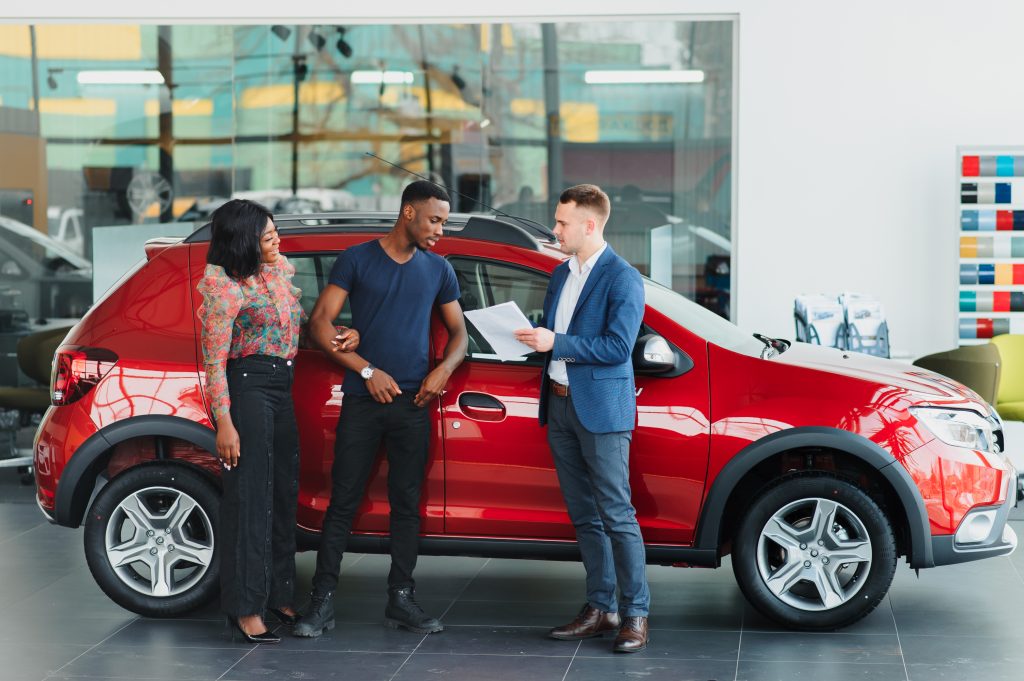
Leasing a car can seem like an appealing option at first glance, lower monthly payments, the opportunity to drive a brand-new vehicle every few years, and no hassle of worrying about depreciation. For many drivers, it feels like the best of both worlds: get a shiny new car without the commitment of long-term ownership.
But, before you sign that lease agreement and drive off into the sunset, it’s important to understand that there are several hidden costs and drawbacks to leasing a car that might not be as glamorous as they initially appear.
10 hidden costs and drawbacks
1. You don’t build equity
One of the most significant drawbacks of leasing is that, unlike buying a car, your monthly payments don’t contribute to ownership. When you lease, you’re essentially renting the vehicle for a set period (typically 24 to 36 months). But here’s the kicker: at the end of the lease, you own nothing. You hand the car back, and that’s it.
On the other hand, when you buy a car, each monthly payment helps you build equity in the vehicle. After you’ve finished paying off the car, it’s yours to keep, sell, or trade-in. If you’re someone who likes the idea of owning something after making payments, leasing may feel like a waste of money in comparison to buying.
2. Mileage limits and excess fees
Leasing contracts often come with mileage limits, usually ranging from 10,000 to 15,000 miles per year. For those of us with long commutes or a love for road trips, these limits can feel restricting.
If you exceed the mileage allowance, be prepared to pay hefty penalties. These excess mileage fees can range from 15 to 30 cents per mile, which adds up quickly. Let’s say you go over by just 1,000 miles, depending on your lease, that could mean an extra $300 to $600 at the end of the term. For drivers who frequently drive long distances, leasing might end up being far more expensive than initially anticipated.
When you buy a car, you don’t have to worry about mileage restrictions, drive as much as you want without incurring extra fees.
3. No customisation allowed
Do you like to put your personal touch on your car? Whether it’s custom wheels, a new sound system, or an upgrade to the interior, when you buy a car, you can customise it however you see fit.
Leasing, however, has restrictions on modifications. Most leasing companies will either prohibit you from making modifications or only allow changes that can be reversed before you return the car. So, if you want to add a custom exhaust or paint the car a different colour, leasing isn’t the way to go.
Ownership means freedom, you can make all the changes you want without worrying about returning the car in its original condition.
4. Wear-and-tear fees
Leased cars need to be kept in near-new condition. At the end of the lease, the leasing company will inspect the vehicle and determine whether it has been properly maintained. However, what is considered “normal wear and tear” can vary greatly depending on the leasing company. What one company considers acceptable might be deemed excessive by another.
If your car has visible scratches, dents, or worn-out tyres, you could be faced with additional fees. These charges can be frustrating, especially if you feel like the wear and tear is minimal or unavoidable. With ownership, you’re in control of how much you spend on maintenance, and you don’t have to worry about handing the car back in perfect condition.
5. High insurance premiums
Leased cars generally require higher levels of insurance coverage, often including comprehensive and collision insurance with lower deductibles. The reasoning behind this is that the leasing company wants to protect their investment in the vehicle, so they require you to have a higher level of coverage to cover the car’s value.
This can make leasing more expensive than buying, especially for drivers who prefer a higher deductible and lower insurance premiums. While you would still need insurance when you own a car, you can usually opt for a less expensive policy once the car is paid off, as the insurance requirements are generally more flexible.
6. Early termination fees
Life can be unpredictable. Maybe your circumstances change, or you simply get tired of your leased car. Unfortunately, ending a lease early often comes with severe penalties. Whether you need to terminate the lease due to a change in jobs, location, or family needs, the costs of early termination can be substantial.
These penalties can include paying the remainder of the lease or a hefty early termination fee. In some cases, it may even be cheaper to simply finish out the lease term and start a new one than to break it early. This lack of flexibility can be frustrating, especially when compared to owning a car, where you can sell or trade it in whenever you like.
7. No opportunity for resale value
When you lease a car, there’s no opportunity for you to recoup any of the costs through resale. If you’ve bought a car, however, you can sell it or trade it in at any time to offset the cost of your next car purchase.
With leasing, at the end of the lease, you simply return the car, and that’s it. You don’t get any financial return on your investment, even though you’ve made monthly payments for several years. The opportunity to benefit from the resale value is one of the main advantages of owning a car, making it a more financially viable option for many drivers in the long term.
8. Depreciation still affects you
Leasing contracts are based on the car’s depreciation, the difference between its original value and what it’s worth at the end of the lease term. While depreciation doesn’t directly affect you when you lease (since you’re only paying for the depreciation), it still has an impact.
The value of the car decreases, and the leasing company will factor this into the monthly payment. So, if you’re leasing a car that depreciates quickly, you could be paying a lot more for it than it’s worth. When you own a car, you still deal with depreciation, but once the car is paid off, you’re free from making payments and can continue driving it for years.
9. Limited flexibility in the long-term
Leasing offers little flexibility once the lease term ends. At the end of the lease, you typically have the option to buy the car, but the buyout price is often inflated and may be higher than the car’s actual market value. Alternatively, you can return the car and start a new lease, but you’ll be caught in an endless cycle of payments.
Buying a car offers much more flexibility. Once the loan is paid off, you own the car outright, and you have the option to keep it for as long as you want. You’re free to trade it in or sell it at any time, giving you far more control over your vehicle’s future.
10. Higher long-term costs
While leasing can be cheaper on a month-to-month basis, the overall cost over time can add up. If you continue leasing car after car, you could end up paying far more than if you bought a car outright and kept it for several years. In fact, over the long term, leasing can actually be more expensive than purchasing a car because you’re constantly making payments without ever owning the vehicle.
Final thoughts
Leasing a car may seem like an attractive option due to the lower monthly payments and the opportunity to drive a new car every few years. However, as we’ve highlighted, the hidden costs and drawbacks of leasing, such as mileage restrictions, wear-and-tear fees, and the lack of ownership, make it a less favourable option for many drivers.
Buying a car, while more expensive upfront, offers long-term benefits such as equity, flexibility, and control over your vehicle. If you’re someone who values ownership and the ability to customise or sell your car when you choose, buying is likely the better option.
Before you make your decision, carefully consider these hidden costs of leasing and weigh them against the benefits of buying.

Himani Verma is a seasoned content writer and SEO expert, with experience in digital media. She has held various senior writing positions at enterprises like CloudTDMS (Synthetic Data Factory), Barrownz Group, and ATZA. Himani has also been Editorial Writer at Hindustan Time, a leading Indian English language news platform. She excels in content creation, proofreading, and editing, ensuring that every piece is polished and impactful. Her expertise in crafting SEO-friendly content for multiple verticals of businesses, including technology, healthcare, finance, sports, innovation, and more.