In today’s world, technology is everywhere, and schools are no exception. Using technology in the classroom isn’t just about having cool gadgets; it’s about making learning better for students and getting them ready for what comes next. This article looks at the 10 importance of technology in education and how it helps students learn, connect, and grow.
Key Takeaways
- Technology makes lessons more interesting and helps students pay attention.
- Digital tools allow students to work together on projects and learn from each other.
- Using computers and software helps students get comfortable with the digital tools they’ll need for jobs.
- Teachers can use technology to help students who learn in different ways.
- Technology opens up new ways for students to be creative and come up with new ideas.
1. Enhances Student Engagement
When technology enters the classroom, it often sparks a new level of interest for students. Think about it: instead of just reading about a historical event, students can watch a documentary, explore a virtual museum, or even participate in a simulated historical debate. This kind of interactive learning grabs attention in a way that traditional methods sometimes can’t.
Technology makes learning more dynamic and relevant to students’ lives. It provides immediate access to a vast ocean of information, far beyond what any textbook can hold. Students can use digital libraries, online databases, and educational platforms to research topics, complete assignments, and explore subjects at their own pace. This accessibility means learning isn’t confined to the classroom walls or specific hours; it’s available whenever and wherever students need it.
Here are a few ways technology boosts engagement:
- Interactive Content: Games, simulations, and multimedia presentations make complex topics easier to grasp and more enjoyable.
- Personalized Learning Paths: Technology can adapt to individual student needs, offering extra support or more challenging material as required.
- Real-World Connections: Students can connect with experts, collaborate with peers globally, and see how classroom concepts apply to current events and future careers.
When students feel more involved and see the practical value of what they’re learning, their motivation naturally increases. They become more active participants in their education, rather than passive recipients of information. This shift is incredibly important for developing a lifelong love of learning.
Integrating technology thoughtfully can transform passive learners into active explorers. It’s about creating experiences that capture curiosity and encourage deeper interaction with the subject matter, making education a more compelling journey for everyone involved.
2. Promotes Collaboration
Technology really shines when it comes to getting students to work together. Think about it: most jobs today require people to team up, often with folks who aren’t even in the same room. Digital tools can mimic this real-world scenario right in the classroom.
When students use shared documents, online forums, or collaborative project platforms, they learn how to communicate effectively, share ideas, and build on each other’s contributions. It’s not just about getting a project done; it’s about learning the give-and-take of teamwork. This kind of interaction can lead to a richer learning experience, where different perspectives are shared and discussed, helping everyone understand the topic more deeply. It’s a great way to prepare them for future careers where teamwork is a given.
Here are a few ways technology helps collaboration:
- Shared Digital Workspaces: Tools like Google Docs or Microsoft 365 allow multiple students to work on the same document simultaneously, seeing each other’s edits in real-time.
- Online Discussion Forums: Platforms for class discussions let students share thoughts, ask questions, and respond to peers outside of scheduled class time, fostering ongoing dialogue.
- Group Project Management Tools: Software designed for project management can help teams assign tasks, track progress, and communicate updates, mirroring professional project workflows.
Working together digitally teaches students valuable lessons in communication, compromise, and shared responsibility. It moves learning beyond individual effort to a collective pursuit of knowledge.
This collaborative environment can also extend beyond the classroom walls. Students might connect with peers from other schools, or even in different cities, to work on joint projects. Imagine students in Durham collaborating with students from another university on a research paper – it opens up a whole new world of learning possibilities and broadens their horizons significantly. This kind of interaction is invaluable for developing a global perspective and understanding diverse viewpoints.
3. Develops Digital Literacy
In today’s world, knowing how to use computers and the internet isn’t just a bonus; it’s a basic skill, like reading or writing. When schools bring technology into the classroom, they’re not just teaching subjects; they’re also teaching students how to be smart and safe online. This means learning how to find good information, tell if something online is real or fake, and understand how to protect their personal details.
Think about it: kids are already using phones and tablets for games and social media. Bringing that into school helps them see that technology can be used for learning, too. It’s about teaching them the right way to use these tools.
Here are some key parts of digital literacy that schools help build:
- Finding and Evaluating Information: Learning where to look for facts and how to check if those facts are trustworthy.
- Online Safety and Privacy: Understanding how to keep personal information safe and what to do if they encounter something uncomfortable online.
- Digital Communication: Knowing how to talk to others respectfully and clearly using email, messaging, or online forums.
- Using Digital Tools: Getting comfortable with common software and apps used for schoolwork, like word processors or presentation tools.
By getting good at these digital skills in school, students are much better prepared for whatever comes next, whether that’s college or a job. It’s like giving them a map and a compass for the digital world they’ll be living and working in.
Using technology in school helps students become more than just consumers of digital content; it turns them into creators and critical thinkers who can use these tools responsibly and effectively.
4. Prepares Students for the Modern Workforce
The world of work is changing fast, and technology is a big part of that. To do well after school, students need to know how to use the tools and systems they’ll see on the job. Bringing more tech into the classroom helps make sure they’re ready for what comes next.
Think about it: most jobs today involve some kind of digital tool. Whether it’s using software to manage projects, communicating with colleagues online, or analyzing data, tech skills are no longer just a bonus – they’re often a requirement. By getting hands-on experience with these tools in school, students build a solid foundation.
Here are some key areas where technology helps bridge the gap between school and work:
- Digital Skills: Students learn to use different platforms, software, and online communication methods. This includes everything from basic computer use to more advanced digital collaboration.
- Information Handling: They get better at finding, organizing, and making sense of information. This is super important for making smart decisions in any job.
- Adaptability: Getting used to various tech tools in school means students can pick up new software and systems more easily when they start working. They become more flexible and quicker to learn.
- Problem-Solving: Technology often presents real-world challenges that students can tackle, helping them develop practical problem-solving abilities they can use in their careers.
Using technology in education isn’t just about learning subjects; it’s about developing the practical skills and mindset needed to thrive in a job market that’s constantly evolving. It helps students become more confident and capable individuals ready to contribute from day one.
When students are comfortable with technology, they’re not just learning; they’re building the skills that employers are looking for. This makes them more competitive and better prepared for a successful career path.
5. Supports Differentiated Learning
Technology really helps when you have a classroom full of students, and they all learn in their own way. It’s not a one-size-fits-all situation, and tech can make a big difference here. It allows teachers to tailor lessons to meet the unique needs of each student.
Think about it: some students might grasp a concept quickly and need more challenging material, while others might need extra time and support. Technology can provide different pathways for both. For instance, educational apps can offer practice exercises that adjust in difficulty based on a student’s performance. Online resources can present information in various formats – text, video, audio – so students can choose what works best for them. This way, everyone gets what they need to learn effectively.
Here’s how it can play out:
- Personalized Practice: Software can offer targeted exercises for students struggling with specific skills, like math facts or grammar rules.
- Varied Content Delivery: Teachers can use videos, interactive simulations, or readings to explain the same topic, catering to visual, auditory, or kinesthetic learners.
- Flexible Pacing: Students can move through material at their own speed, re-watching explanations or spending more time on difficult sections without holding back the rest of the class.
Using technology thoughtfully means you can create a learning environment where every student feels supported and has the chance to succeed, no matter their starting point or learning style.
This approach helps ensure that no student is left behind. It’s about making sure that the learning experience is accessible and effective for everyone in the room, which is a pretty big deal.
6. Fosters Creativity and Innovation

Technology in the classroom isn’t just about learning facts or practicing skills; it’s a powerful tool for sparking imagination and encouraging new ideas. When students get to use digital tools, they can explore different ways to express themselves and come up with unique solutions to problems. Think about creating a multimedia presentation instead of just writing a report, or designing a digital model for a science project. These activities let students experiment and bring their own visions to life.
This hands-on approach helps them develop the kind of innovative thinking that’s really needed in today’s world.
Here are a few ways technology helps with this:
- Digital Storytelling: Apps and software allow students to combine text, images, and sound to create narratives. This isn’t just about writing a story; it’s about thinking visually and aurally, making their ideas more engaging.
- Design and Prototyping: With tools like 3D modeling software or even simple graphic design programs, students can design and build virtual objects or concepts. This process teaches them to iterate, refine, and bring abstract ideas into a more concrete form.
- Coding and Programming: Learning to code, even at a basic level, encourages logical thinking and problem-solving. Students learn to break down complex tasks into smaller steps and create sequences of instructions, which is a creative act in itself.
When technology is integrated thoughtfully, it moves beyond being just a digital textbook. It becomes a medium for students to actively construct knowledge, experiment with different approaches, and develop their own unique perspectives. This active creation process is where true innovation begins to take root.
For instance, a student might use a drawing app to visualize a historical event or use programming tools to create a simple game that explains a scientific concept. These aren’t just assignments; they are opportunities for students to be inventors and creators. This kind of active engagement is key to developing adaptable thinkers who can contribute meaningfully to cities that foster collaboration and innovation.
7. Improves Academic Achievement
When technology is woven into the fabric of education, it often leads to a noticeable boost in how well students learn and perform. It’s not just about using fancy gadgets; it’s about how these tools can make learning more effective. Think about it: interactive lessons, access to a world of information, and personalized feedback can all contribute to better grades and a deeper grasp of subjects.
Studies have shown that students who learn with technology often do better on tests and assignments compared to those who don’t. This can be because technology helps make lessons more interesting and relevant to their lives. It also gives them more ways to practice and review material, which can really help solidify their understanding.
Here’s how technology can contribute to better academic outcomes:
- Increased Engagement: Interactive content, educational games, and multimedia presentations capture students’ attention, making them more likely to participate and absorb information.
- Personalized Learning Paths: Technology can adapt to individual student needs, offering extra support where needed or providing more challenging material for those ready to advance. This means each student can learn at their own pace.
- Access to Resources: Students can tap into a vast library of online resources, videos, and simulations that go beyond traditional textbooks, offering different ways to understand complex topics.
- Improved Study Habits: Digital tools can help students organize their notes, track their progress, and access study materials anytime, anywhere, promoting more consistent and effective study habits.
The integration of technology in the classroom isn’t just a trend; it’s a shift towards more dynamic and effective learning environments. By providing diverse tools and resources, educators can help students achieve more and build a stronger foundation for future learning.
This kind of support can be particularly helpful for students who might struggle with traditional teaching methods. Technology offers alternative ways to access and process information, helping to level the playing field. Building a strong, supportive network for learning is important, and technology can be a key part of that professional growth and achievements.
8. Strengthens Teachers’ ICT Competence
When technology enters the classroom, it’s not just students who learn new things; teachers do too. Developing comfort and skill with Information and Communication Technology (ICT) is a big part of this. It’s more than just knowing how to turn on a computer or open an app. It’s about understanding how these tools can actually help students learn better and how to use them effectively for different lessons.
Think about it: a teacher might learn about a new presentation software. But the real skill isn’t just knowing the buttons; it’s deciding if that software is the best way to teach a specific topic to a particular group of students, or if a different approach would work better. This kind of judgment comes with practice and ongoing learning.
Here’s what ongoing professional development in ICT for teachers often looks like:
- Moving beyond basic tool demonstrations: Instead of just showing how a program works, training should focus on how to weave technology into lesson plans with a clear purpose.
- From one-off workshops to continuous growth: Learning to teach with technology isn’t a single event. It needs a path that includes trying things out, getting feedback, and reflecting on what works.
- Connecting with others: Sharing experiences and challenges with fellow educators can provide practical insights and build confidence.
Teachers need support that goes beyond just learning about new gadgets. It’s about building a practical understanding of how to integrate technology in ways that genuinely support learning goals and student development. This means having resources and opportunities to plan, implement, and reflect on technology use in their own classrooms.
It’s also important for teachers to become really good with a few key digital tools rather than just having a surface-level knowledge of many. This allows them to create structured activities where students can build confidence and skills over time. When teachers are comfortable and knowledgeable, they can better guide students, monitor their progress, and help them when they get stuck, making sure technology is used to its full potential.
9. Facilitates Access to Information
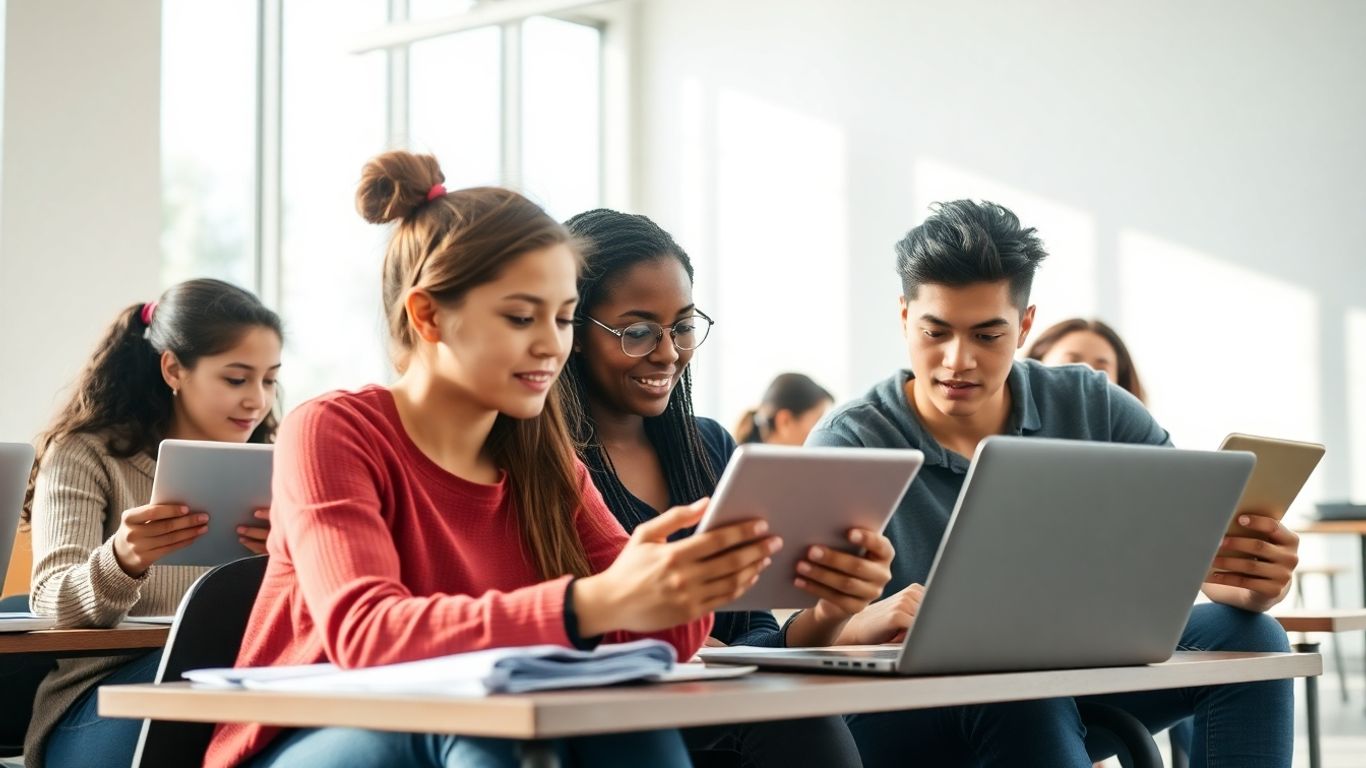
One of the most significant advantages of technology in education is its ability to provide students with instant access to a vast ocean of information. Gone are the days when learning was confined to dusty textbooks and the teacher’s lecture notes. Today, with just a few clicks, students can explore digital libraries, academic journals, and a wealth of online resources that go far beyond what a traditional classroom can offer. This immediate availability of information supports research, encourages independent learning, and allows students to delve deeper into subjects that pique their interest.
Think about it: a student studying ancient Rome isn’t limited to a chapter in a history book. They can virtually walk through the Colosseum, read primary source documents, and watch documentaries, all from their own device. This kind of access makes learning more dynamic and relevant.
Here’s how technology opens up this world of information:
- Digital Content Libraries: Access to e-books, scholarly articles, and multimedia clips makes complex concepts easier to grasp and remember. You can find these resources through various online platforms.
- Online Platforms and Systems: Learning Management Systems (LMS) act as central hubs where educators can share materials, and students can find digital textbooks, interactive modules, and assignments.
- Open Educational Resources (OER): These are free educational materials available online, including textbooks and lesson plans, which instructors can use to supplement their curriculum and provide students with more information sources. Check out repositories and platforms here.
The ability to quickly find and process information is a skill in itself. Technology helps students develop this skill, preparing them for a world where knowledge is constantly evolving and readily available. It’s about learning how to learn, and access is the first step.
This broad access also means that learning isn’t restricted to the school day. Students can continue their research or review materials at any time, fitting learning into their own schedules. This flexibility is a big win for modern education, making information access more convenient than ever before.
10. Encourages Problem-Solving Skills
Technology in education isn’t just about learning facts; it’s also a powerful tool for developing critical thinking and problem-solving abilities. When students use digital tools, they often encounter challenges that require them to think on their feet and find solutions. This could be anything from figuring out why a piece of code isn’t working, to troubleshooting a collaborative document that’s gone awry, or even researching different approaches to a complex project.
These experiences are incredibly valuable because they mirror the real-world situations professionals face daily. By working through digital hurdles, students build resilience and learn to approach problems systematically. They learn to break down complex issues into smaller, manageable parts, experiment with different solutions, and learn from both successes and failures.
Here’s how technology helps build these skills:
- Interactive Simulations: Students can experiment with scientific concepts or historical scenarios in a safe, virtual environment, learning to adjust variables and observe outcomes.
- Coding and Robotics: Learning to code or program a robot requires logical thinking, debugging, and iterative improvement – all core problem-solving skills.
- Research and Information Gathering: When faced with a question, students must learn to find reliable information, evaluate its credibility, and synthesize it to form an answer.
- Digital Design and Creation: Projects that involve creating presentations, videos, or digital art often require students to overcome technical or creative obstacles.
When technology is integrated thoughtfully, it moves beyond being a mere delivery system for information. It becomes a dynamic environment where students actively engage with challenges, develop strategies, and refine their ability to think critically and solve problems independently. This hands-on approach to overcoming obstacles is what truly prepares them for future academic and professional success.
Wrapping Up: Technology’s Role in Today’s Classroom
So, we’ve looked at how technology really changes things up in schools. It’s not just about having fancy gadgets; it’s about using them in smart ways to help students learn better and get ready for the world outside. From making lessons more interesting to helping everyone learn at their own pace, technology offers a lot. Teachers play a big part in making sure it all works, guiding students and choosing the right tools. When used thoughtfully, technology can really make a difference in how students learn and grow.
Frequently Asked Questions
How does technology make learning more interesting for students?
Technology can make learning more fun by using interactive tools like educational games, videos, and virtual reality. It also allows students to explore topics in new ways, like taking virtual field trips or creating digital projects, which can capture their attention better than traditional methods.
Can technology help students work together better?
Yes, technology offers many ways for students to team up. They can use online platforms to share ideas, work on projects together even when they’re not in the same room, and communicate easily. This helps them learn to share and build on each other’s thoughts.
Why is learning to use technology important for future jobs?
Most jobs today use technology in some way. By using computers, software, and online tools in school, students get comfortable with them. This means they’ll be ready to use the same kinds of tools when they start working, making them more valuable to employers.
How does technology help students who learn differently?
Technology can be adjusted to fit each student’s needs. For example, some tools can read text aloud for students who struggle with reading, or offer different ways to show what they know besides just writing. This helps everyone learn at their own pace and style.
Does using technology in class actually improve grades?
When used the right way, technology can help students understand subjects better and perform better on tests and assignments. It makes lessons more engaging and allows students to practice skills more effectively, which often leads to better academic results.
What if the technology doesn’t work during class?
It’s smart to have a backup plan! Teachers can prepare simple activities that don’t need technology, like group discussions or hands-on tasks. Knowing what to do if tech fails helps keep the learning going smoothly without causing too much disruption.

Peyman Khosravani is a seasoned expert in blockchain, digital transformation, and emerging technologies, with a strong focus on innovation in finance, business, and marketing. With a robust background in blockchain and decentralized finance (DeFi), Peyman has successfully guided global organizations in refining digital strategies and optimizing data-driven decision-making. His work emphasizes leveraging technology for societal impact, focusing on fairness, justice, and transparency. A passionate advocate for the transformative power of digital tools, Peyman’s expertise spans across helping startups and established businesses navigate digital landscapes, drive growth, and stay ahead of industry trends. His insights into analytics and communication empower companies to effectively connect with customers and harness data to fuel their success in an ever-evolving digital world.